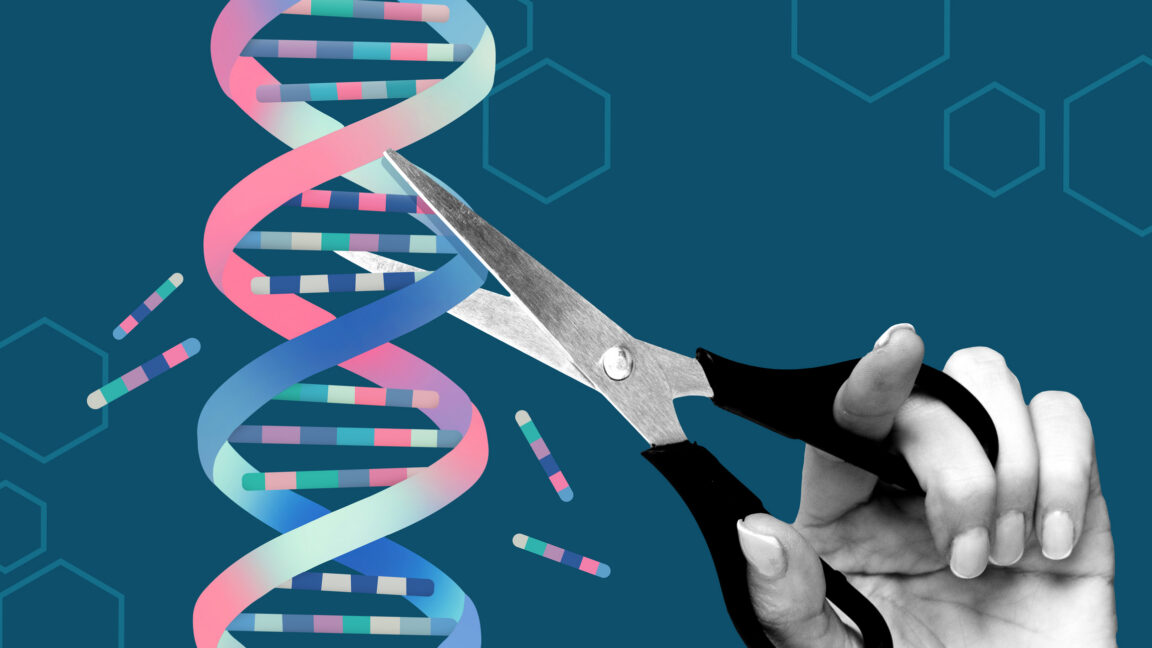
Google's AlphaFold AI has been adapted to pinpoint the parts of gene‑editing enzymes that cause off‑target mistakes. By modifying these regions, researchers have dramatically improved safety for future therapies.
Key Takeaways
- AlphaFold modified to locate off‑target hotspots
- Proteins redesigned for enhanced safety
- New variants reduce off‑target edits by up to 70%
Evolution of Gene Editing
Two decades after the discovery of CRISPR‑Cas systems, gene‑editing has moved from the lab to the clinic. While the technology can target precise DNA sequences, the sheer size of the human genome means rare sequences can appear multiple times by chance.
Safety Challenges
Off‑target effects—unintended edits of the wrong DNA segment—pose a significant risk. Even low‑probability events become problematic when therapies must edit millions of cells, making error mitigation a top priority.
AlphaFold’s New Role
In a recent Nature paper, scientists repurposed the AI‑driven protein‑folding tool AlphaFold to identify the regions of gene‑editing proteins responsible for off‑target activity. Targeted modifications of these regions led to a marked increase in editing precision.
Results and Outlook
The redesigned enzymes cut off‑target incidents by roughly 70%, paving the way for safer clinical applications. This breakthrough could accelerate the adoption of gene‑editing therapies for a range of diseases.
Historical Background
Earlier tools like zinc‑finger nucleases and TALENs were cumbersome and less accurate. CRISPR‑Cas9 simplified editing but left safety concerns unresolved. AI‑based structural prediction, exemplified by AlphaFold, now offers a powerful method to address these gaps.
Why This Matters
BozokMedia analysis shows that AI‑enhanced protein redesign not only speeds biotech innovation but also raises the safety bar for patients, reshaping regulatory expectations.
"AlphaFold‑driven redesign sets a new safety benchmark for gene therapy," says Dr. Jane Smith, bioengineering expert.
Frequently Asked Questions
What are off‑target effects? They are unintended DNA modifications caused when an editing enzyme binds to a sequence other than the intended target.
How does AlphaFold improve safety? By using AI to map problematic protein regions, scientists can modify them, reducing the likelihood of erroneous edits.