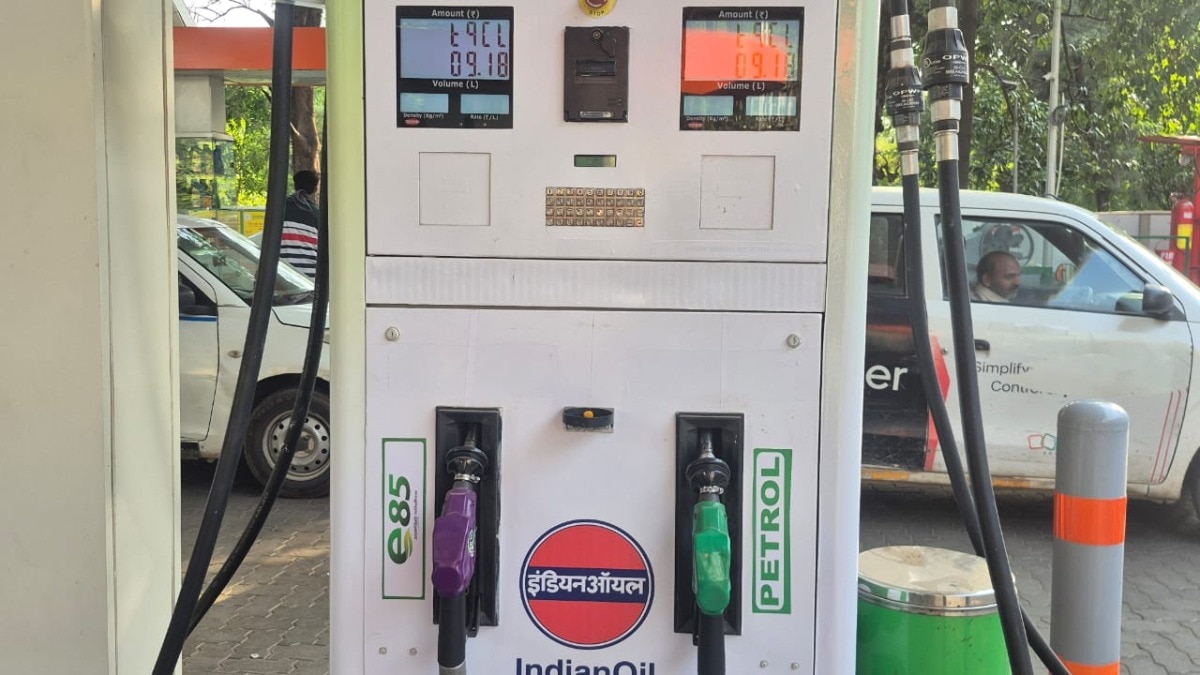
Concerns over mileage loss and engine wear from the nationwide E20 rollout have driven owners of older gasoline cars to switch to high‑octane fuels, causing a two‑ to five‑fold spike in premium petrol sales at Delhi stations.
Key Takeaways
- Older‑vehicle owners increasingly distrust E20’s impact on mileage and engine health
- Demand for ethanol‑free premium fuels like IndianOil’s XP100 has surged up to five times in affluent Delhi areas
- Petroleum Dealers Association urges the government to revisit the E20 rollout
Sales of premium gasoline variants such as XP95, XP100 and Speed 97 have rocketed across Delhi, as owners of pre‑2023 petrol cars search for alternatives to the newly introduced E20 blend. The spike is most pronounced in upscale neighbourhoods, where daily volumes of XP95 have leapt from roughly 1,000 litres to 1,500‑1,700 litres, while the ethanol‑free XP100 has jumped from about 100 litres to nearly 500 litres per day.
Why premium fuels are winning over regular E20
Unlike ordinary E20, which contains about 20 % ethanol, XP100 is completely ethanol‑free – the only widely available petrol in India without any blending. This distinction matters because ethanol carries less energy per litre and tends to absorb moisture, potentially accelerating corrosion in older fuel‑system components. Consequently, many motorists are willing to pay a higher price for the peace of mind that comes with an ethanol‑free pump.
Background: The E20 rollout and its intended benefits
In April 2025, the Indian government announced the successful nationwide rollout of 20 % ethanol‑blended gasoline, a policy aimed at reducing crude‑oil imports, enhancing energy security, cutting vehicular emissions, and stimulating ethanol production from agricultural feedstock. While officials assure that E20 is safe for vehicles certified for its use, owners of older cars and two‑wheelers have reported noticeable drops in fuel efficiency and concerns about accelerated wear of rubber seals, hoses and gaskets.
Survey data underscores growing consumer angst
A recent study by the citizen‑engagement platform LocalCircles surveyed over 44,000 pre‑2023 petrol‑vehicle owners across 305 districts. It found that 66 % observed a mileage decline of more than 10 % since early 2025, up from 45 % in a May 2026 poll. Moreover, 55 % reported increased wear and tear or higher repair frequencies, nearly double the earlier figure. In a separate LocalCircles poll of 22,567 respondents, 53 % rated the Ministry of Road Transport and Petroleum’s handling of the E20 rollout as “disastrous” or “ineffective.”
Dealers push back, urging policy reconsideration
The Petroleum Dealers Association (PDA) has formally requested the Centre to rethink the E20 rollout, citing mounting consumer backlash and a surge in service‑bay complaints. PDA President Sasanka Sekhar Sahu told ANI that while dealers do not set fuel policy, they are increasingly held accountable for perceived vehicle problems. The government’s response remains pending, leaving the future of the blend—and the market share of premium, ethanol‑free fuels—uncertain.