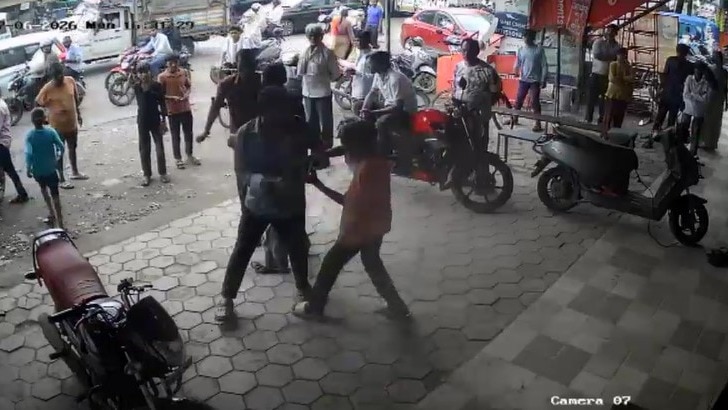
A driver’s decision to travel against traffic flow sparked a violent road‑rage incident in Indore, leaving a man assaulted. Surveillance footage captured every detail, raising fresh concerns over urban road safety.
Key Takeaways
- Wrong‑side driving ignited a violent confrontation in Indore
- CCTV footage documented the full sequence of the assault
- Authorities urge stricter traffic enforcement and public awareness
During the busy afternoon hours in Indore, a motorist deliberately entered a one‑way street from the opposite direction, violating local traffic regulations. The unexpected maneuver caused immediate alarm among nearby commuters, quickly escalating into a heated road‑rage episode.
Incident Chronology
As the vehicle advanced against the flow, a local resident stepping out of his home attempted to intervene and halt the offending car. A verbal exchange turned aggressive, culminating in a physical assault captured by a network of city‑wide CCTV cameras. The footage clearly shows the assailant’s actions, the victim’s attempts to defend himself, and the surrounding chaos.
Police Response
Indore police promptly reviewed the video evidence, identified the two individuals involved, and placed them under arrest. Officials emphasized that such violent outcomes stem from both disregard for traffic norms and a broader lack of civic awareness. To deter future incidents, the police announced plans to increase surveillance coverage and issue stern warnings to drivers who violate traffic rules.
Historical Context and Future Outlook
While minor confrontations over wrong‑side driving have occurred in Indore over the past few years, this case stands out for its escalation to physical violence. Security analysts point to inadequate road signage, limited driver education, and insufficient enforcement as key contributors. Looking ahead, they recommend a combination of technological monitoring and harsher penalties to reinforce compliance.
Societal Implications
Violent road‑rage incidents inflict not only physical injuries but also psychological trauma on victims and erode public confidence in the safety of urban spaces. If unchecked, such events could foster a climate of fear, discouraging citizens from using public roads and diminishing overall quality of life.