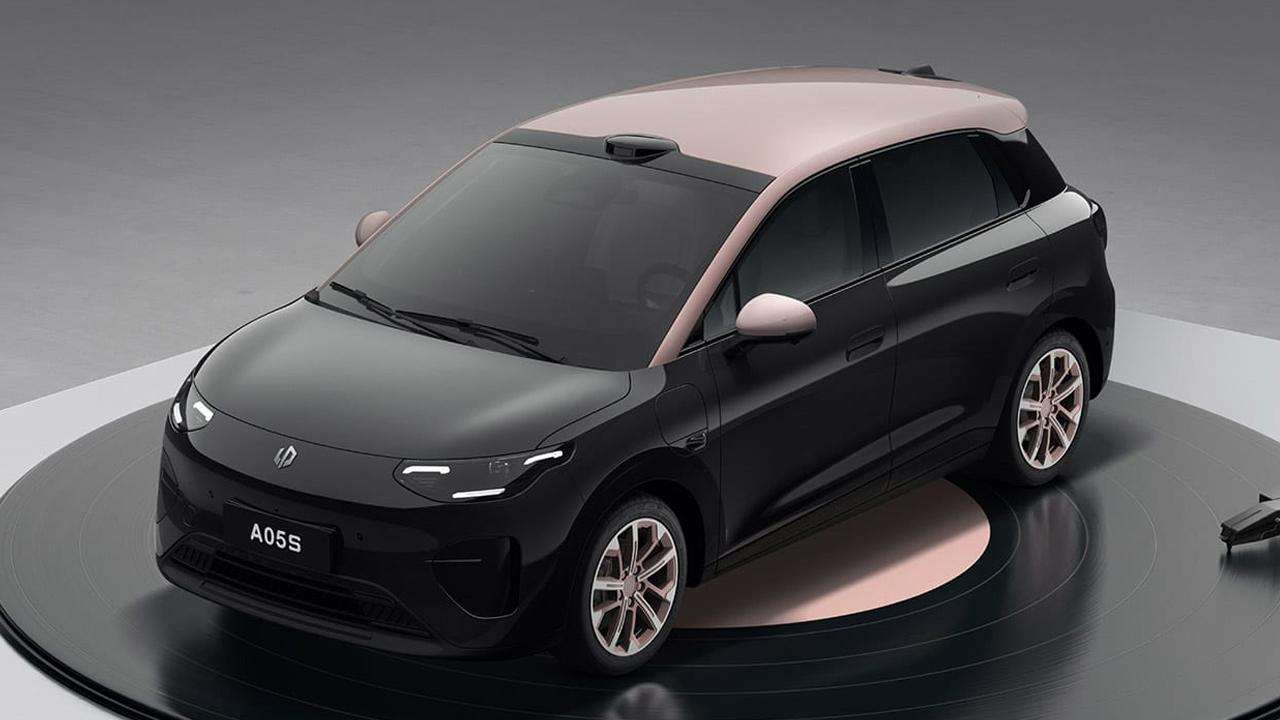
German automaker Volkswagen deepens its autonomous driving venture with Chinese AI chipmaker Horizon Robotics. The partnership aims to deliver safer, more affordable self-driving cars for the massive Chinese market.
Key Takeaways
- CARIZON and Horizon Robotics intensify joint self‑driving development.
- New hardware‑software integration will cut costs and boost safety.
- The alliance strengthens Volkswagen's competitive edge in China’s large market.
Volkswagen’s autonomous vehicle unit CARIZON has announced an expanded collaboration with China‑based AI chip specialist Horizon Robotics. The two firms will co‑develop a next‑generation software platform and advanced sensor suite, aiming to increase both the range and reliability of self‑driving cars over the next five years. This deeper partnership not only accelerates technological innovation but also reduces production costs, paving the way for broader adoption of autonomous vehicles.
While the original 2022 agreement focused on basic driver‑assist systems (ADAS), the 2024 phase targets Level‑3 and Level‑4 autonomy. Horizon Robotics will embed its high‑performance AI processors into CARIZON’s vehicle control algorithms, enabling real‑time data processing and superior decision‑making. The collaboration promises a 30% reduction in component costs, making autonomous cars more price‑competitive.
| Aspect | 2022 Partnership | 2024 Expansion |
|---|---|---|
| Technical Focus | Basic ADAS | Level‑3/Level‑4 Autonomy |
| Horizon Robotics Role | Sensor Fusion | AI Processor + Sensor Fusion |
| Cost Target | Moderate | 30% Cost Reduction |
Why This Matters (इसके मायने क्या हैं)
According to BozokMedia analysis, China’s autonomous‑vehicle market could exceed $50 billion by 2030. By deepening its tie‑up with a local AI leader, Volkswagen gains a technological edge that meets stringent Chinese safety regulations while keeping prices attractive for consumers. Ordinary drivers can look forward to safer, more affordable self‑driving taxis and private cars in the near future.
Economically, a 30% cost cut translates into lower retail prices and higher profit margins, enabling Volkswagen to scale production and introduce new models faster. This ripple effect may also influence neighboring markets such as India, where similar cost‑sensitive demand exists, thereby intensifying global competition in autonomous mobility.
"Integrating Horizon Robotics' AI chips with CARIZON's control stack will set a new benchmark for autonomous driving performance," says industry analyst Dr. Anil Mehta.
Frequently Asked Questions (अक्सर पूछे जाने वाले प्रश्न)
Q1: How will this partnership affect Volkswagen’s sales in China?
A: Lower production costs and advanced technology are expected to make Volkswagen’s autonomous models more appealing, potentially boosting sales.
Q2: Will the collaboration be extended to Europe?
A: The current focus is China, but successful outcomes could lead to similar implementations in Europe and other markets.