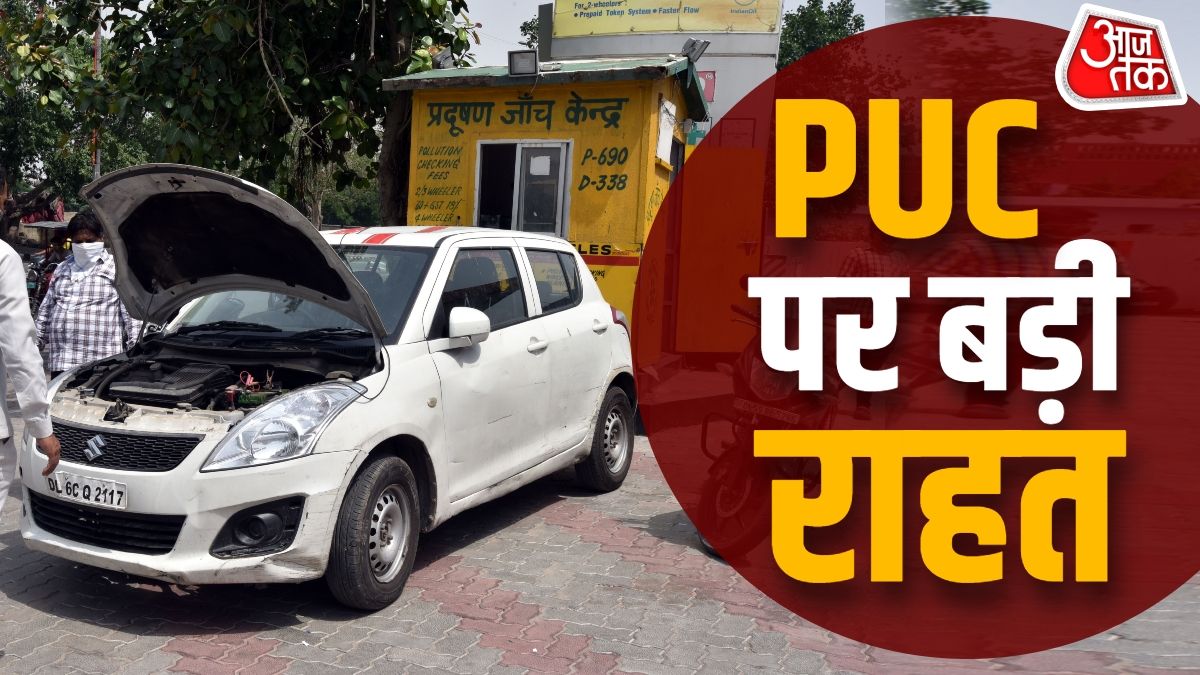
The Ministry of Road Transport and Highways has proposed extending the PUC certificate validity from 1 year to 3 years for BS-VI private vehicles up to 6 years old.
Key Takeaways
- Proposed 3-year PUC validity for BS-VI private vehicles.
- Applies to BS-VI vehicles up to 6 years of age.
- Strict rules remain for BS-IV and older emission standard vehicles.
- The proposal is currently in the draft stage by MoRTH.
In a significant move to ease the burden on vehicle owners, the Ministry of Road Transport and Highways (MoRTH) has released a draft notification proposing a major change in pollution norms. Under this proposal, the validity of the Pollution Under Control (PUC) certificate for BS-VI compliant private vehicles could be extended from the current 1 year to 3 years.
The decision is rooted in the advanced technology of BS-VI engines, which are designed to emit significantly lower levels of pollutants compared to older standards. For private vehicles that are up to 6 years old and meet BS-VI norms, this change would mean fewer trips to testing centers, saving both time and money.
Why This Matters
BozokMedia analysis shows that this regulatory shift acknowledges the technological leap in automotive engineering. By reducing the frequency of inspections for cleaner vehicles, the government is streamlining administrative processes while focusing enforcement resources on older, higher-polluting vehicles.
The transition to BS-VI has drastically reduced tailpipe emissions, making a longer validity period for PUC certificates both practical and environmentally sound.
Comparison of Proposed PUC Validity
It is important to note that this relaxation is not universal. The government intends to maintain strict oversight on older vehicles to ensure environmental compliance.
| Vehicle Standard (BS Norms) | Proposed PUC Validity |
|---|---|
| BS-VI (0-6 years old) | 3 Years |
| BS-VI (6-10 years old) | Regular intervals |
| BS-IV Vehicles | 6 Months |
| BS-I, II, III Vehicles | 3 Months |
Historical Background: The 'Bharat Stage' (BS) emission standards were introduced in India in the year 2000 (initially as India 2000) to regulate the amount of harmful substances like Carbon Monoxide (CO), Nitrogen Oxides (NOx), and Particulate Matter (PM) released by vehicles.
Frequently Asked Questions
1. Has this new rule been implemented yet?
No, it is currently a draft proposal. You must continue to follow existing rules until an official notification is released.
2. Will older BS-IV cars get the 3-year benefit?
No, BS-IV vehicles will still require renewal every 6 months to ensure they meet environmental safety standards.