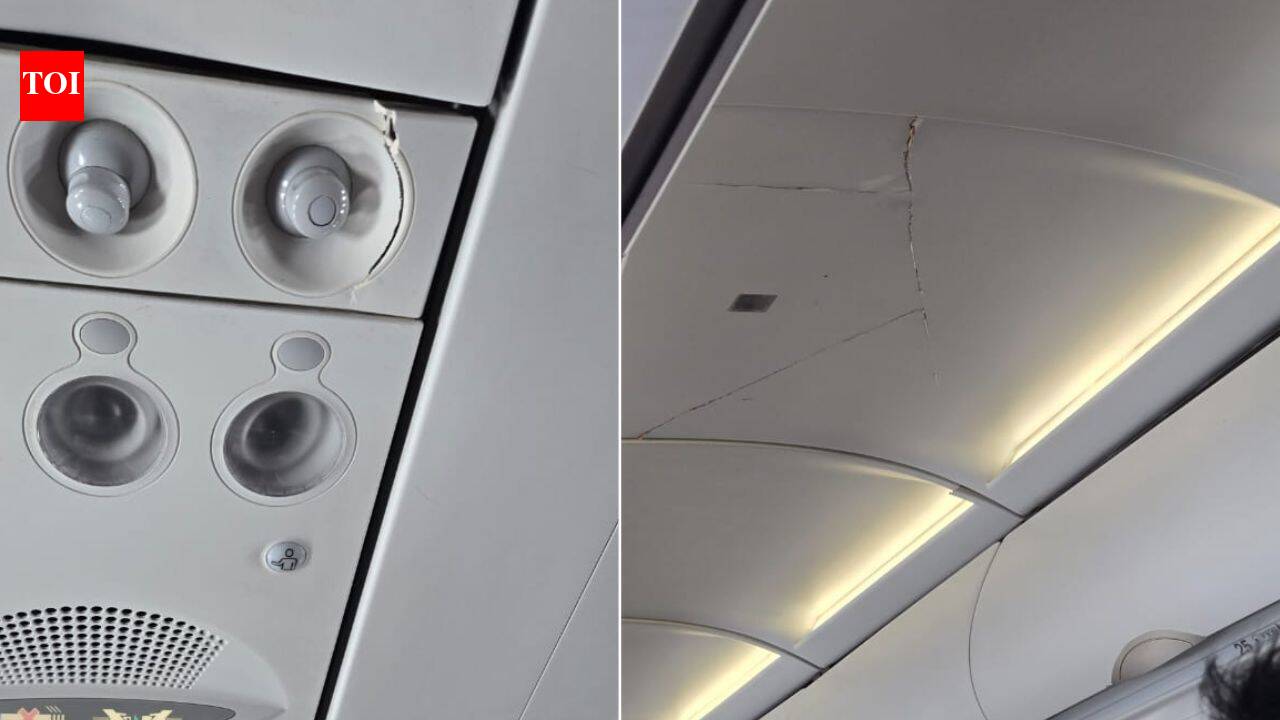
Air India flight AI 2379 from Phuket to Delhi encountered severe turbulence during descent, causing a sudden drop in altitude and injuring several passengers and crew members.
Key Takeaways
- Air India flight AI 2379 experienced severe turbulence during its descent to Delhi.
- A sudden drop in altitude caused injuries to approximately 10 passengers and 2 crew members.
- The injured were taken to the Medanta medical center at the airport for precautionary care.
- The Airbus A320 landed safely with all 134 passengers disembarked.
Passengers aboard Air India flight AI 2379, traveling from Phuket to Delhi, experienced a harrowing moment on Tuesday morning. The aircraft encountered intense turbulence during its descent, leading to a sudden and unexpected drop in altitude that left several people injured.
According to reports, out of the 134 passengers on board the Airbus A320, about 10 passengers and two crew members sustained injuries. Upon arrival at Delhi airport just after 11 am, the injured individuals were immediately transported to the Medanta medical center located at the airport for medical assessment and precautionary care.
Why This Matters
BozokMedia analysis shows that sudden altitude changes during descent are high-stress events for both passengers and flight crews. While turbulence is a common occurrence in aviation, the intensity of this specific event highlights the unpredictable nature of atmospheric conditions during the landing phase.
Aviation safety experts emphasize that while aircraft are engineered to withstand turbulence, sudden altitude shifts can lead to physical injuries if passengers are not securely seated.
An Air India spokesperson confirmed the incident, stating that the flight experienced a "brief in-flight turbulence-related event during cruise," which resulted in a momentary change in altitude. The airline emphasized that the safety and well-being of passengers remain their highest priority and that they are cooperating fully with authorities for a thorough investigation.
Historical Background
Turbulence has been a perennial challenge in the aviation industry. While modern aircraft like the Airbus A320 are built to endure significant structural stress, extreme weather patterns and rapid changes in air pressure continue to pose risks to passenger comfort and safety during critical phases of flight.
Frequently Asked Questions
Question 1: Was the Air India flight in danger of crashing?
Answer: No, the aircraft landed safely and the turbulence was described as a momentary event.
Question 2: Are there any serious injuries reported?
Answer: As of the latest updates, no serious injuries have been reported; the affected individuals received medical attention for minor injuries.