With the rise of sub-4-meter EVs in India, we analyze whether the high upfront cost of an electric vehicle is offset by fuel savings for a 30km daily commute.
Key Takeaways
- Tata Nexon EV offers the fastest return on investment (ROI).
- Higher daily mileage significantly accelerates the payback period.
- High upfront premiums in some models can delay savings for up to 6 years.
As the Indian automotive landscape shifts towards electrification, buyers are faced with a critical dilemma: Should they opt for a traditional petrol vehicle or invest more upfront in a small Electric Vehicle (EV)? From the Tata Tiago EV to the Mahindra XUV 3XO EV, the options are expanding rapidly.
The Financial Breakdown: Petrol vs. Electric
To determine the true cost-effectiveness, we compared the entry-level EV variants against their similarly equipped petrol counterparts. Using an assumed petrol price of ₹102 per litre in Delhi and a fuel efficiency of 12kmpl, we calculated the 'recovery period'—the time it takes for fuel savings to cover the extra cost of the EV.
| Model | Extra Paid for EV | Recovery at 30km/day |
|---|---|---|
| Tata Tiago | ₹2.29 Lakh | 2.5 Years |
| Tata Nexon | ₹2.10 Lakh | 2.3 Years |
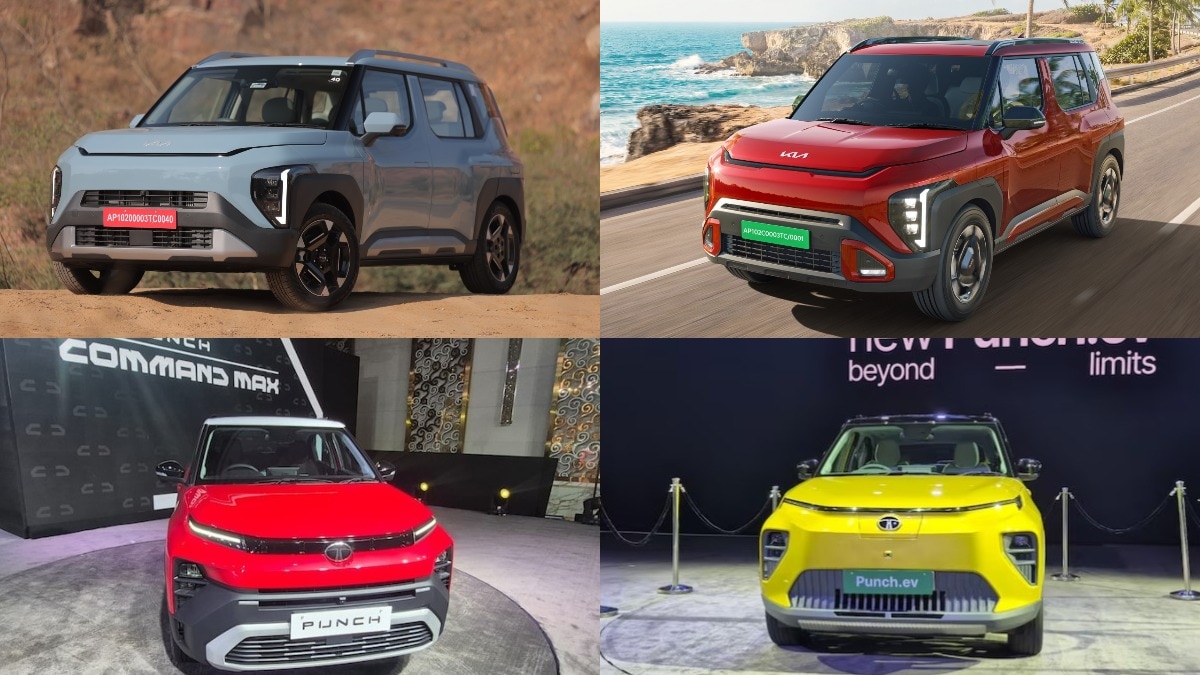
| Tata Punch | ₹4.00 Lakh | 4.3 Years |
| Kia Syros | ₹3.68 Lakh | 4.0 Years |
| Mahindra XUV 3XO | ₹3.59 Lakh | 3.9 Years |
Why This Matters: BozokMedia Analysis
BozokMedia analysis shows that the financial viability of an EV is highly sensitive to the specific model chosen. While the Tata Nexon EV is a clear winner for cost-conscious commuters, models like the Mahindra XUV 3XO EV require a much longer ownership cycle to justify the premium price tag.
The decision to go electric should be driven by your annual mileage and expected ownership duration, not just the sticker price.
Historical Background
The transition to EVs in India has been fueled by government subsidies and an increasing awareness of urban air quality. Initially limited to luxury segments, EVs have now penetrated the mass-market hatchback and compact SUV segments, making them accessible to the average commuter.
Frequently Asked Questions
1. Does an EV save money in the long run?
Yes, provided your daily driving distance is sufficient to offset the higher initial purchase price through fuel savings.
2. Which EV is best for low daily usage?
For low usage, a petrol car might be more economical due to the lower upfront cost and slower recovery of the EV premium.