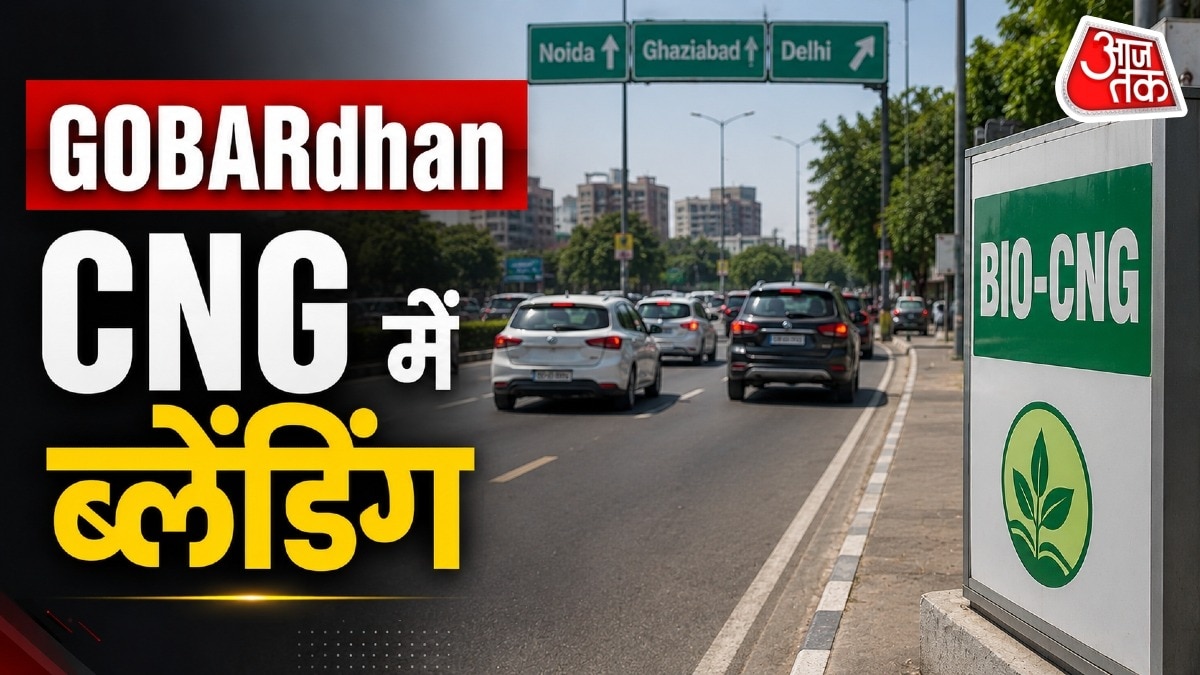
Under the new GOBARdhan scheme, Bio-CNG will be blended into regular CNG. Discover how this transition will impact your vehicle's engine, mileage, and maintenance.
Key Takeaways
- The Indian government has approved a ₹23,731 crore budget for the GOBARdhan scheme.
- Bio-CNG (Compressed Biogas) will be gradually blended into the existing CNG supply.
- The blending target is set at 3% for FY 2026-27, increasing annually.
- No hardware or engine modifications are required for existing CNG vehicles.
In a major move toward energy independence, the Union Cabinet has approved the 'National Circular Bio-Energy Scheme – GOBARdhan'. With a massive budget allocation of ₹23,731 crore, this scheme aims to revolutionize the fuel landscape by producing Compressed Biogas (CBG) from agricultural residues, cattle dung, and municipal organic waste. This CBG will then be blended into the existing CNG and PNG networks.
Bio-CNG vs. Regular CNG: The Difference
While regular CNG is extracted from natural gas wells, Bio-CNG is produced through the decomposition of organic matter. Despite the different origins, their chemical structures are remarkably similar. This similarity is crucial as it allows Bio-CNG to be distributed through existing pipelines and gas stations without requiring a massive overhaul of the current infrastructure.
Why This Matters
BozokMedia analysis shows that this strategic shift will significantly reduce India's heavy reliance on imported fossil fuels while simultaneously solving the massive problem of agricultural and municipal waste management. By scaling up CBG production tenfold by 2036, the government is creating a circular economy that benefits both the environment and rural farmers.
The integration of Bio-CNG is designed to be seamless, ensuring that the transition from natural gas to blended gas remains invisible to the end consumer.
Mandatory Blending Roadmap
The government has outlined a phased approach to increase the share of Bio-CNG in the gas distribution network:
| Financial Year | Mandatory Bio-CNG Blending (%) |
|---|---|
| FY 2026-27 | 3% |
| FY 2027-28 | 4% |
| FY 2028-29 | 5% |
Will Your Car Need Modifications?
The primary concern for millions of CNG vehicle owners is whether this will lead to increased maintenance or engine damage. The short answer is No. Since Bio-CNG is chemically compatible with standard CNG, there is no need for any hardware changes, engine modifications, or specialized parts. Drivers can expect the same refueling experience at existing stations.
Frequently Asked Questions
1. Will Bio-CNG damage my car's engine?
No, because its chemical composition is highly similar to regular CNG, making it safe for current engines.
2. Do I need to visit new types of fuel stations?
No, Bio-CNG will be supplied through the existing CNG and PNG distribution networks.