Anxiety over mileage drops and maintenance costs linked to E20 ethanol-blended petrol is driving Indian car buyers toward EV and CNG alternatives, leading to unprecedented waiting periods for popular models.
- Rising concerns over engine durability and mileage due to E20 ethanol-blended fuel.
- Over 30% increase in inquiries and bookings for EV and CNG vehicles.
- Waiting periods for models like Mahindra XEV 9S have extended up to 6 months.
- Budget-friendly EV variants are facing the highest supply pressure.
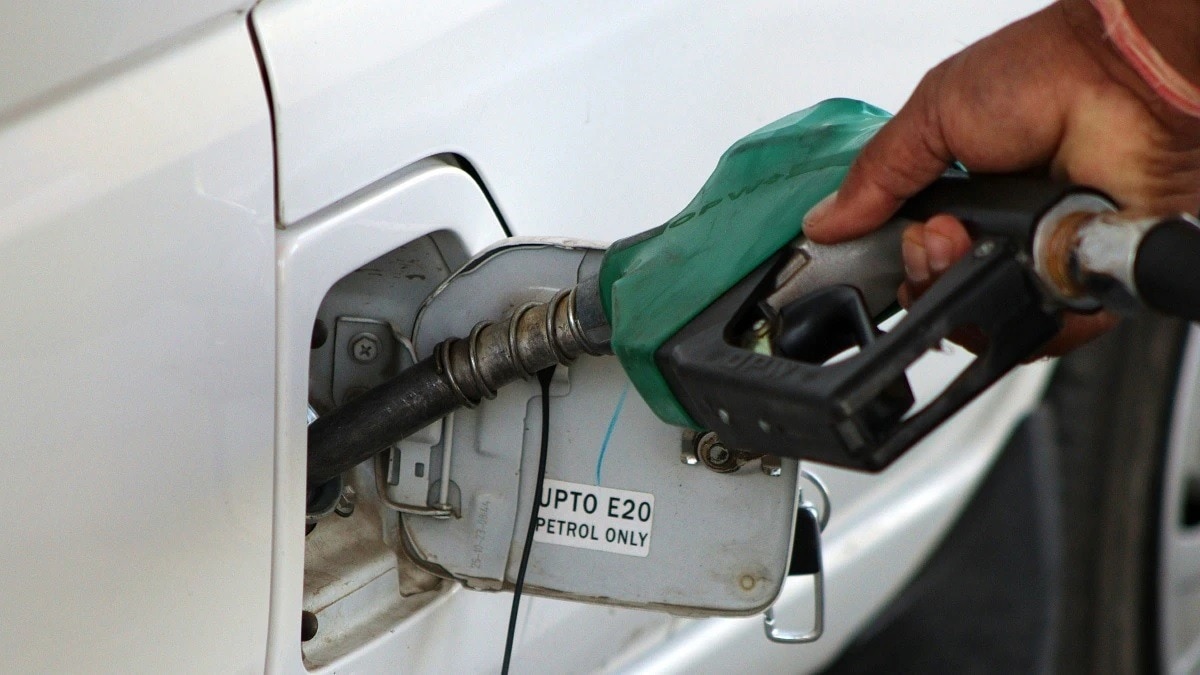
The Indian automotive landscape is witnessing a significant paradigm shift. The introduction of E20 ethanol-blended petrol, while aimed at reducing carbon emissions and import dependency, has triggered widespread apprehension among vehicle owners. Reports of decreased fuel efficiency and increased maintenance costs have created a ripple effect, altering the purchasing behavior of the average Indian consumer.
Driven by these concerns, there is a visible migration from traditional Internal Combustion Engines (ICE) toward Compressed Natural Gas (CNG) and Electric Vehicles (EVs). This sudden pivot has put immense pressure on manufacturers' supply chains. Waiting periods that were previously capped at one month have now spiraled to three or six months for several high-demand models.
Why This Matters
BozokMedia analysis shows that this trend indicates a deeper psychological shift in the market. Consumers are no longer just looking for a mode of transport; they are seeking 'future-proof' assets. The surge in demand for affordable EV variants suggests that the middle-class consumer is ready for the transition, provided the price point is accessible. This puts the onus on OEMs to scale up production rapidly to avoid losing market share to competitors.
"The transition to green energy is accelerating not just because of subsidies, but because of a perceived risk associated with the longevity of traditional engines in the E20 era."
Specific data reveals that the Mahindra XEV 9S is currently seeing a waiting period of approximately six months. Similarly, certain variants of the Tata Punch EV and Tata Tiago EV have delivery timelines ranging from 18 to 24 weeks. Even in the hybrid/CNG space, the Maruti Brezza has seen 70% of its bookings concentrated in the CNG and Turbo-petrol segments.
| Vehicle Model | Estimated Waiting Period | Primary Driver |
|---|---|---|
| Mahindra XEV 9S | 6 Months | High Market Hype |
| Tata Punch EV | 18-24 Weeks | Affordable Pricing |
| Maruti Brezza (CNG) | 2 Months | Fuel Economy |
| TVS iQube | 4-5 Months | EV Scooter Trend |
This surge coincides with the onset of the festive season. With Onam, Ganesh Chaturthi, Navratri, and Diwali approaching, vehicle sales typically peak. In Kerala, passenger vehicle sales grew by over 20% during Onam, suggesting that the demand for non-petrol vehicles will likely intensify further in the coming quarter.
Frequently Asked Questions
Q1: How does E20 petrol affect older vehicle engines?
Ethanol is corrosive to certain rubbers and plastics; hence, older engines not designed for E20 may face part failures or reduced fuel efficiency.
Q2: Which vehicles currently have the longest waiting periods?
The Mahindra XEV 9S and entry-level Tata EV variants are currently experiencing the longest delays in delivery.