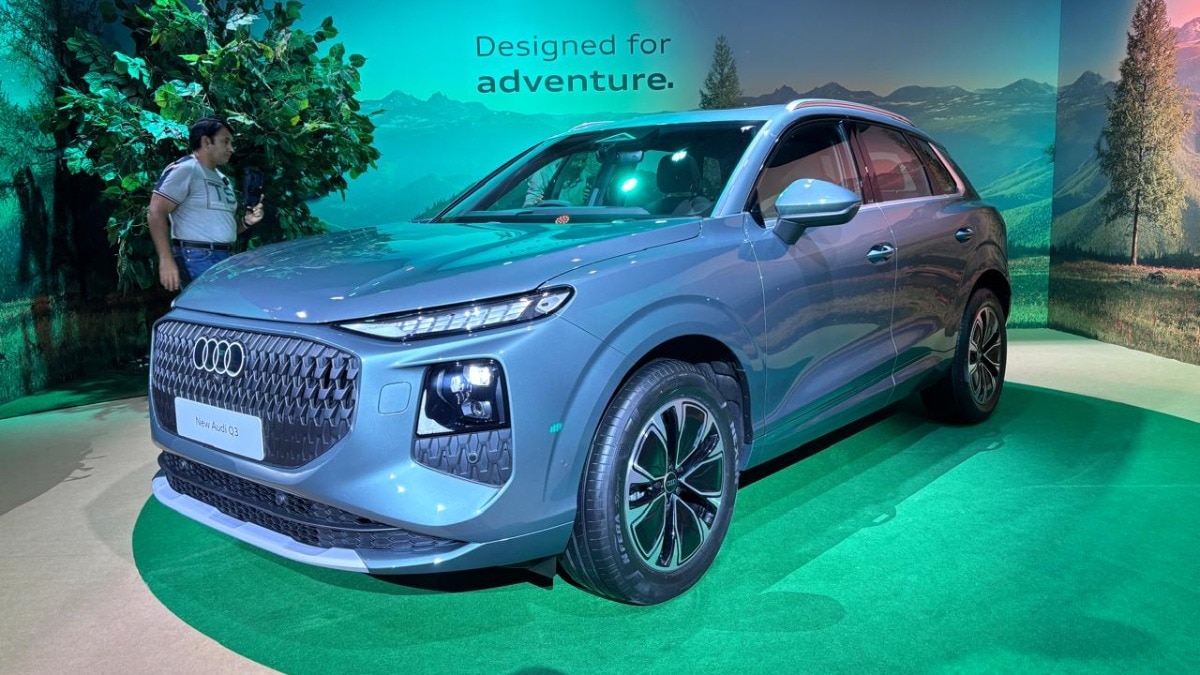
Range anxiety is becoming a thing of the past as new electric vehicles promise massive distances on a single charge. From luxury Mercedes-Benz models to affordable Tata and Mahindra EVs, the landscape of mobility is shifting.
- Mercedes-Benz EQS leads the pack with an incredible 857 km range.
- Mahindra BE 6 and Tata Sierra EV offer excellent balance for the mass market.
- Ultra-fast charging can now replenish up to 80% of the battery in under 30 minutes.
The biggest hurdle for potential Electric Vehicle (EV) buyers has always been 'range anxiety'—the fear that the battery will run out before reaching the destination. Whether it is a city commute or a long trip from Delhi to Varanasi, consumers have questioned the reliability of EVs. However, recent breakthroughs in battery technology are changing this narrative.
The market is now seeing a diverse range of EVs, from ultra-luxury segments to mass-market offerings, all boasting impressive single-charge ranges. The Mercedes-Benz EQS stands out as the undisputed leader, offering a massive 857 km range thanks to its 107.8 kWh battery pack.
Comparative Analysis of Top Range EVs
| Model | Battery Capacity (kWh) | Max Range (KM) | Estimated Price |
|---|---|---|---|
| Mercedes-Benz EQS | 107.8 | 857 | ₹1.30 Crore |
| Mercedes-Benz CLA | 85.5 | 792 | - |
| Mahindra BE 6 | 79 | 683 | ₹19.45 Lakh |
| Tesla Model Y | 82 | 681 | ₹50.89 Lakh |
| Tata Sierra EV | 75 | 665 | ₹18.79 Lakh |
In the mid-range segment, the Mahindra BE 6 is making significant waves. Available with two battery pack options (59-79 kWh), it delivers a range between 548 km and 683 km. Similarly, the Tata Sierra EV provides a compelling option for the Indian consumer, offering up to 665 km of range with its 63-75 kWh battery setup.
Why This Matters
BozokMedia analysis shows that as battery energy density increases, the economic viability of EVs improves. The narrowing gap between charging times and traditional refueling times is the key driver that will eventually displace internal combustion engines (ICE) globally.
The evolution of fast-charging infrastructure combined with high-capacity batteries will make EVs the primary choice for all segments of transport.
Charging speed is another critical factor. While Tesla Model Y boasts a rapid charging capability that can significantly boost battery levels in just 15 minutes, other manufacturers like Mercedes and Tata are catching up with 80% charge capabilities in approximately 25-30 minutes.
Historical Background
A decade ago, electric mobility was limited to short-distance urban use due to batteries that could only manage 150-200 km. The transition to high-capacity Lithium-ion and the research into Solid-State batteries have fundamentally redefined what an EV can achieve.
Frequently Asked Questions
1. Which EV has the longest range currently?
The Mercedes-Benz EQS currently holds the record with a range of 857 km on a single charge.
2. How long does it take to charge these cars?
Depending on the model and charger, it can take anywhere from 15 minutes (Tesla) to 31 minutes (Mercedes) to reach 80% capacity.