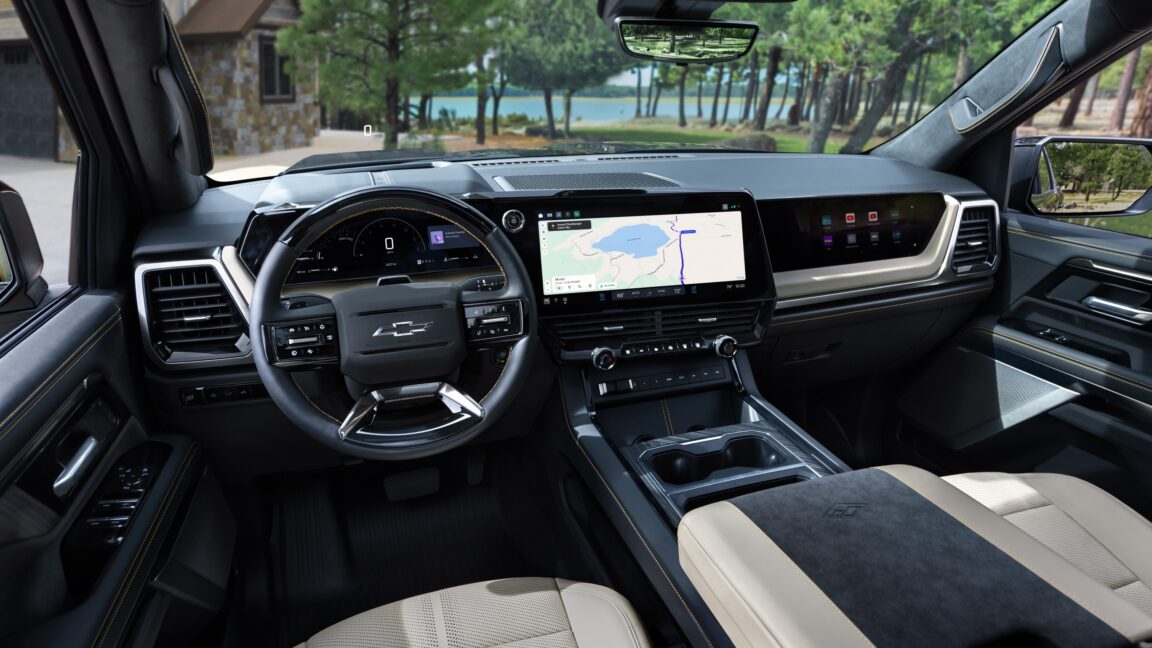
While electric vehicle sales continue to climb globally, a critical shortage in charging infrastructure is emerging. A new report from ChargePoint warns that supply cannot keep up with the rapid growth of EVs.
- EV sales remain robust with over 1.8 million units sold this year.
- Charging infrastructure is failing to keep pace with vehicle adoption rates.
- Used EV demand is rising, with a 96% retention rate among owners.
Despite shifts in market sentiment, the transition toward battery-electric vehicles (BEVs) remains an unstoppable momentum. Analysts report that more than 1.8 million EVs were sold between the beginning of this year and the end of August. In the United States, escalating fuel prices have acted as a catalyst, driving consumers who were previously skeptical toward electric mobility.
However, a significant bottleneck has been identified. According to a recent report from ChargePoint, the development of charging infrastructure is lagging dangerously behind the rate of vehicle sales. This gap between the number of EVs on the road and the availability of plugs poses a structural risk to the industry.
Why This Matters
BozokMedia analysis shows that the mismatch between vehicle supply and charging availability could trigger widespread 'range anxiety,' potentially stalling the mass adoption of EVs. For the transition to be successful, the infrastructure must evolve from a luxury service to a ubiquitous utility.
"The North American market has been better shaped than a lot of the press reports suggest; the demand for charging solutions hasn't slowed down," stated ChargePoint CEO Rick Wilmer.
Rick Wilmer, CEO of ChargePoint, emphasized that the market's appetite is stronger than perceived. He noted that the demand for Request for Proposals (RFPs) for charging solutions is growing quarter-over-quarter. Furthermore, the secondary market is heating up; used EV prices are rising because demand is high, and the EV retention rate stands at a staggering 96%.
Historical Background
For years, the primary criticism against EVs was the lack of widespread charging options. While early adopters were willing to navigate this challenge, the move toward mass-market adoption requires a seamless, reliable, and ubiquitous charging network similar to the existing petrol station model.
Frequently Asked Questions
1. Why is there a shortage of EV chargers?
The rapid adoption of electric vehicles is currently outperforming the speed at which infrastructure companies can install and deploy new charging stations.
2. Are fuel prices affecting EV demand?
Yes, rising gasoline prices in regions like the US are making the long-term cost savings of EVs more attractive to consumers.