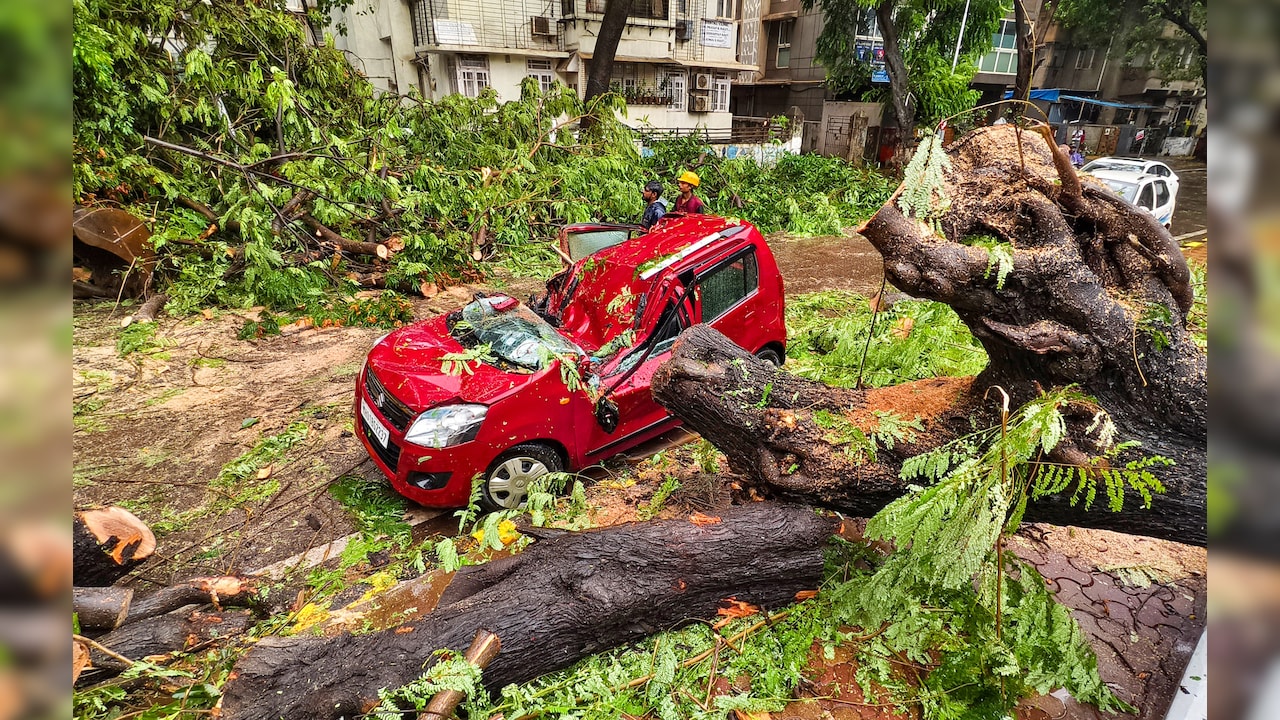
Learn the critical differences between insurance policies during monsoon and the essential steps to secure your claim after vehicle damage.
Key Takeaways
- Only Comprehensive Insurance covers damage caused by floods and heavy rain.
- Never attempt to restart an engine that has been submerged in water.
- Document the damage immediately with photos and videos before contacting your insurer.
As the monsoon season intensifies across many regions, vehicle owners face the growing risk of waterlogging and heavy rainfall damage. A common question arises during these storms: Will my insurance company pay for the repairs if my car gets submerged or damaged by rain? The answer depends entirely on the type of policy you hold.
Comprehensive vs. Third-Party Insurance
According to insurance experts, if you are only covered under a Third-Party Insurance policy, you will not receive any compensation for damage to your own vehicle caused by natural calamities. Third-party insurance is designed to cover liabilities towards others. However, a Comprehensive Insurance policy is specifically designed to protect your vehicle against natural disasters, including floods, storms, and landslides.
| Feature | Third-Party Insurance | Comprehensive Insurance |
|---|---|---|
| Natural Calamities (Flood/Storm) | Not Covered | Covered |
| Own Vehicle Damage | Not Covered | Covered |
| Premium Cost | Lower | Higher |
Attempting to restart an engine after water ingress can lead to catastrophic mechanical failure, often voiding your insurance claim.
Why This Matters (इसके मायने क्या हैं)
BozokMedia analysis shows that the surge in urban flooding significantly impacts the auto-insurance sector, leading to a spike in high-value claims. For the average consumer, understanding this distinction is the difference between a manageable repair cost and a total financial loss.
Furthermore, the way a claim is handled in the first hour of the incident is crucial. Improper handling, such as trying to drive through deep water or failing to document the scene, can provide insurers with grounds to deny the claim based on negligence or failure to mitigate loss.
Historical Background
Historically, the insurance industry has categorized extreme weather events under 'Acts of God' or Force Majeure. With the increasing frequency of urban flooding due to inadequate drainage infrastructure, the demand for specialized add-on covers, such as 'Engine Protect,' has seen a massive rise in the automotive insurance market over the last decade.
Frequently Asked Questions (अक्सर पूछे जाने वाले प्रश्न)
Q1: Will my insurance cover engine damage due to water entry?
A: It is covered under a Comprehensive policy, but it is highly recommended to have an 'Engine Protect' add-on for better coverage.
Q2: What should I do immediately after my car is damaged by rain?
A: Do not restart the engine. Take clear photos/videos of the damage and notify your insurance provider immediately.


