A recent study indicates that BS-III standard vehicles may face component degradation when using E20 ethanol-blended fuel, potentially requiring the replacement of critical rubber parts.
Key Takeaways
- BS-III vehicles may face rubber part degradation due to E20 fuel.
- Ethanol blends require specific material compatibility in older engines.
- Government is pushing for higher ethanol blending to reduce emissions.
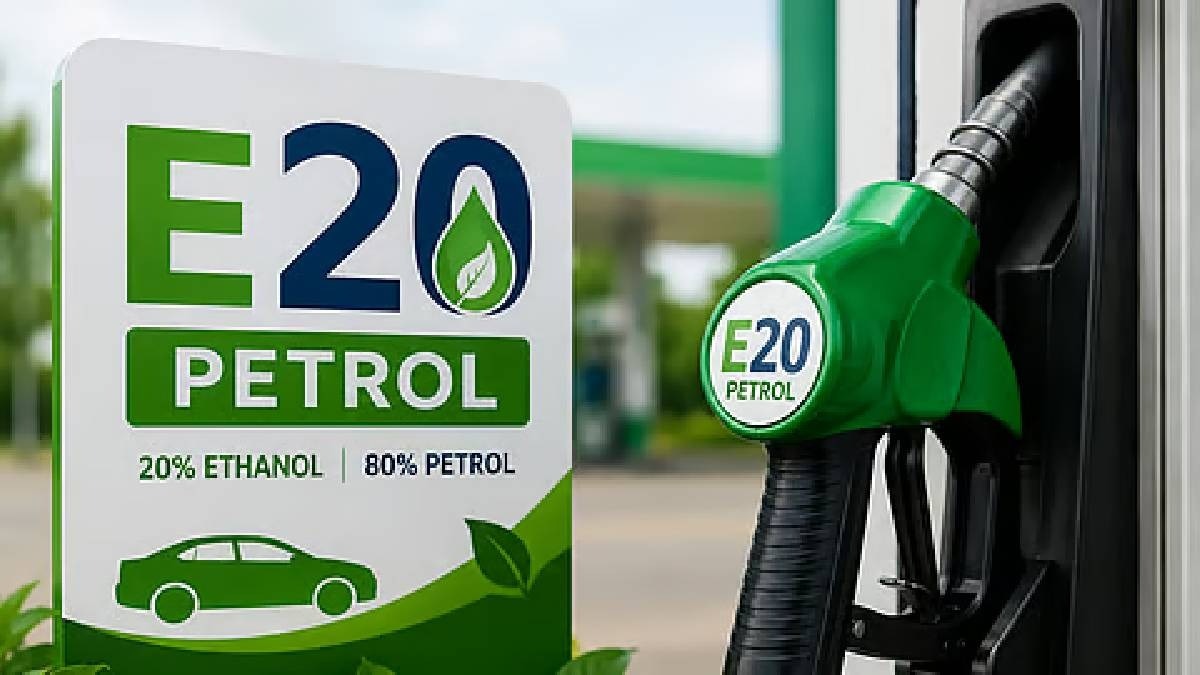
As India transitions towards more sustainable energy solutions, a significant technical challenge has emerged for owners of older vehicles. Recent studies and government signals suggest that vehicles manufactured under the BS-III emission standards may require specific modifications—most notably the replacement of rubber parts and seals—to safely operate on E20 fuel (a blend of 20% ethanol and 80% petrol).
The Impact of Ethanol Blending
The introduction of E20 fuel is a cornerstone of India's strategy to reduce carbon footprints and oil imports. However, ethanol is more corrosive to certain materials than pure gasoline. According to insights shared by Union Minister Nitin Gadkari, vehicles produced before 2016 might need minor technical adjustments. The primary concern lies in the fuel lines, gaskets, and hoses made of rubber, which may degrade rapidly when exposed to higher ethanol concentrations.
Why This Matters
BozokMedia analysis shows that while the shift to flex-fuel and high-blend ethanol is a massive win for environmental sustainability, it creates a compatibility gap for the existing legacy vehicle fleet. For millions of commuters driving older BS-III or BS-IV vehicles, this could mean unexpected maintenance costs or potential fuel leakage issues if not addressed proactively.
The transition to E20 is inevitable, but ensuring material compatibility in older engine architectures is critical to preventing widespread mechanical failures.
Historical Background
The Indian government has been aggressively promoting the Ethanol Blending Program (EBP) to support farmers and decrease crude oil dependency. While newer BS-VI vehicles are engineered to handle these blends seamlessly, the older generation of vehicles was designed for much lower ethanol tolerances.
Frequently Asked Questions
1. How can I know if my vehicle is E20 compatible?
Check your vehicle manual or consult an authorized service center; generally, vehicles made after 2016/2018 are better equipped.
2. What happens if I use E20 in an incompatible vehicle?
It can lead to the degradation of fuel system components, causing leaks and engine performance issues.