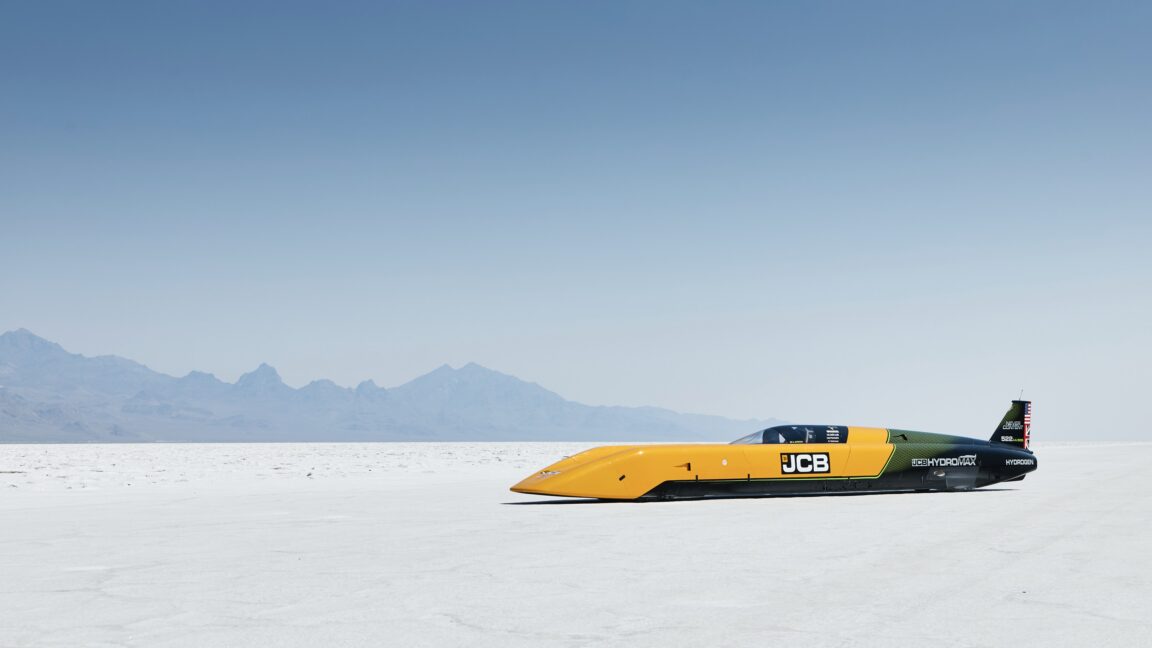
The JCB Hydromax has shattered expectations by setting a new land speed record for hydrogen-powered vehicles at the Bonneville Salt Flats. This milestone marks a massive leap in hydrogen combustion technology.
Key Takeaways
- JCB Hydromax established a new record for hydrogen-powered vehicles.
- The feat took place at the iconic Bonneville Salt Flats in Utah.
- JCB pivoted from expensive fuel cells to robust hydrogen combustion engines.
After a long period of stagnation in land speed records following the era of the Bloodhound project, the automotive world has witnessed a historic moment. On the vast, white expanse of the Bonneville Salt Flats in Utah, the JCB Hydromax has officially set a new speed record for hydrogen-powered vehicles, challenging the long-standing dominance of traditional fuel types.
The Shift from Diesel to Hydrogen
As a leading UK-based manufacturer of heavy industrial equipment, JCB faces immense pressure to meet strict carbon emission targets. While many competitors have turned exclusively to battery electric technology, JCB identified a critical gap. After testing hydrogen fuel cells, the company realized they were too costly and fragile for the rugged demands of construction sites and farming. Consequently, in 2020, they pivoted to developing their own hydrogen combustion engine.
Why This Matters
BozokMedia analysis shows that this breakthrough is a pivotal moment for heavy industry. While batteries work for passenger cars, the energy density required for massive diggers and loaders makes hydrogen combustion a more viable long-term solution for decarbonizing heavy machinery.
The success of the Hydromax proves that hydrogen combustion is a rugged, scalable alternative to traditional diesel.
This isn't the first attempt at hydrogen propulsion. BMW experimented with a V12 engine in 2006, and Toyota has recently been testing hydrogen-burning Corollas in endurance races. However, JCB's integration of this technology into a high-performance record-breaking context sets a new standard for industrial reliability.
| Feature | Hydrogen Fuel Cell | Hydrogen Combustion (JCB) |
|---|---|---|
| Durability | Fragile/Sensitive | High/Rugged |
| Cost | Very High | Moderate/Scalable |
| Application | Light Vehicles | Heavy Machinery/Industrial |
Frequently Asked Questions
1. Why didn't JCB use hydrogen fuel cells?
JCB found fuel cells to be too expensive and too delicate for the harsh environments of construction and agriculture.
2. Is this the fastest vehicle ever?
While the Thrust SSC still holds the overall wheeled land speed record, the Hydromax has set a new benchmark for hydrogen-powered machines.