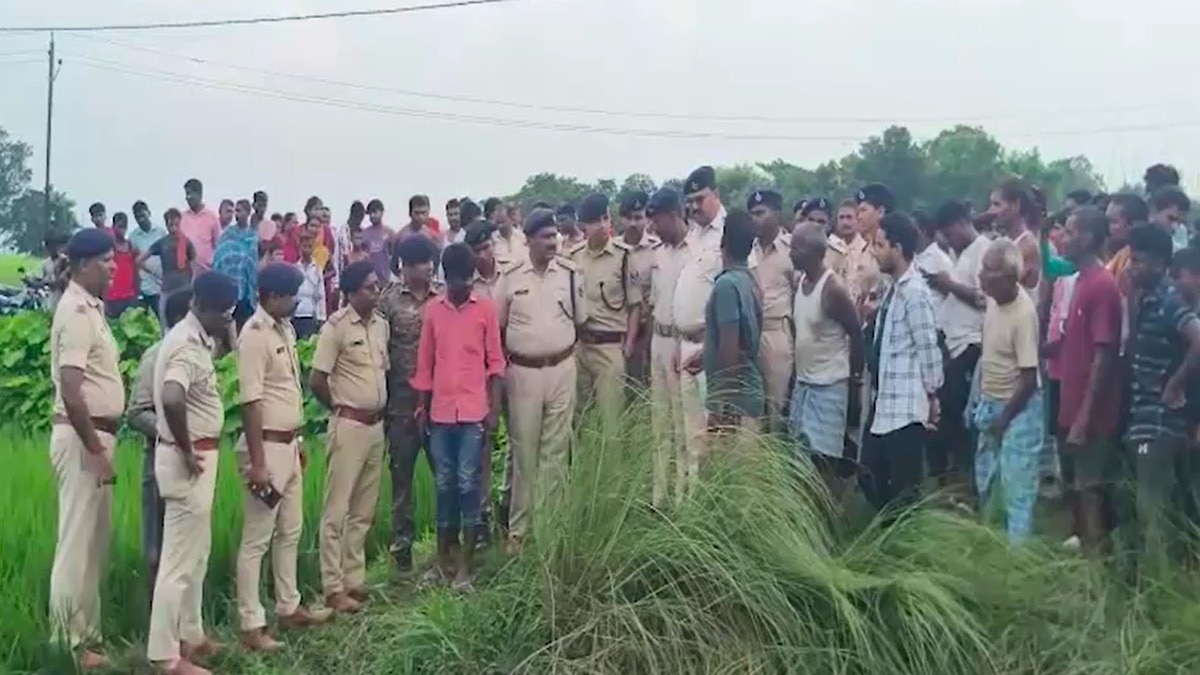
Following devastating flash floods in Nepal, unusual and massive fish have been spotted in Bihar's rivers. The state government has issued an urgent advisory against consuming or selling these unfamiliar species due to high contamination risks.
- Unusual, large-sized fish have been reported in East/West Champaran, Gopalganj, Bagaha, and Saran.
- High risk of contamination from sewage, dead animals, and pathogens due to Nepal's flash floods.
- Authorities warn against catching, buying, or selling any 'unfamiliar' fish species.
In the aftermath of catastrophic flash floods in Nepal, the state of Bihar is facing a potential biological health crisis. The Dairy, Fisheries and Animal Resources Department of Bihar issued a comprehensive public advisory on Tuesday, cautioning citizens against the consumption of “unfamiliar and unusual” fish caught from the swelling rivers flowing from Nepal.
Residents in border districts including East and West Champaran, Gopalganj, Bagaha, and Saran have reported catching massive, strange-looking fish. Alarmingly, some locals have already reported falling ill after inadvertently consuming these species. Fishermen have also reported sighting decomposing animal and human carcasses being carried by the powerful currents in the floodwaters.
Why This Matters
BozokMedia analysis shows that the sudden influx of floodwaters from Nepal has drastically altered the river ecosystems of the Gandak (Narayani), Ganga, and Kosi rivers. As these rivers touch danger marks, they carry massive amounts of organic and inorganic waste. Bihar Fisheries Minister Nand Kishor Ram emphasized that these fish may have come into direct contact with sewage and dead carcasses, significantly increasing the risk of bacterial and viral pathogens.
The intersection of extreme weather events and contaminated water supplies creates a high-risk environment for waterborne diseases through the food chain.
Local fishermen, such as Chhatu Sahani and Vinod Nishad, have noted that the catch includes unusually large specimens weighing between 27kg to 45kg. Species like Barali (Wallago catfish) and Goita (Goonch catfish) have been identified as part of this unusual influx, appearing in quantities rarely seen in normal river currents.
Historical Background
The transboundary river systems between Nepal and India, particularly the Gandak and Kosi, are prone to seasonal flooding. Historically, these floods bring nutrient-rich silt, but recent climate volatility has increased the frequency of 'flash floods' which carry much higher levels of debris and contaminants from upstream settlements and forest areas.
Symptom Monitoring and Safety
| Reported Symptoms | Recommended Action |
|---|---|
| Vomiting & Severe Diarrhea | Immediate rehydration and medical consultation |
| Dizziness & Vertigo | Seek neurological evaluation at a health center |
| Difficulty in Breathing | Emergency medical intervention required |
Frequently Asked Questions (FAQ)
1. How can I identify a 'safe' fish?
Only consume fish that are common to your local area and have been verified by local fisheries officials or the administration.
2. What should I do if I see unusual fish being sold?
Contact your local district fisheries official or local administration immediately to prevent public health risks.