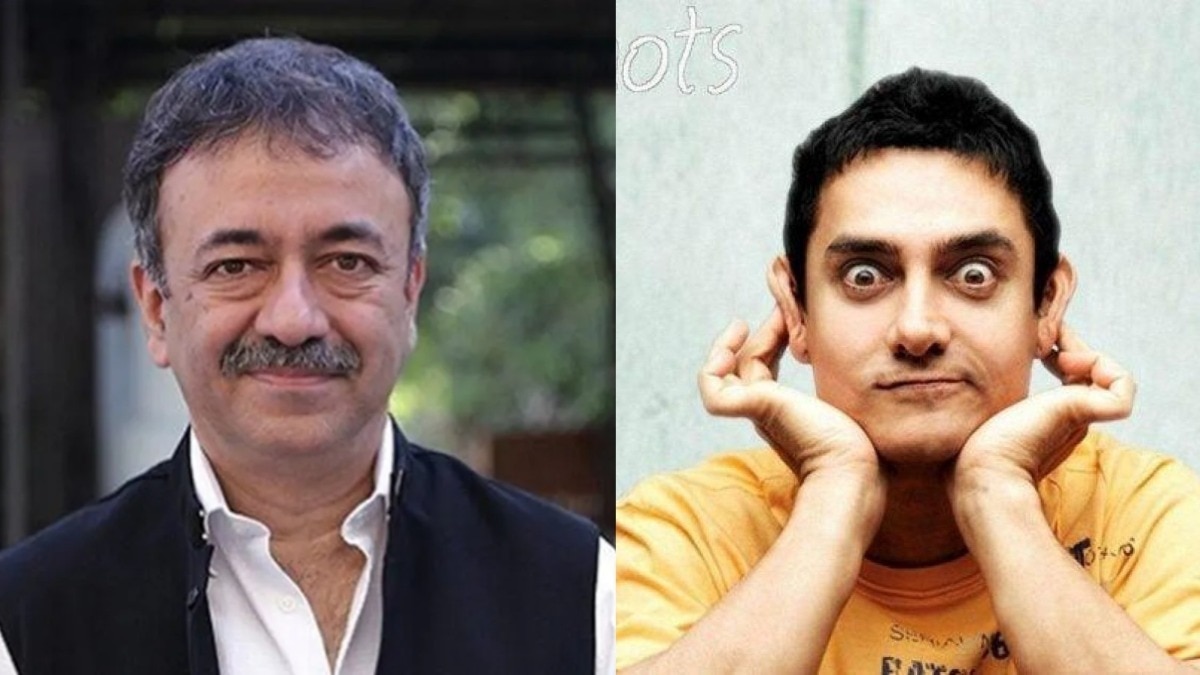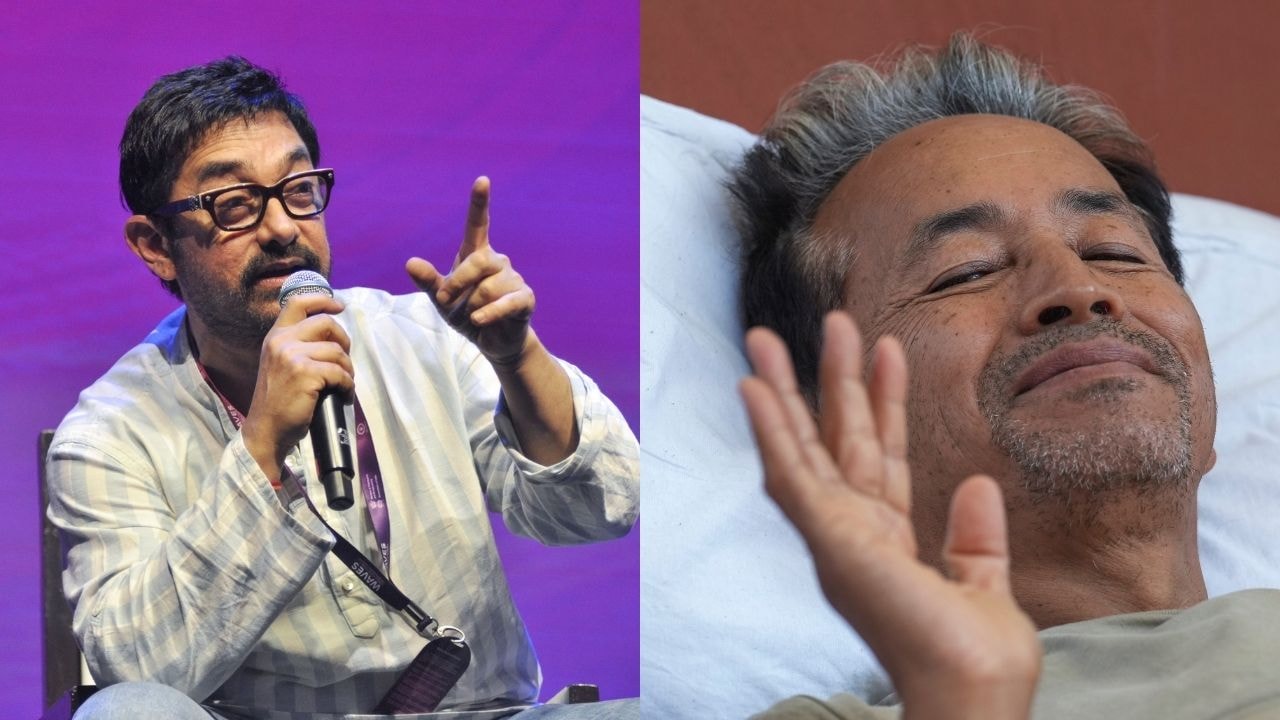
Aamir Khan has clarified that the iconic film '3 Idiots' was not inspired by Sonam Wangchuk, praising the innovator's independent achievements.
Key Takeaways
- Aamir Khan clarified that '3 Idiots' was not based on Sonam Wangchuk's life.
- Neither the actors nor the writers knew about Wangchuk during the film's production.
- Khan lauded Wangchuk's independent contributions to education and innovation.
Bollywood superstar Aamir Khan has addressed the long-standing speculation regarding the creative origins of his landmark film, '3 Idiots'. Amidst claims that the film's protagonist was modeled after the renowned Ladakhi innovator and educationist Sonam Wangchuk, Khan has categorically denied any connection, stating that the notion is entirely incorrect.
Addressing the 'Inspiration' Controversy
During a recent public appearance, the actor dismantled the narrative that the film's script was influenced by Wangchuk's life and work. Khan emphasized that at the time of the movie's conception and production, neither he nor the screenwriters had any knowledge of Sonam Wangchuk's specific methodologies or his personal journey. He sought to decouple the cinematic masterpiece from the real-life hero to maintain the integrity of both the film and the individual.
Respecting an Independent Legacy
While distancing the film from the innovator, Khan was quick to offer profound respect to Sonam Wangchuk. He noted that Wangchuk's work in the field of sustainable innovation and educational reform stands entirely on its own merit. By stating that Wangchuk's achievements are unique, Khan effectively argued that the innovator does not need a cinematic character to validate his significant impact on society.
Contextualizing the Debate
The debate arises in a period where Sonam Wangchuk has gained immense global attention for his activism regarding environmental protection and cultural rights in Ladakh. As the world looks toward his real-world struggles, the clarification by Khan ensures that the artistic merit of '3 Idiots' is judged on its own storytelling merits, rather than being misattributed to the lived experiences of a contemporary icon. The distinction highlights the difference between thematic similarities in social commentary and direct biographical inspiration.