The trailer of Nitesh Tiwari’s Ramayana sparked heated debate over the film’s costumes. Designers Rimple and Harpreet Narula clarified that their choices stem from personal faith and narrative intent, not archaeological accuracy.
Key Takeaways
- Designers anticipated criticism before the trailer release
- Costume choices are rooted in personal belief and symbolic storytelling
- Each colour reflects a character’s emotional journey
Designers’ Response
After the trailer of Ramayana by Nitesh Tiwari hit the internet, social media erupted over the film’s costumes. Rimple and Harpreet Narula—who previously collaborated with Sanjay Leela Bhansali on epics like Padmaavat—told the Times of India that they had expected a spectrum of opinions long before the trailer’s debut. “An epic that lives in our collective consciousness for generations will always invite debate on casting, costumes, visual effects, and what people deem right or wrong. We were prepared for that,” they said.
Sita’s Outfit Explained
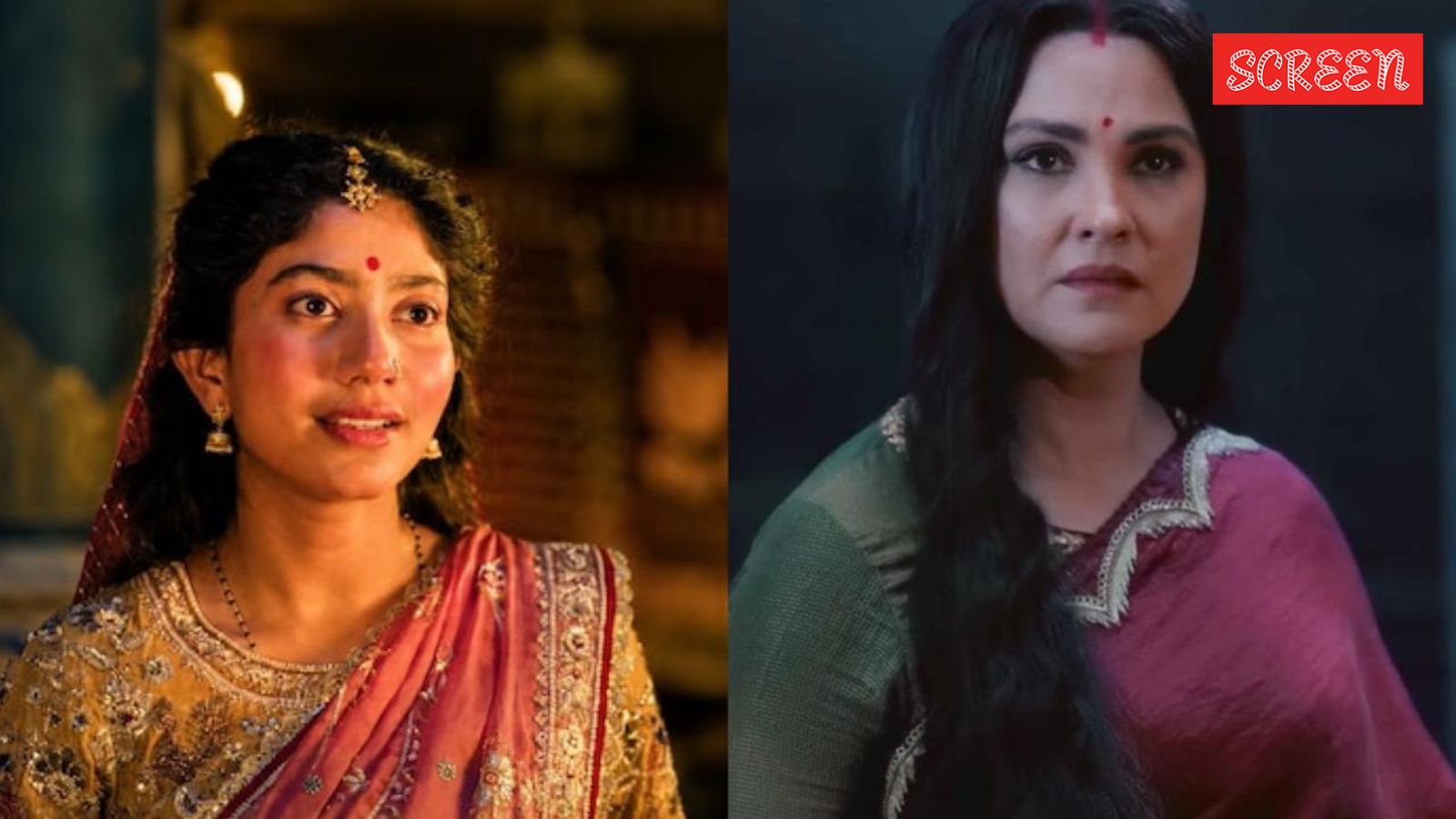
Criticism focused on the blouses worn by Sai Pallavi as Sita. Rimple clarified that the design was guided by personal faith rather than historical reconstruction. “When I close my eyes and think of Goddess Sita, I don’t think about archaeological authenticity. I wanted my Goddess, the one sitting in my mandir, to look like the image that has lived in my consciousness,” she explained.
The Symbolism Behind Kaikeyi’s Wardrobe
Harpreet addressed Lara Dutta’s appearance as Kaikeyi, noting the symbolism of the colour palette. “The green represents motherhood, while the deep maroon reflects the emotional strength and darkness of the decision she has to make. She is torn between her own son and Ram,” he said, adding that every colour was chosen after careful deliberation and urging audiences to view the entire film before forming an opinion.
Absence of Historical References
Rimple highlighted that no surviving costume references from the Treta Yuga exist, making every adaptation an act of interpretation. “Ramayana has been imagined and re‑imagined across cultures and generations. This is our attempt to make an ancient epic speak visually to a new generation,” she said.
Why This Matters
BozokMedia analysis shows that such creative challenges redefine cultural engagement and inspire fresh aesthetics within the Indian film industry.
“Prioritising personal devotion and narrative necessity over strict historicism makes the epic more accessible to modern audiences,” says film historian Dr. Anita Singh.
Frequently Asked Questions
- Is historical accuracy essential for Ramayana’s costume design? No, the film’s goal is emotional resonance and narrative re‑interpretation rather than a museum‑like recreation.
- Will audiences accept Ranbir Kapoor as Lord Rama? Acceptance will vary among viewers; time and exposure may increase acceptance.