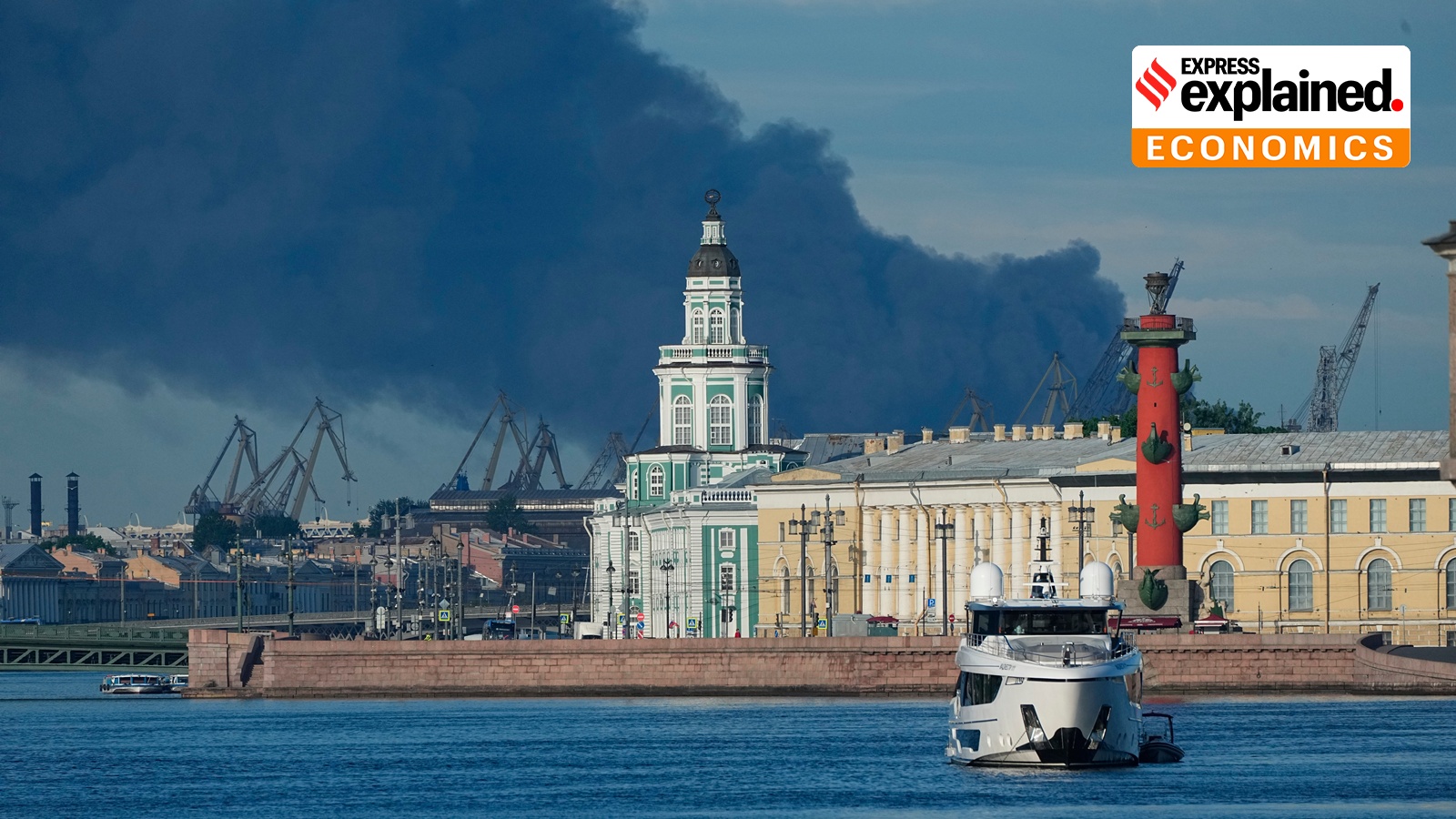
A combination of escalating Russia-Ukraine hostilities and severe heatwaves in Europe is creating a perfect storm for global food inflation, threatening wheat and corn supplies.
Key Takeaways
- Ukrainian drone strikes on Russian grain terminals have crippled major export capacities.
- Extreme heat in the EU is projected to slash wheat and corn yields significantly.
- Increased maritime attacks in the Black Sea are driving up shipping insurance and logistics costs.
- Global food price indices are seeing a sharp upward trend due to supply chain disruptions.
The global food market is facing a volatile convergence of geopolitical conflict and climate instability. While much of the world's attention has been focused on the Strait of Hormuz, the Black Sea and the Kerch Strait are emerging as critical chokepoints that could dictate the future of global food affordability.
Recent escalations in the Russia-Ukraine war have directly targeted agricultural infrastructure. A massive drone strike by Ukraine recently damaged two of Russia's largest grain export terminals in Novorossiysk, suspending operations with an annual capacity of 15.6 million tonnes. This follows a pattern of increased attacks on maritime vessels and port facilities, significantly restricting the flow of produce from vital hubs like Rostov-on-Don and the Sea of Azov.
Why This Matters
BozokMedia analysis shows that the crisis is not necessarily about a lack of grain production, but rather a crisis of logistics and accessibility. Even if harvests are bountiful, the ability to move that grain through contested waters is being hampered by soaring insurance premiums and increased risks to crews. This logistical bottleneck acts as a multiplier for global inflation.
The intersection of maritime warfare and climate-driven crop failures is creating a 'perfect storm' for global food insecurity.
Compounding the military tension is the environmental crisis in Europe. The US Department of Agriculture (USDA) has warned of a significant dip in EU production. Wheat output is expected to fall by 7.5%, while corn production is heading toward a two-decade low due to record-breaking summer temperatures and drought conditions.
Historical Background
The food price index peaked in March 2022 at the onset of the Russia-Ukraine conflict. While UN-backed maritime corridors provided temporary relief and stabilized prices in 2023, the recent resurgence of targeted strikes on ports like Izmail and Novorossiysk suggests that the era of relative stability in Black Sea shipping may be coming to an end.
Frequently Asked Questions
1. Why are shipping costs increasing?
Increased military activity in the Black Sea makes shipping dangerous, leading to much higher insurance premiums for vessels.
2. How does weather affect food prices?
Extreme heat and droughts reduce crop yields, meaning there is less supply available, which naturally drives prices up.