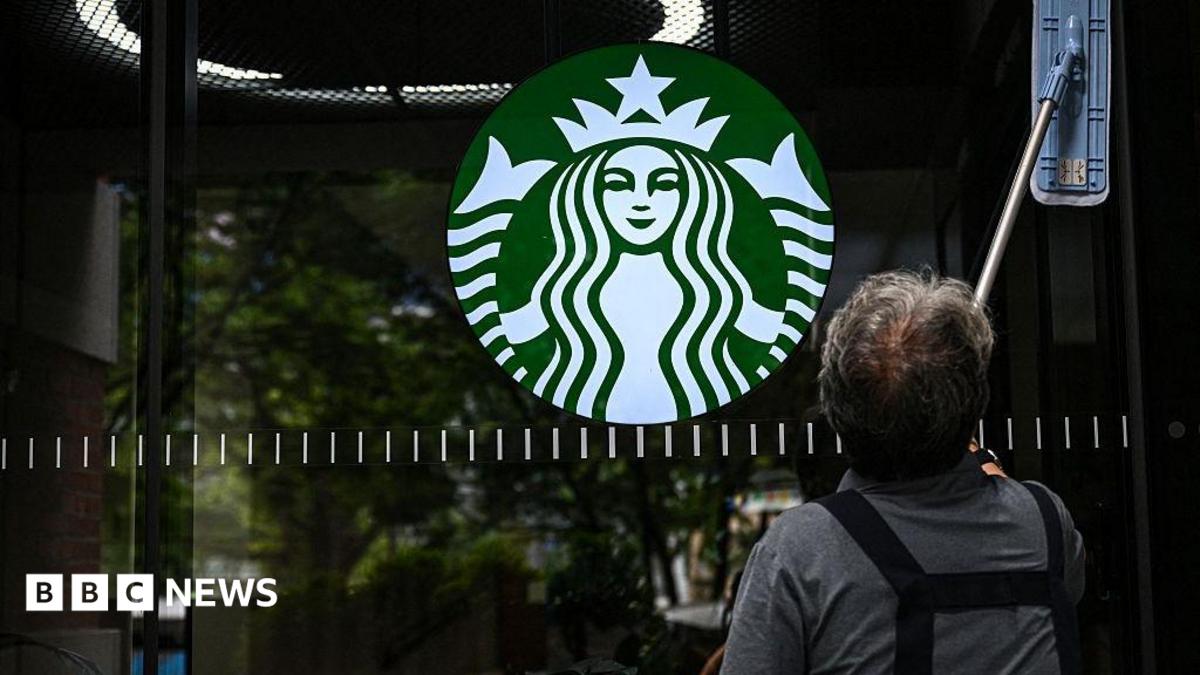
South Korean police have raided Starbucks Korea's headquarters following allegations that a 'Tank Day' promotion mocked the victims of the 1980 Gwangju Uprising.
Key Takeaways
- Police raided Starbucks Korea HQ over defamation claims.
- The 'Tank Day' promotion was seen as insensitive to the 1980 Gwangju Uprising.
- The scandal led to the dismissal of the company's CEO.
- Starbucks has faced a significant sales decline and mass boycotts.
South Korean police have conducted a raid on the national headquarters of Starbucks Korea following intense backlash and criminal complaints regarding a highly controversial marketing campaign. The company is accused of defaming the victims of the 1980 Gwangju Uprising, a pivotal and tragic moment in South Korea's democratic history.
The controversy erupted in May when Starbucks launched a coffee tumbler promotion titled 'Tank Day.' The timing coincided with the anniversary of the Gwangju Uprising, during which hundreds of pro-democracy protesters were killed by military forces. Critics argued that the term 'tank' directly referenced the military vehicles used to suppress the movement, making the promotion appear deeply disrespectful to the nation's trauma.
Why This Matters
BozokMedia analysis shows that this incident transcends mere corporate negligence; it highlights the volatile intersection of commercial branding and national identity. In a country where historical memory is closely guarded, a failure to respect democratic struggles can turn a global giant into a political target overnight.
A single marketing misstep can transform a consumer brand into a symbol of political division and historical insult.
In response to the outcry, Shinsegae Group, which operates Starbucks in South Korea, initiated an internal probe. While they claimed the mistake was unintentional, the fallout has been severe. The company has seen a sharp decline in sales, was forced to close stores for staff history lessons, and ultimately had to terminate its Chief Executive Officer.
Historical Background
The 1980 Gwangju Uprising was a violent crackdown by the military dictatorship of Chun Doo-hwan against citizens demanding democracy. The event is regarded as a sacred struggle for human rights in South Korea, and any perceived mockery of the victims is treated with extreme gravity by both the public and political leaders.
Frequently Asked Questions
1. Why is Starbucks being investigated in South Korea?
The company is under investigation for defamation after a 'Tank Day' promotion was perceived as mocking the victims of the Gwangju Uprising.
2. What happened to the Starbucks CEO?
Following the massive public backlash and decline in sales, the CEO of Starbucks Korea was sacked.