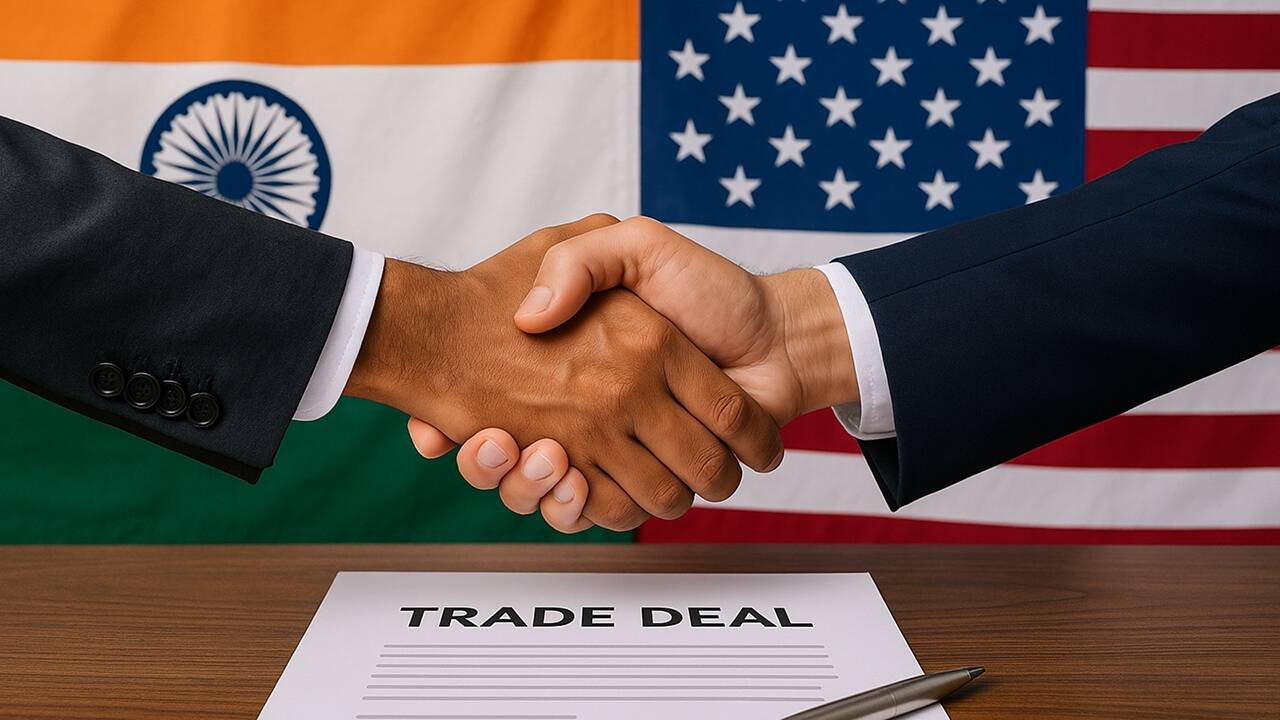
Economist Surjit Bhalla says the India‑US trade pact can boost competitiveness and speed India’s march toward developed‑nation status, but prolonged delays would hand strategic advantage to China.
India and the United States are in the final stages of negotiating the first phase of a bilateral trade agreement that has been on the table for decades. Leading Indian economist and author Surjit Bhalla argues that the deal is far more than a balance‑of‑payments issue; it is a catalyst that could unleash "animal spirits" and reposition India as a major player on the global stage.
Why the Deal Matters
According to Bhalla, a comprehensive India‑US trade pact would reshape India’s growth trajectory by opening markets, deepening technology transfer, and inviting higher‑value foreign investment. He believes the agreement will accelerate India’s ambition to become a developed economy by 2047, turning the country’s current export‑driven momentum into a sustainable, innovation‑led engine.
Domestic Hurdles and Lost Opportunities
Bhalla describes the absence of a major US trade deal as one of India’s biggest policy failures over the past thirty years. He attributes the stalemate to entrenched interests within the policy‑making establishment—a “deep state” that resists structural reform. India already enjoys a sizable trade surplus with the United States—about $70 billion—four times the combined surplus of Japan, the EU and the UK, yet without a formal pact those gains remain fragile and insulated.
Geopolitical Fallout: China Gains
The economist warns that every month of delay strengthens China’s strategic position. With India’s market still relatively protected, Chinese firms can continue to capture low‑cost manufacturing and supply‑chain advantages. Bhalla calls for greater transparency in economic policymaking, urging a public conversation about who benefits and who loses from such high‑stakes negotiations.
Policy Recommendations
If asked what advice he would give Prime Minister Narendra Modi as an economic adviser, Bhalla’s answer is blunt: "Trade deal with the US, 100 %—no second‑guessing." He stresses that other agreements—such as those with the UK, Japan or the EU—cannot substitute for the competitive pressure a US market would generate. The deal would force Indian incumbents to face world‑class rivals, erode complacency and drive productivity across sectors. In Bhalla’s view, only by expanding beyond the domestic market can India achieve its 2047 development goal.

