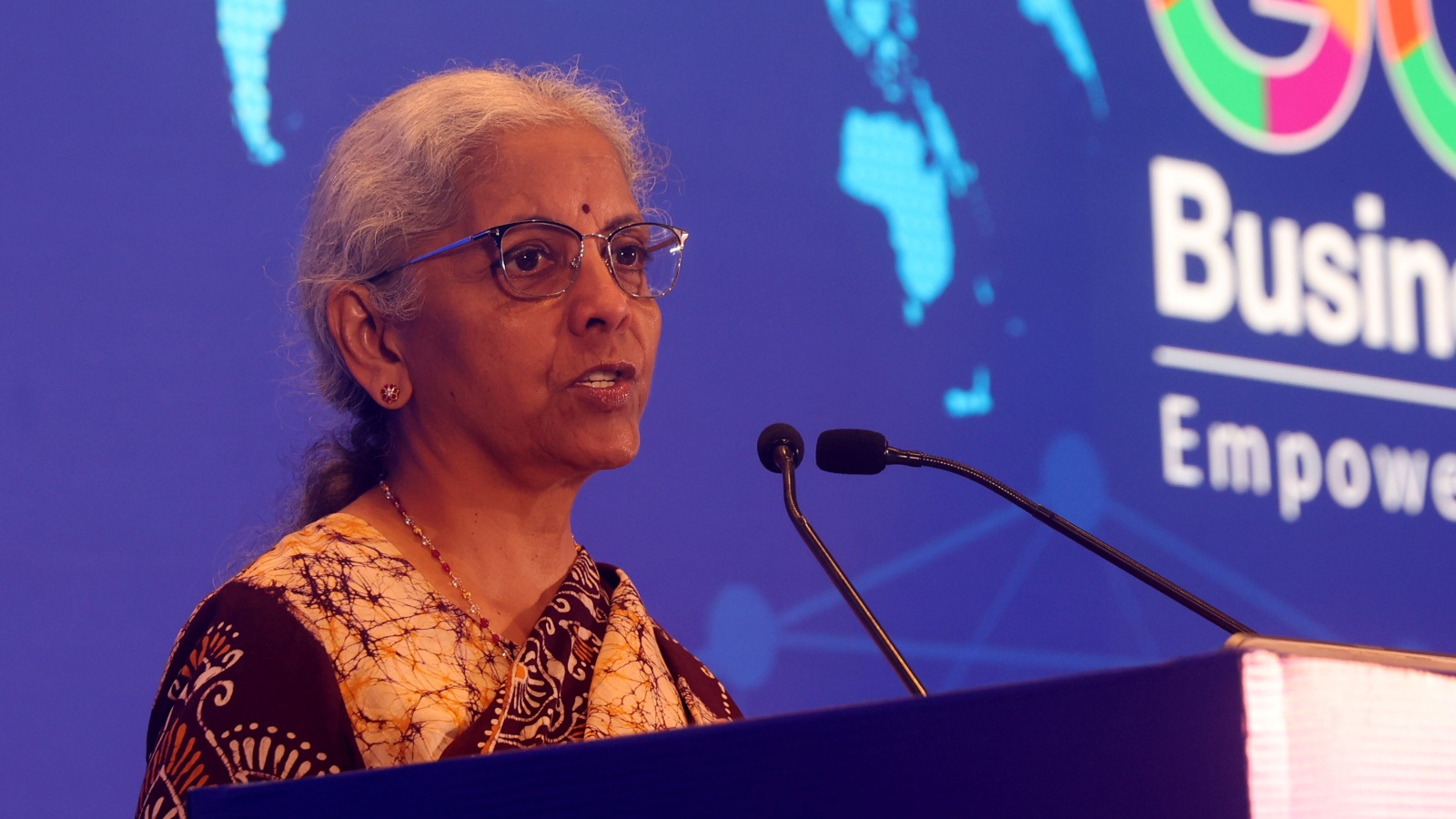
Finance Minister Nirmala Sitharaman urged that Global Capability Centres (GCCs) move beyond cost‑centric models to become engines of innovation. She highlighted the need to expand into Tier‑2 and Tier‑3 cities, strengthening India's long‑term competitiveness on the global stage.
New Delhi (July 10, 2026) – Union Finance Minister Nirmala Sitharaman, speaking at the inaugural GCC summit organised by the Confederation of Indian Industry (CII), emphasized that the next decade’s corporate ambition must transcend merely hosting Global Capability Centres (GCCs). "It is ecosystems, not incentives alone, that determine long‑term competitiveness," she said.
Prioritising Innovation Over Cost
Sitharaman called on industry leaders to climb the value chain by creating robust intellectual property, leading frontier research, and developing AI‑driven product architectures. She urged firms to partner more closely with universities, start‑ups and centres of excellence, ensuring that breakthroughs flow seamlessly from labs to markets. The goal, she added, is for India to conceive, engineer and lead a growing share of the world’s ideas, algorithms, platforms and enterprise capabilities.
Expanding Beyond Metros
The minister warned that the next wave of GCC growth cannot stay confined to a handful of metropolitan hubs. Cities such as Varanasi, Chandigarh, Visakhapatnam, Tiruchirappalli and Mysuru are rapidly building talent pools, infrastructure and an emerging innovation base that make them attractive for globally competitive enterprises. These locations offer competitive operating costs while nurturing mature ecosystems, positioning them as viable alternatives to Bengaluru, Hyderabad or Gurugram.
State‑Level Partnerships and Policy Feedback
Sitharaman appealed to industry to engage proactively with state governments, city administrations and educational institutions. She encouraged firms to share practical feedback on policy, processes, talent and infrastructure, thereby shaping a more conducive environment for future GCC investments. Successful investors were asked to act as ambassadors for India’s capabilities, as their success stories constitute the strongest endorsement of the GCC ecosystem.
Regional Balance and Future Outlook
According to the finance minister, each Indian state possesses distinct competitive advantages that can be leveraged to build specialised innovation ecosystems. This diversity will make India’s overall innovation landscape more resilient, diversified and globally competitive. The multiplier effect of a GCC in emerging cities—creating demand for advanced skills, supporting start‑ups, professional services, housing and research collaborations—will act as a catalyst for balanced regional development.


