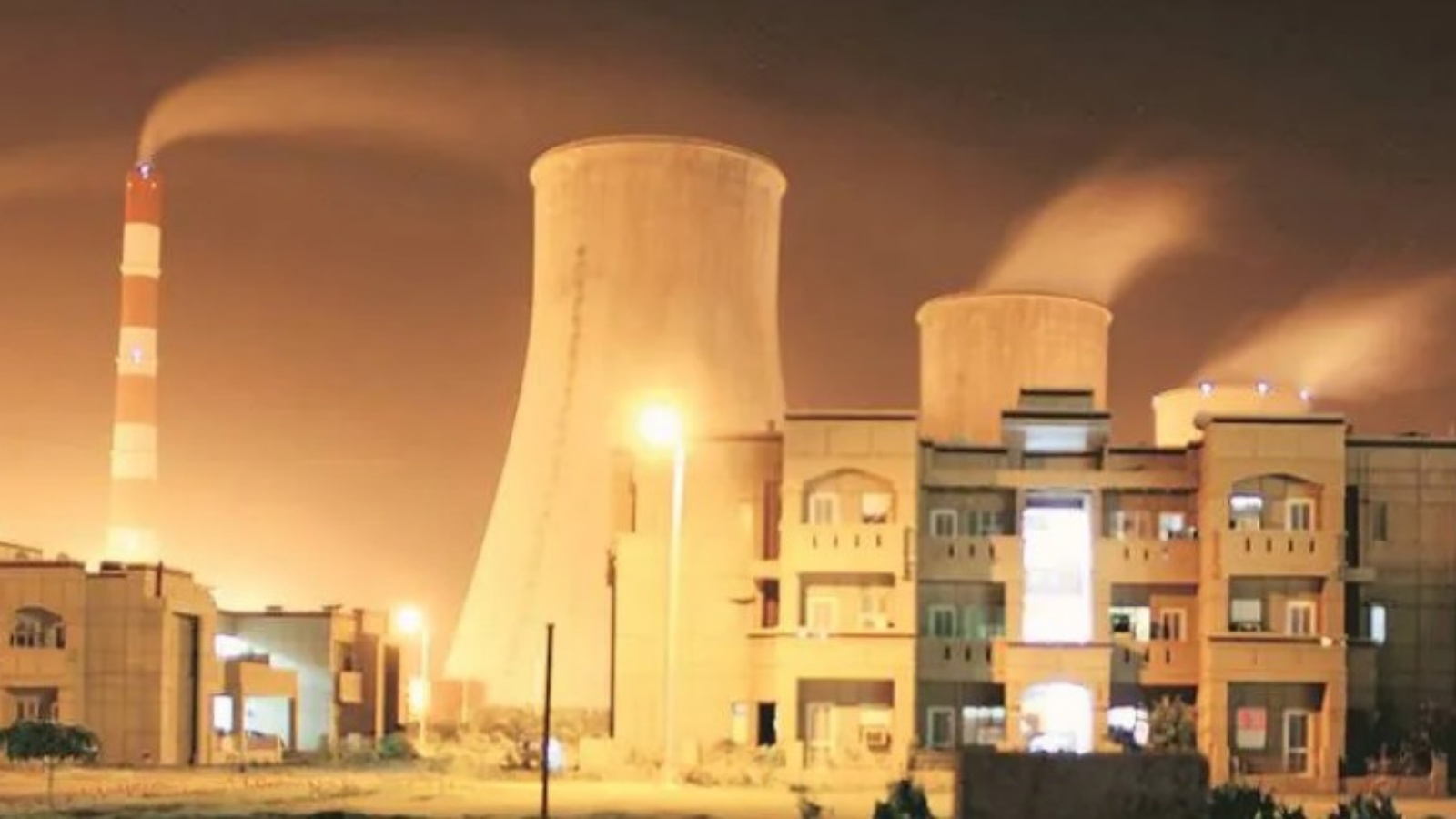
The Ministry of Power is drafting a comprehensive advisory to mitigate the impact of erratic weather caused by El Niño. The guidance will focus on fuel and water security for thermal plants, transmission safeguards, and shifting agricultural demand to solar hours.
New Delhi – In response to the looming climatic risks posed by an El Niño event, the Ministry of Power is preparing a detailed advisory for all stakeholders in the electricity sector. The move follows a high‑level review meeting held on Thursday, where officials discussed contingency plans for adverse weather that could impair hydro‑electric and wind generation.
Background and Weather Challenge
El Niño, characterized by unusually warm sea‑surface temperatures in the Pacific, often translates into irregular monsoon patterns, reduced water levels, and lower wind‑farm output across India. Historical episodes have shown that such anomalies can cripple hydro and wind output, forcing the grid to rely heavily on coal‑based generation.
Key Pillars of the Advisory
The forthcoming advisory is expected to centre on four strategic areas: 1. Ensuring adequate coal and water supplies for thermal plants, 2. Conducting preventive maintenance to curb forced and partial outages, 3. Protecting critical transmission assets, and 4. Shifting agricultural electricity demand to daylight solar hours.
Thermal Plant Preparedness
State governments may be asked to facilitate coal logistics and water allocations, especially in regions experiencing deficient rainfall. Simultaneously, thermal stations will be urged to accelerate scheduled maintenance to minimise unplanned shutdowns during peak demand periods.
Transmission Safeguards
Generating companies and transmission utilities will be required to identify transmission lines, transformers and other network elements that are vulnerable to heavy loading or overload. Early‑stage mitigation measures—such as load re‑routing and equipment reinforcement—will be mandated to avoid cascading failures.
Potential Impact and Remaining Challenges
If hydro‑electric and wind output fall sharply, the grid could become overly dependent on coal, raising both cost and carbon‑emission concerns. To offset this, the advisory encourages states to align agricultural power consumption with peak solar generation, thereby maximising daytime renewable utilisation.
Nevertheless, challenges persist: water scarcity, coal‑supply chain disruptions, and coordination gaps between central and state agencies could hinder swift implementation. Continuous monitoring and rapid remedial actions will be essential to keep the system resilient.
Once released, the advisory is expected to drive a coordinated response among state load dispatch centres, transmission operators and generation companies, reinforcing India’s energy security against the unpredictable forces of El Niño.