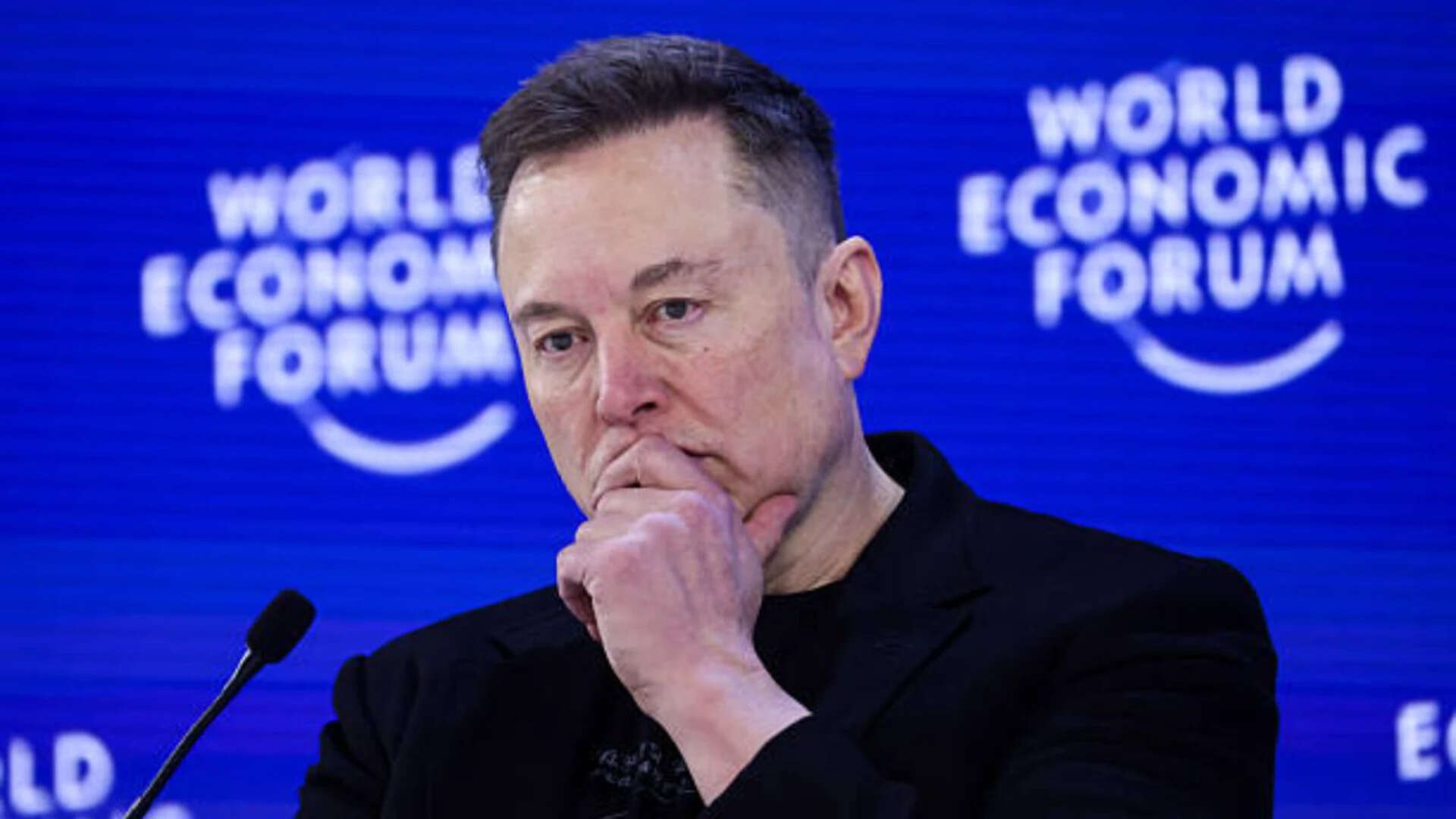
Elon Musk endured a grueling 100‑hour workweek in his early startup days, sleeping on office couches and using YMCA facilities for hygiene. This relentless drive propelled ventures like Zip2, PayPal and SpaceX to global success.
Key Takeaways
- Musk adopted a 100‑hour workweek during his early entrepreneurial years
- He slept in the office, showered at a YMCA, and coded seven days a week
- Hard work turned Zip2, PayPal and SpaceX into multi‑billion‑dollar enterprises
Elon Musk, often likened to the fictional billionaire Tony Stark, has built a net worth estimated between $916 billion and $952 billion, making him the world’s richest individual. Yet his ascent was not a scripted saga; it was forged through relentless effort, strategic risk‑taking, and an infamous 100‑hour workweek that defined his early career.
Early Struggles and Migration
Born in Pretoria, South Africa, Musk left for Canada at 17 with scant resources, taking odd jobs such as boiler‑room cleaning and lumber‑mill work. He later attended Queen’s University before transferring to the University of Pennsylvania. A brief stint at Stanford for a PhD in applied physics ended after two days when he sensed the burgeoning internet boom, prompting him to dive into entrepreneurship.
Zip2 and X.com: Foundations of a Billion‑Dollar Empire
In 1995, Musk and his brother Kimbal launched Zip2, a software firm that supplied online city guides to newspapers. To stretch limited capital, they embraced a 100‑hour workweek: Musk often slept on a couch in the rented office, showered at a local YMCA, and coded through the night, seven days a week. Compaq’s 1999 acquisition of Zip2 for roughly $307 million yielded Musk about $22 million, which he reinvested into his next venture.
SpaceX’s Near‑Bankruptcy and Turnaround
2008 was a crucible: SpaceX’s first three Falcon 1 launches failed, Tesla was cash‑strapped, and Musk faced personal bankruptcy. The fourth launch succeeded, making SpaceX the first privately funded company to place a liquid‑fuel rocket in orbit. NASA’s subsequent multibillion‑dollar Commercial Resupply Services contract secured the firm’s future, illustrating how sheer perseverance can convert near‑failure into industry‑changing triumph.
Musk’s Hands‑On Management Style
Unlike many CEOs who delegate from a corner office, Musk is known to spend extensive time on factory floors and engineering reviews. During Tesla’s Model 3 production crunch (2017‑18), he personally slept in the factory, worked overnight shifts, and scrutinized every detail. This direct involvement fuels a culture of intensity, though critics label his schedule as extreme.
Future Outlook and Lessons for Entrepreneurs
Today, Musk’s portfolio spans Starlink, Neuralink, The Boring Company, xAI, and the rebranded X (formerly Twitter). His mantra—“Nobody ever changed the world on 40 hours a week”—serves both as inspiration and caution. While a 100‑hour week isn’t a prescription for success, Musk’s narrative underscores the importance of relentless dedication, calculated risk, and an unwavering belief in one’s vision.