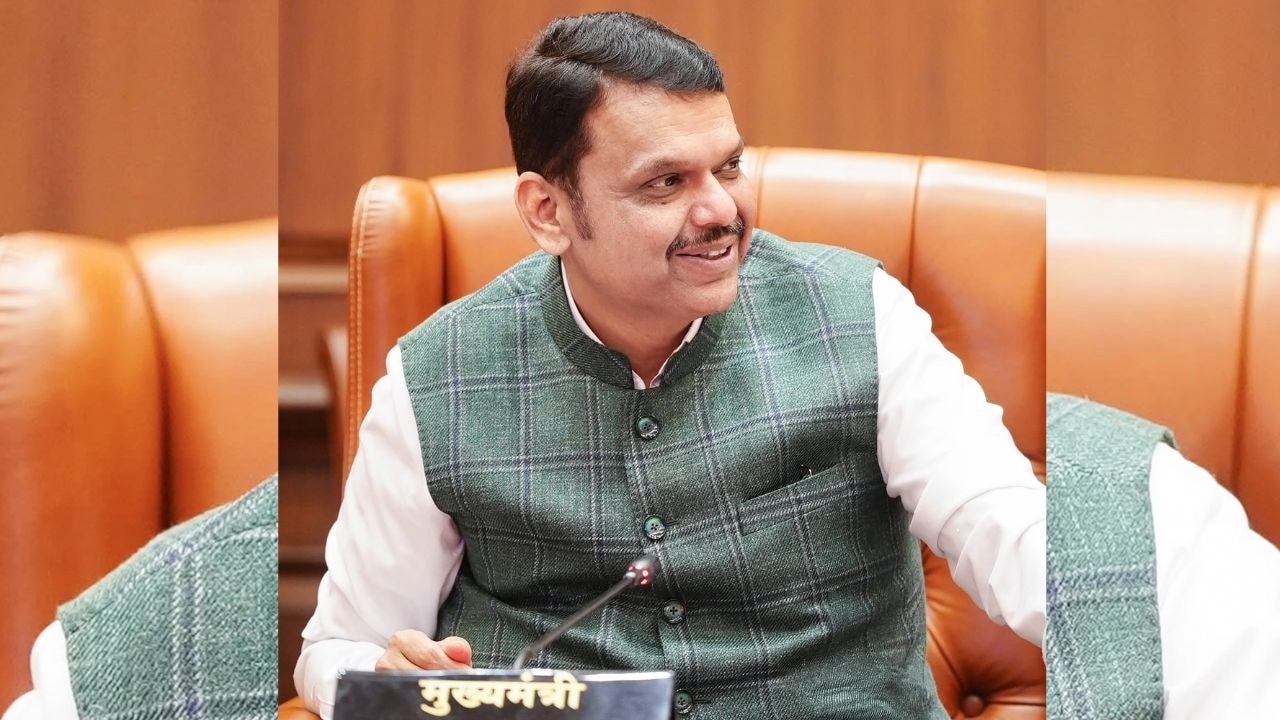
The state lifts the farm loan waiver ceiling five‑fold, bringing millions of marginal farmers under relief while the chief minister warns of possible strain on cooperative banks.
Key Takeaways
- Farm loan waiver ceiling raised from ₹50,000 to ₹2 lakh.
- Millions of small‑holder farmers become eligible for relief.
- Chief Minister cautions that continuous waivers could weaken cooperative banks.
Today Maharashtra announced a landmark revision of its agricultural loan waiver policy, increasing the maximum eligible amount from ₹50,000 to ₹2 lakh. The decision, unveiled by Chief Minister Eknath Shinde, is positioned as a pivotal step toward reviving the financial health of marginal farmers across the state.
Background and Significance of the New Ceiling
Historically, Maharashtra’s waiver schemes capped benefits at modest levels, excluding a large segment of small and medium‑scale cultivators whose average loan size hovers between ₹1.5 lakh and ₹2 lakh. The previous ₹50,000 limit left many indebted farmers without recourse, fueling distress sales and migration. By expanding the ceiling to ₹2 lakh, the government estimates that over 10 million farmers will now qualify for direct debt relief, a figure supported by recent data from the State Agriculture Department.
Chief Minister’s Cautionary Note
While celebrating the relief, Chief Minister Shinde warned that “regular waivers can encourage borrowers to delay repayments and erode the financial health of cooperative banks.” He emphasized the need for a balanced approach, pairing the waiver with measures such as loan restructuring, lower interest rates, and stricter repayment monitoring to safeguard the banking sector’s liquidity.
Financial Implications for Cooperative Banks
Cooperative banks, which hold a dominant share of agricultural credit in Maharashtra, could see a rise in non‑performing assets (NPAs) if waivers are not coupled with robust follow‑up mechanisms. Financial analysts suggest that the state must inject capital support, improve liquidity ratios, and establish risk‑based interest frameworks to prevent a credit crunch.
Policy Outlook and Future Steps
The government has pledged a dedicated relief package for cooperative banks, including capital infusions and liquidity assistance. Parallelly, it plans to launch extensive financial‑literacy drives aimed at educating farmers on responsible borrowing and timely repayment. These complementary actions aim to ensure that the waiver does not become a recurring fiscal burden.
Overall Impact
In the short term, the expanded waiver is expected to boost rural consumption, stimulate demand for agricultural inputs, and stabilize farm incomes. However, long‑term sustainability hinges on disciplined repayment enforcement and a resilient banking framework. The policy’s success will ultimately be measured by its ability to lift farmers out of debt without compromising the health of the state’s cooperative banking system.

