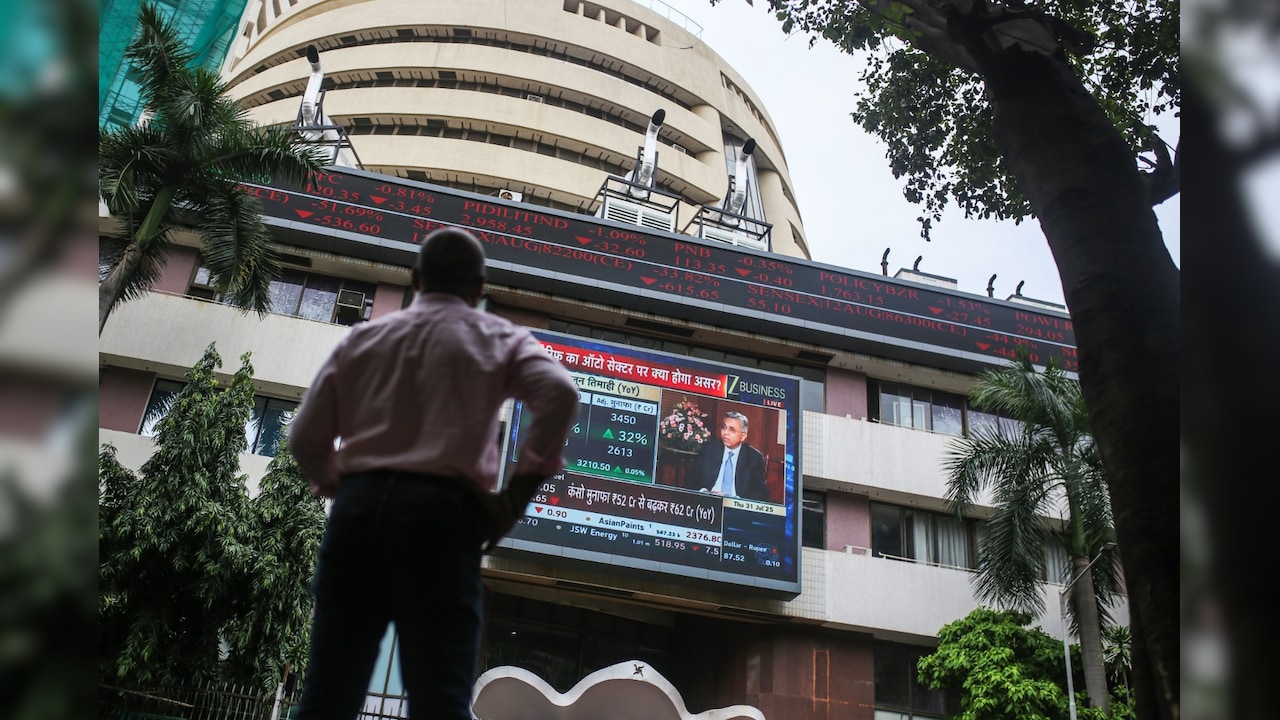
Sensex and Nifty are set to start the day in the green as Brent hovers around $76 and WTI stays below $72 per barrel. Asian equity indices are also showing broad-based gains, adding to the bullish tone.
Key Takeaways
- Sensex likely to open in green territory
- Brent crude near $76, WTI below $72
- Asian markets post widespread gains
India’s equity market opened on an upbeat note this morning, with both the Sensex and Nifty poised to trade in the green. The optimism is largely driven by stable crude‑oil prices and a rally across major Asian exchanges.
Impact of Global Crude Prices
Brent crude traded close to $76 a barrel, while U.S. West Texas Intermediate (WTI) remained under $72. This modest dip in oil prices is being interpreted by investors as a sign that inflationary pressures may ease, thereby supporting risk‑on assets. Lower energy costs also bolster corporate profit outlooks, especially for Indian exporters and manufacturers.
Broad‑Based Gains in Asian Markets
Key Asian indices surged ahead: Japan’s Nikkei 225 climbed 0.8%, Singapore’s Straits Times Index rose more than 1%, and Hong Kong’s Hang Seng added roughly 0.6%. The rally was fueled by better‑than‑expected export data from China and hints of monetary easing across the region, which together lifted sentiment throughout the continent.
Technical Outlook for Sensex and Nifty
Technical analysts note that the Sensex is trading above its 50‑day moving average, a classic bullish signal. Nifty mirrors this strength, holding above key support levels with a Relative Strength Index (RSI) hovering around 55, indicating no immediate over‑bought condition. Consequently, several brokerage houses are recommending medium‑to‑high‑risk equities for today’s session.
Future Outlook and Investor Guidance
If today’s momentum sustains, the Sensex could test the 60,000‑point mark in the coming weeks. Nevertheless, any sudden shift in global monetary policy or a sharp swing in oil prices could reignite volatility. Investors are advised to diversify across sectors, keep a defensive bias in their portfolios, and employ stop‑loss orders to guard against short‑term turbulence.