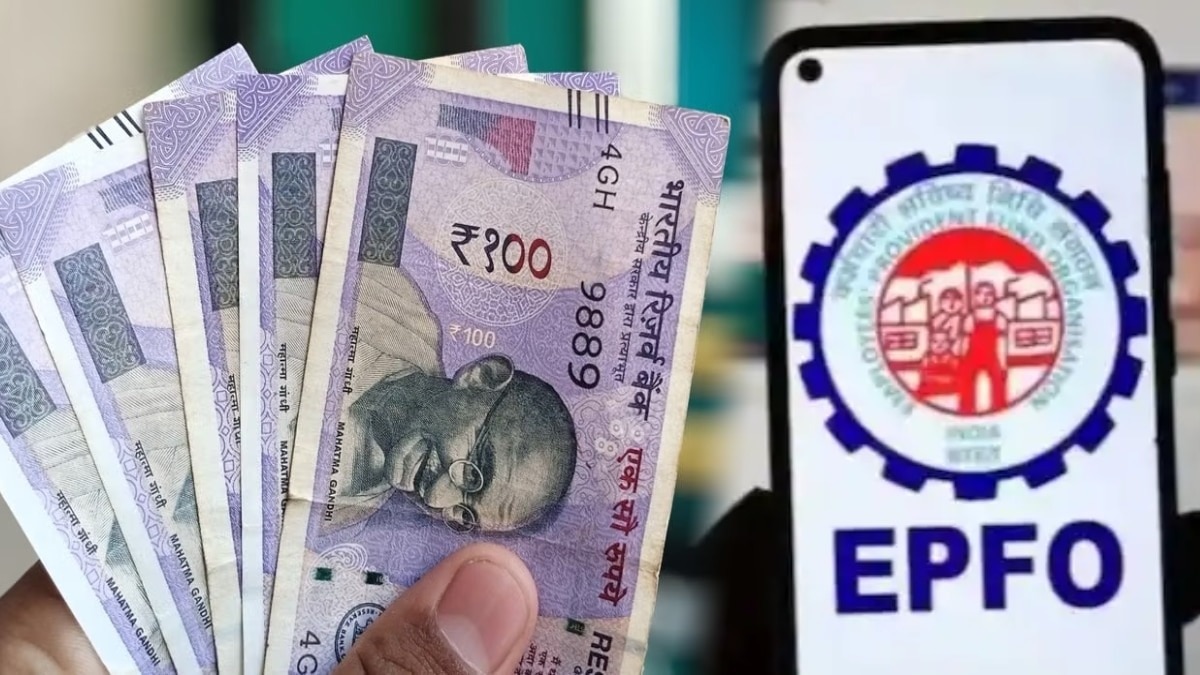
The Employees' Provident Fund Organisation (EPFO) has set an 8.25% interest rate for FY 2025‑26 and confirmed that the interest will be credited to all accounts by July 15, 2026. The rollout leverages the new CITES platform, offering a unified member portal and automated claim validation.
Key Takeaways (मुख्य बिंदु)
- EPF accounts will earn 8.25% interest for FY 2025‑26
- Unified member portal and automated pre‑validation via CITES
- Interest to be credited by July 15, 2026
On July 11, 2026, the Employees' Provident Fund Organisation (EPFO) announced a comprehensive update: the financial year 2025‑26 will see an 8.25% annual interest rate on EPF balances. The decision was communicated by Union Labour and Employment Minister Dr. Manushka Mandaviya, who highlighted that the newly‑launched Centralised IT‑Enabled Services (CITES) system will facilitate the deposit of up to ₹1.44 lakh crore directly into subscriber accounts.
Background and Historical Context
Over the past five years, the EPF interest rate has seen modest increments—8.10% for FY 2023‑24 and 8.15% for FY 2024‑25—reflecting India's macro‑economic conditions, inflation trends, and government borrowing costs. The latest 8.25% rate is positioned as a move to safeguard workers’ savings while aligning with the broader monetary stance aimed at economic stability.
Introduction of the CITES Platform
The CITES initiative marks a complete migration of EPFO’s legacy decentralized architecture to a centralized database, enabling a single, user‑friendly portal for members. Through this portal, employees can access membership details, EPF balances, claim status, pension records, and a suite of ancillary services. A standout feature is automated pre‑validation of withdrawal requests, which screens eligibility before the request reaches an EPFO office, thereby reducing fraud and processing delays.
Implications and Potential Benefits
By crediting interest by July 15, 2026, millions of workers will gain financial certainty, especially those relying heavily on EPF for retirement planning. The digital overhaul promises faster service delivery, reduced paperwork, and lower administrative overheads. Moreover, the transparency offered by real‑time portal updates can bolster trust in the social security system.
Looking Ahead
Minister Mandaviya indicated that EPFO will continue to invest in technology‑driven enhancements—potentially including mobile‑first applications, AI‑based advisory tools, and advanced data analytics—to further streamline member services. If executed effectively, these initiatives could set a benchmark for public‑sector digital transformation across India.

