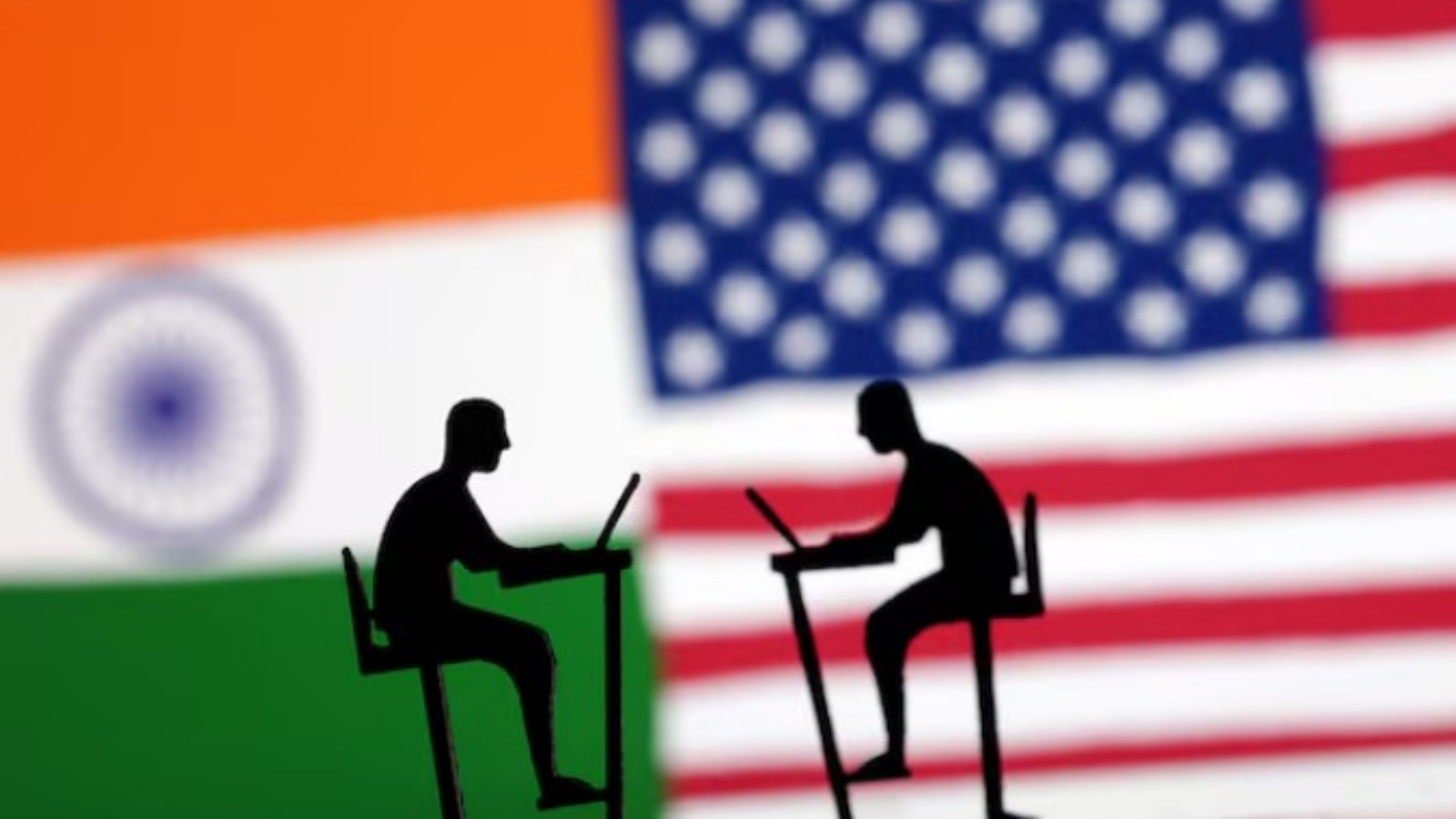
India has formally requested a review of the U.S. Trade Representative’s proposed 12.5% tariff linked to forced labour allegations, citing inconsistencies and insufficient evidence. The move underscores escalating trade tensions and highlights potential economic repercussions for both nations.
Key Takeaways
- India requests review of the U.S. 12.5% tariff under Section 301.
- Indian officials cite inconsistencies and lack of evidence in the USTR's forced‑labour investigation.
- Industry leaders warn of severe cost hikes and potential disruption to U.S.–India trade.
New Delhi, July 12, 2026 – India has formally asked the United States Trade Representative (USTR) to reconsider the proposed 12.5% tariff tied to forced‑labour allegations, arguing that the investigation contains material inconsistencies. The request arrives as the deadline for the new duties—set for July 24—looms, heightening trade‑policy friction between the two economies.
Legal Framework and Historical Context
Section 301 of the 1994 Trade Act empowers the U.S. to impose remedial measures when foreign trade practices are deemed unfair or discriminatory. In recent years, forced‑labour concerns have become a focal point for Washington, especially after the 2022 global push to ban products linked to coerced work. India, however, contends that the USTR’s analysis relies on broad, non‑specific data and lumps 46 economies—including India—into a single “high‑risk” category without sector‑by‑sector evidence.
India’s Official Response
Joint Secretary Brij Mohan Mishra of the Department of Commerce told a public hearing that eliminating forced labour is a constitutional duty and an international legal principle. Yet he argued that the USTR’s report fails to meet the evidentiary standards required under Section 301(d). “The mere absence of a forced‑labour import prohibition, without concrete statutory proof, cannot be deemed unreasonable,” Mishra said, urging that any trade concerns be addressed through bilateral negotiations rather than unilateral tariffs.
Industry Concerns Over Economic Impact
Reliance Industries Limited (RIL) Chairman Anil Rajvanshi emphasized that the company’s petrochemical feedstocks are sourced from low‑risk origins, including the United States, and are far removed from sectors where state‑imposed forced labour is documented. Rajvanshi warned that the existing 10‑15% duties on Indian PSF and PET resin already strain the supply chain; an additional 12.5% would push total tariffs into the 30‑40% range, inflating costs for U.S. downstream users without materially curbing forced‑labour incentives.
Agricultural Export Perspective
Shreyans Gupta, First Secretary at the Indian Embassy in Washington, representing the Agricultural and Processed Food Products Export Development Authority (APEDA), highlighted that rice imports from India to the U.S. constitute less than 3% of the total bilateral rice trade. He noted stringent regulatory checks that prevent the export of rice produced with forced labour, arguing that the investigation lacks a factual basis and should be rescinded without prejudice. Gupta also requested an exemption for Indian rice should the tariff proceedings continue.
Overall, India’s demand for a review reflects broader concerns about the transparency and fairness of trade enforcement mechanisms. The dispute is likely to be resolved through diplomatic channels, as a unilateral tariff could inflict significant economic damage on both sides and set a precedent for future trade conflicts.

