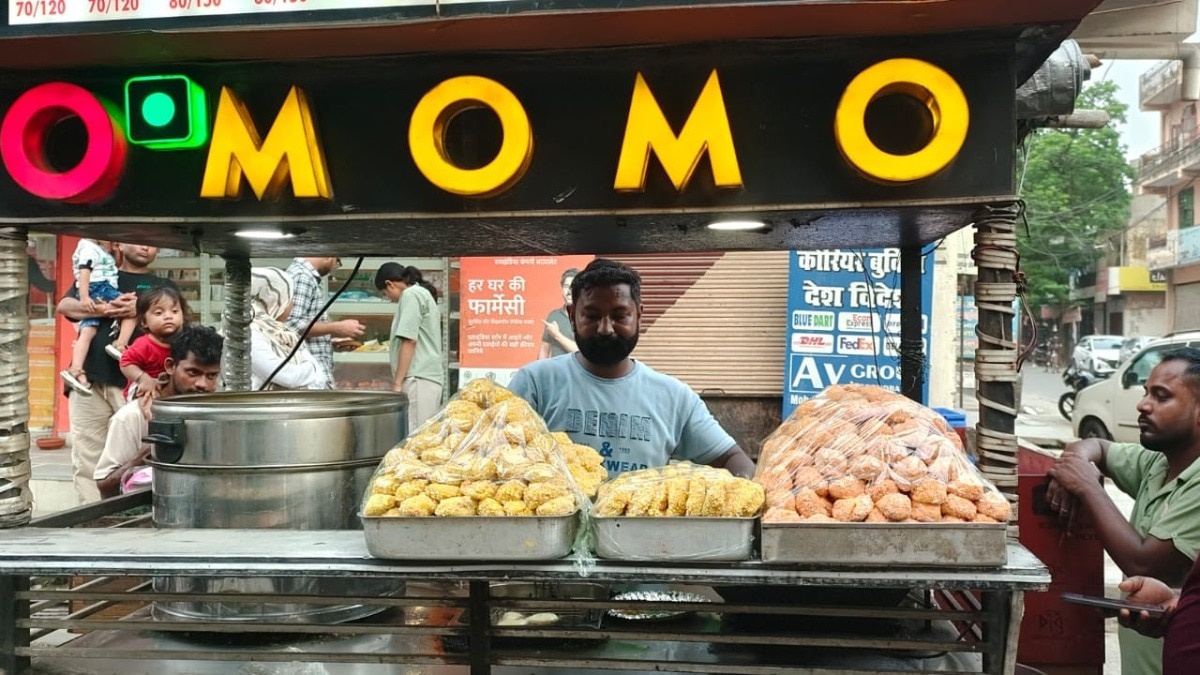
Government-backed financing has turned small ventures in Meerut into thriving enterprises. Rajkumar Thakur's momos factory and Mamta Garg's handicraft unit exemplify this shift.
Key Takeaways
- The Chief Minister Startup Scheme provides loans of ₹5‑10 lakh to nascent entrepreneurs.
- Central initiatives like Stand‑Up India empower women to become self‑reliant business owners.
- These programs have generated significant direct and indirect employment in Meerut.
Once known primarily for agriculture and traditional crafts, Meerut is now emerging as a prominent startup hub on the national map. The engine driving this transformation is the combined effort of Uttar Pradesh’s Chief Minister Startup Scheme and the central government’s Stand‑Up India programme. Beyond mere capital infusion, these schemes deliver technology access, skill training, and market‑linkage support to budding entrepreneurs.
Rajkumar Thakur’s Momos Journey
A few years back, Rajkumar Thakur, then a private‑sector employee, launched a modest momos stall with an initial investment of just ₹10,000. Hand‑crafted momos quickly gained a reputation for taste and quality, prompting orders from local eateries. Scaling up manually proved unsustainable, prompting Thakur to apply for assistance under the Chief Minister Startup Scheme. He secured a ₹5 lakh loan, which funded a modern automated momos‑making machine. Today, his factory churns out 6,000‑7,000 momos daily, offering 29 varieties across 30‑35 retail points in the city. The venture directly employs eight women and three men, while roughly 50 people benefit indirectly.
Mamta Garg’s Handicraft Enterprise
In a parallel story, widowed entrepreneur Mamta Garg turned a small training centre for women’s handicraft skills into a lucrative business. Fifteen years ago she began producing religious and decorative items—cradles for deities, thrones, Lakshmi and Ganesha idols, and festive décor. To meet rising demand she tapped the Stand‑Up India scheme, receiving a ₹10 lakh loan plus ₹1 lakh working‑capital support. The funds enabled bulk raw‑material purchase, equipment upgrades, and digital marketing. Currently, her operation supports about 25 women directly and many more through home‑based production, generating an annual turnover of roughly ₹32 lakh. Plans are afoot to open a second outlet in Delhi.
Wider Economic Impact
These two success stories illustrate how timely credit can unlock production capacity, diversify product lines, and open new distribution channels. Employment generation—especially for women—has been a tangible by‑product, reinforcing the social dimension of these schemes. Meerut’s growing cohort of young entrepreneurs now views government programmes as a viable pathway to scale their ideas.
Looking Ahead
Continued policy support, streamlined loan processes, and expanded access to technology and e‑commerce platforms could cement Meerut’s status as a model entrepreneurship ecosystem. If replicated across other districts, such schemes could catalyze a nationwide shift from job‑seeking to job‑creating economies.

