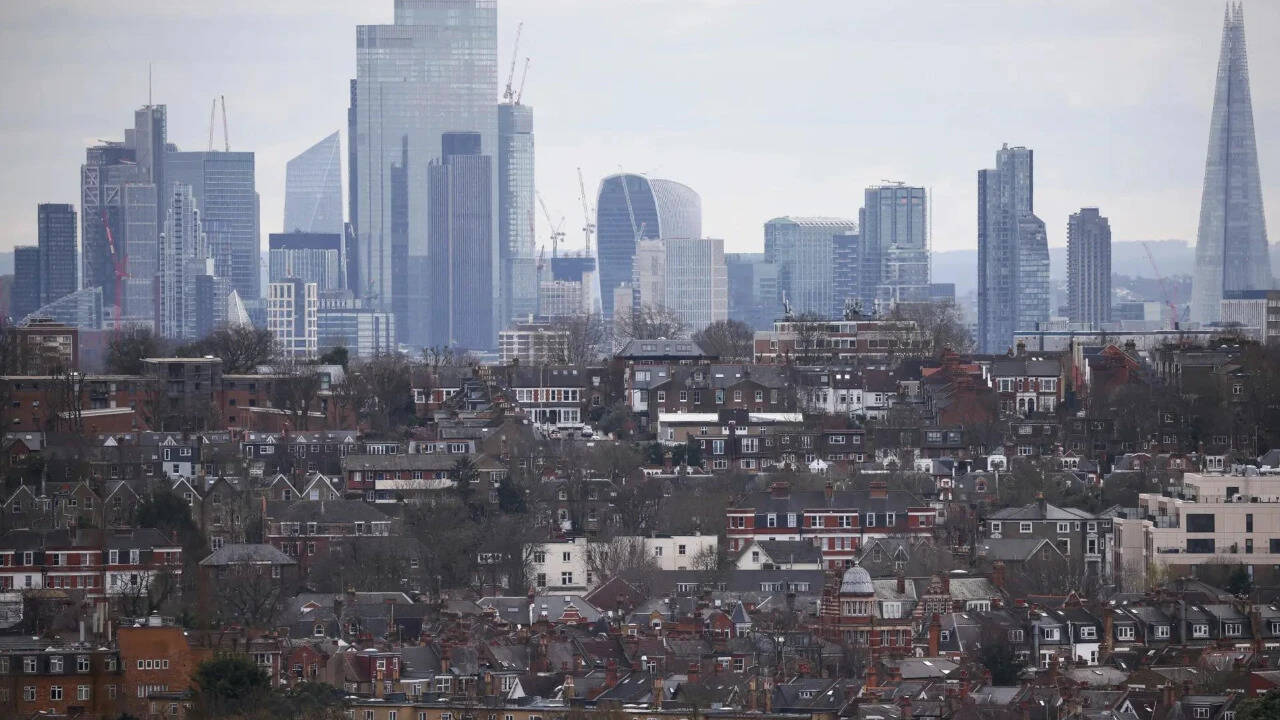
British property values are expected to remain flat for an extended period as soaring mortgage costs, geopolitical tensions and domestic political doubts dampen buyer enthusiasm. The market is set for a subdued summer, with recovery hinging on interest‑rate stability and a calmer global economy.
Key Takeaways
- Rising mortgage rates are curbing buyer demand
- Geopolitical conflicts and UK political uncertainty are weighing on confidence
- Stabilising interest rates and a healthier global outlook are essential for recovery
The United Kingdom’s housing market is no longer in a rapid‑growth phase; instead, analysts forecast a prolonged period of price stagnation. Latest figures from Nationwide and Zoopla show a marginal 0.2 % dip in average house values over the past two quarters, and most forecasters expect the flat trend to persist for at least the next six months.
High Mortgage Rates Squeeze Buyers
Since the Bank of England lifted its base rate to 5.25 %, mortgage lenders have priced home loans at 6 %–7 % APR. That translates into roughly a 15 % increase in monthly repayments compared with a year ago, pushing first‑time buyers—especially younger households—out of the market. While the 2008 financial crisis also saw high rates, the current environment is characterised by a prolonged, policy‑driven tightening that offers little relief.
Geopolitical Turbulence Dampens Sentiment
The ongoing Ukraine‑Russia war, volatile energy supplies from the Middle East, and a slowdown in China’s growth have together heightened risk aversion among investors. Commodity prices, notably construction materials and fuel, have risen by double‑digit percentages, inflating building costs by around 8 %. Consequently, cash flow for potential purchasers has tightened, further slowing transaction volumes.
Domestic Political Uncertainty Adds to Market Anxiety
Post‑Brexit Britain continues to grapple with policy ambiguity, and the approach of a national election has amplified market nervousness. Unclear directions on taxation, housing regulation and public‑spending priorities erode confidence, prompting lenders to tighten credit criteria. The resulting credit squeeze makes it harder for would‑be buyers to secure financing.
Pathways to Recovery
Should interest rates stabilise and the global economic backdrop improve, the housing sector could gradually regain momentum. Government incentives—such as stamp‑duty relief for first‑time buyers or temporary caps on mortgage‑interest rates—might revive demand. Yet these measures will only be effective if political signals become clear and geopolitical risks recede; otherwise, the stagnation could linger well beyond the summer months.