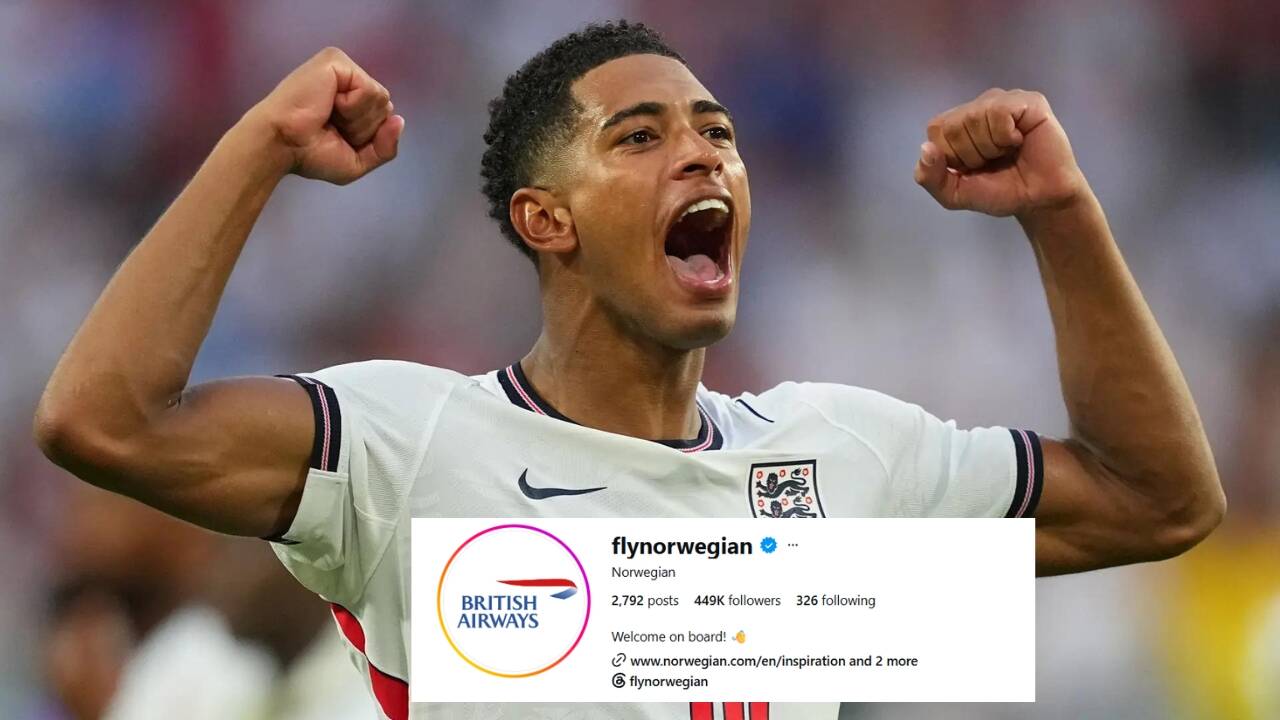
Following England’s loss, Norwegian Air replaced its Instagram logo with British Airways’ emblem in a bold marketing move. This article unpacks the strategy, industry context, and potential repercussions of the stunt.
Key Takeaways
- Norwegian Air displayed British Airways' logo on Instagram after England’s defeat
- The move was a tactical social‑media engagement to boost brand visibility
- Experts warn that such ‘trend‑hopping’ can both attract attention and risk brand confusion
Norwegian Air, a low‑cost carrier known for its pan‑European routes, recently made a striking alteration to its official Instagram profile: it swapped its own branding for the British Airways logo. The change coincided with England’s loss in a high‑profile football match, a moment that sent British fans into a wave of disappointment and meme‑driven commentary across social platforms.
Immediate Catalyst
When England fell short in the World Cup 2024 quarter‑finals, British supporters flooded Twitter, Instagram, and TikTok with jokes, sarcasm, and solidarity posts. Norwegian Air seized the moment, updating its Instagram bio and profile picture to feature the British Airways emblem, signaling—whether intentionally or playfully—that it was “standing with England” or simply riding the wave of public sentiment.
Strategic Elements of the Marketing Play
This maneuver falls under the umbrella of “jasmine marketing”—leveraging real‑time cultural events to amplify brand reach. Norwegian Air targeted three core benefits:
- Instant engagement: The post went viral, driving a surge in comments, shares, and follower growth.
- Brand awareness: By aligning with an iconic carrier like British Airways, Norwegian reminded audiences of its own international presence.
- Competitive differentiation: In a crowded low‑cost market, a bold, topical stunt can set an airline apart and attract potential travelers.
Implications for the Aviation Industry
Airline branding traditionally leans on long‑term consistency, yet the digital era demands agility. While some analysts applaud the move as innovative, others caution that abrupt logo changes can erode trust, especially if customers perceive the act as opportunistic rather than authentic.
Looking Ahead
Following the backlash, Norwegian Air issued a statement clarifying that the change was a “temporary social‑media experiment” and that its core brand identity remains unchanged. The carrier now faces the challenge of balancing rapid, trend‑driven marketing with the need to maintain long‑term credibility and passenger loyalty.
Overall, the episode highlights a shifting paradigm where airlines compete not only in the skies but also in the fast‑moving arena of social media trends—an arena where timing, relevance, and execution can redefine a brand’s narrative.