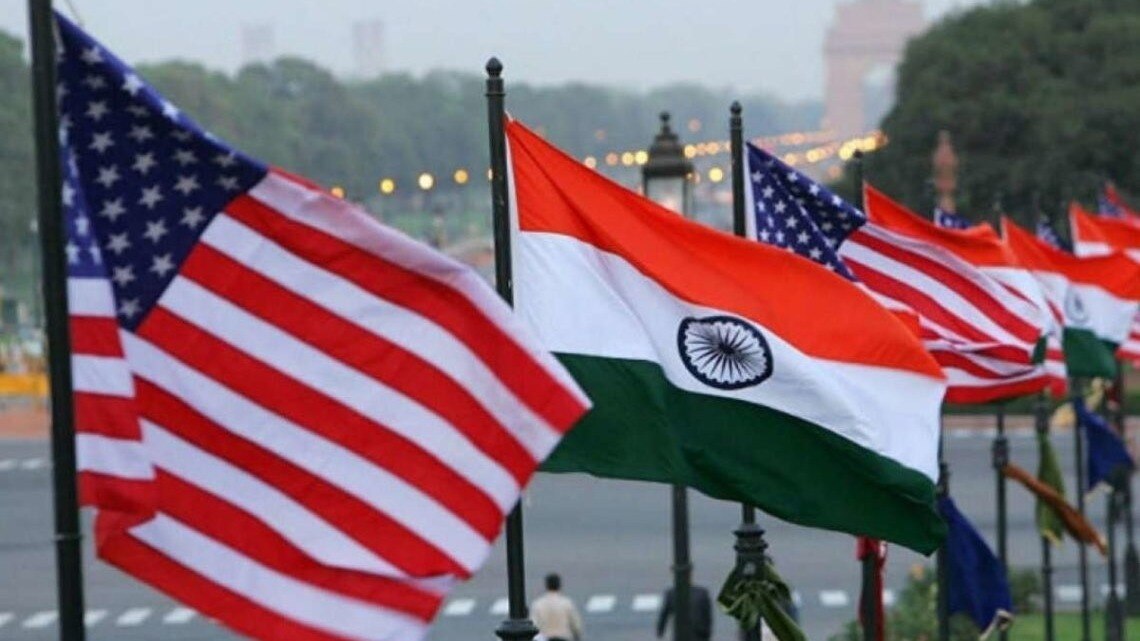
India and the United States are making solid progress in trade negotiations, even as tariff policies remain uncertain. Trade Secretary Rajesh Agrawal confirmed that the framework is set and will be signed when the timing is right.
Key Takeaways
- Framework for the trade deal is finalized and awaiting signature.
- U.S. Supreme Court ruling creates tariff policy uncertainty.
- India‑U.S. trade to be reshaped around comparative advantage.
New Delhi: Talks between India and the United States on a comprehensive trade agreement have reached a pivotal stage. Trade Secretary Rajesh Agrawal told reporters on Monday, “The framework deal is ready. Whenever it is the right time, it will be signed.” His statement signals a strong political will on both sides to conclude the deal.
Background and Current Landscape
In February 2026, the two nations agreed on an 18% tariff on Indian goods, conditioned on India lowering trade barriers and increasing purchases of American products. However, the U.S. Supreme Court’s decision to overturn former President Donald Trump’s sweeping global tariffs has clouded the finalization of the agreement.
Tariff Prospects
Following the court order, most Indian exports now face a standard 10% U.S. tariff—similar to the rate applied to many other countries. The current U.S. administration, however, is poised to impose steeper duties this month, especially targeting goods linked to forced‑labour allegations. Washington has already floated proposals for tariffs up to 12.5% on dozens of nations, including India.
Strategic Significance and Future Outlook
The prospective deal promises to boost bilateral economic growth and add stability to global supply chains. Agrawal emphasized, “We are ready to sign but deals are about comparative advantage. These preferences are versus some competitors and countries.” By cementing preferential treatment, the agreement could make Indian products more competitive in the U.S. market while expanding American access to India’s growing consumer base.
Analytical Perspective
If finalized, the pact would energize India’s “Make in India” initiative and provide U.S. firms with a larger foothold in a rapidly expanding market. Yet, lingering tariff uncertainty and political shifts in Washington remain risk factors, underscoring the need for continuous dialogue and flexibility.

