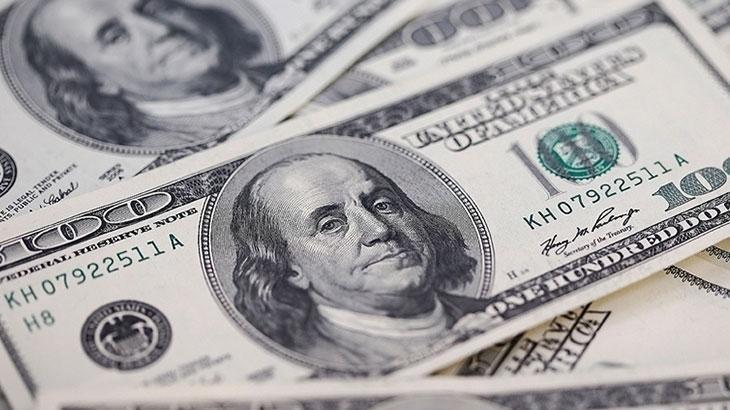
India and China are increasing the share of gold in their foreign‑exchange reserves while cutting exposure to US Treasuries, reflecting a new safety‑first approach amid geopolitical tension and inflation concerns.
Key Takeaways
- India cut US Treasury holdings by 22.5% in a year.
- Gold reserves rose 33.9%, with 77% now held domestically.
- China also trimmed US Treasury exposure, signaling a broader diversification trend.
In the past twelve months, India’s foreign‑exchange reserves saw a steep 22.5% decline in US Treasury holdings, falling from $232 billion in April 2025 to $181 billion in April 2026. The contraction mirrors a rapid rise in gold holdings, which have now become the world’s largest reserve asset.
Golden Revival: India’s Gold‑Centric Policy
The Reserve Bank of India has boosted its gold stock from 658 metric tonnes six years ago to roughly 881 tonnes today – a 33.9% surge. Between October 2025 and March 2026, more than 100 tonnes of gold were repatriated, pushing the domestic share of India’s gold reserves from 38% to 77%. Analysts cite security, lower storage costs, and protection from external shocks as key drivers.
China Follows Suit
China mirrors India’s shift, reducing its US Treasury portfolio from $743.6 billion to $651.1 billion – a 12.44% drop over the same period. The move, framed as risk diversification, aligns with Bloomberg reports that Chinese banks have been instructed to lower Treasury exposure.
Geopolitical Catalysts and Future Outlook
The Russia‑Ukraine war exposed the vulnerability of dollar‑denominated assets when sanctions freeze holdings. This experience has nudged central banks toward gold, a universally accepted, non‑sovereign store of value. Bank of Baroda’s chief economist Madan Sabnavis notes, “Gold belongs to no single nation, offering a safety net that Treasury bonds cannot.” Consequently, many central banks are rebalancing portfolios toward more resilient assets.
Rupee Internationalisation and Long‑Term Implications
Alongside gold purchases, India is actively promoting the rupee in cross‑border trade settlements and currency swap agreements, reducing reliance on the dollar. This dual strategy—gold accumulation and rupee internationalisation—aims to lower exposure to external policy shocks while enhancing monetary stability.