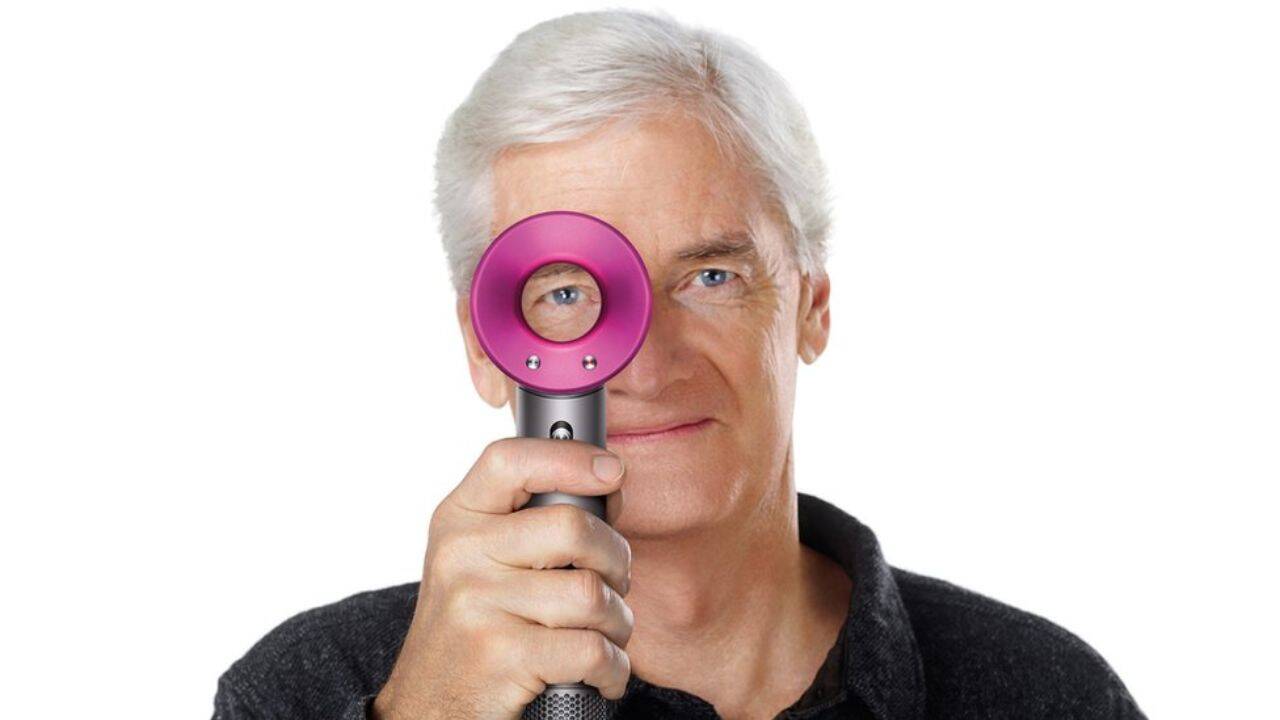
James Dyson endured 5,127 prototype failures before his bag‑less vacuum revolutionised the market and grew into a $20 billion global brand. This piece explores his relentless experimentation, design‑driven strategy, and the broader impact on industry and entrepreneurship.
Key Takeaways
- Dyson persisted through 5,127 unsuccessful prototypes before achieving market success.
- The Dyson Group reached a $20 billion valuation in 2023.
- Continuous R&D, design focus, and customer‑centric thinking propelled Dyson to industry leadership.
James Dyson, a British‑Irish inventor, is now the founder of one of the world’s most recognizable consumer‑technology brands. His journey began in the late 1970s when he set out to design a vacuum cleaner that eliminated the need for dust bags. Early attempts repeatedly failed – a total of 5,127 prototypes never made it to market.
Learning from Failure: The Power of Iteration
Dyson treated each setback as data, refining aerodynamics, motor durability, and integrated filtration with every iteration. This relentless cycle culminated in 1983 with the launch of the first successful “Dyson Bagless” vacuum, a product that instantly disrupted the industry and established a new standard for performance.
Diversification Beyond Vacuums
The triumph was not confined to vacuums. In the 1990s Dyson invested heavily in aeronautical engineering, spawning technologies such as digital motor design and air‑blade fan systems. The 2000s saw the rollout of the Supersonic hair dryer, lighting solutions, and hand‑drying devices – each praised for their distinctive design and engineering excellence.
Global Expansion and Economic Impact
By 2023 the Dyson Group’s valuation topped $20 billion, with over 70 % of revenue generated from the Asia‑Pacific region. Manufacturing hubs in the UK, Singapore, Malaysia, and India have created thousands of jobs and elevated local technical expertise. Moreover, Dyson’s “Dyson University” initiative offers hands‑on education to budding engineers, reinforcing an ecosystem of continuous innovation.
Future Outlook: AI and Robotics
Dyson is now channeling resources into artificial intelligence and robotics, aiming to make household appliances smarter and more energy‑efficient. He often says, “Failure is just a data point; true success comes when you turn that data into creative solutions.” This philosophy not only underpins his corporate strategy but also serves as a blueprint for modern entrepreneurs seeking sustainable growth.

