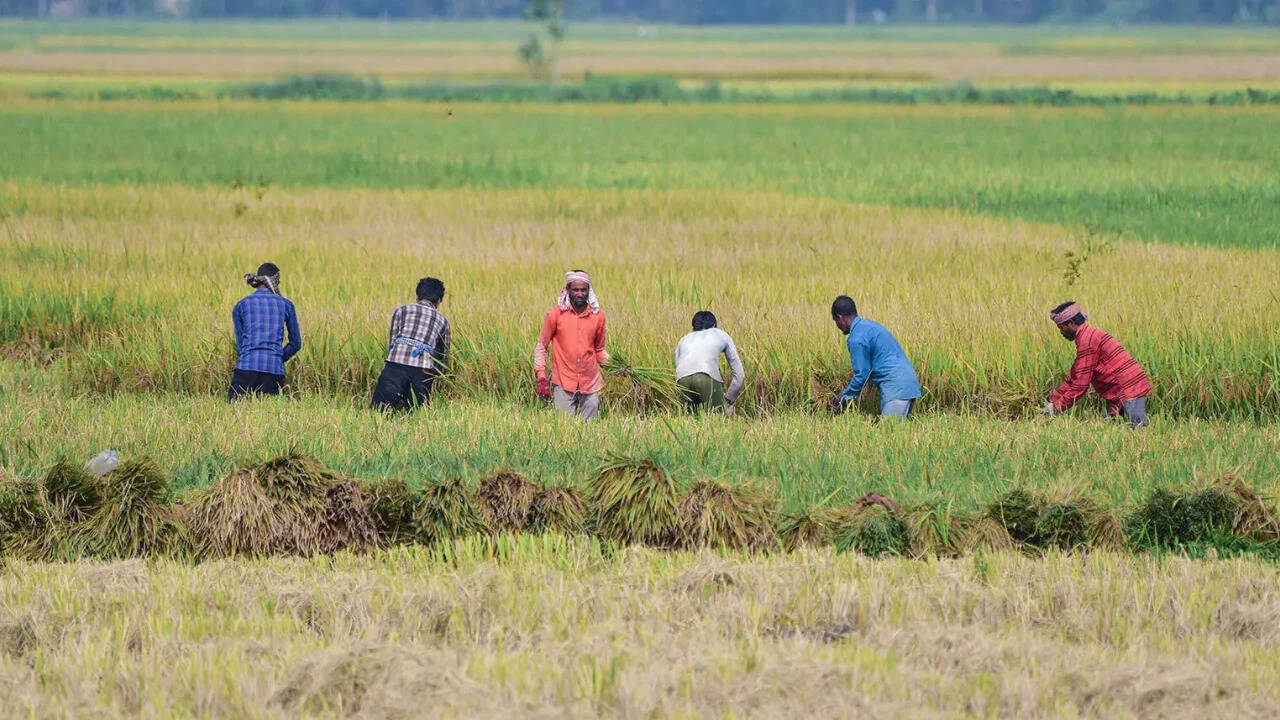
India's total kharif sown area fell by 16% as of last Friday, while sugarcane acreage rose thanks to growing ethanol demand. Pulses, cereals and oilseeds recorded the steepest declines, highlighting farmers' shift toward cash crops for better market returns.
Key Takeaways (मुख्य बिंदु)
- Total kharif area shrank by 16%
- Sugarcane area rose to 5.75 million hectares, driven by ethanol demand
- Pulses and coarse cereals fell over 20%, widening income gaps
New Delhi – According to data released by the Ministry of Agriculture on July 10, the total area under kharif (summer‑sown) crops this year is 16% lower than the same period in 2025. This is the sharpest decline recorded in recent years and raises concerns about the upcoming harvest’s volume and quality.
Ethanol’s Role in Reviving Sugarcane
Despite the overall contraction, sugarcane stands out as an exception. The crop’s sown area reached 5.75 million hectares (Mha), surpassing last year’s 5.67 Mha and the five‑year average of 5.42 Mha. The government’s push for ethanol‑blended fuel (E20) has turned sugarcane into a lucrative cash crop, offering farmers a reliable income stream amid erratic monsoon patterns.
Sharp Declines in Other Crops
Pulses, coarse cereals (millets and maize), oilseeds, cotton and rice all saw significant reductions – 23%, 22%, 21%, 15% and 9% respectively. The drop is largely attributed to water‑stress caused by a weak monsoon, prompting farmers to abandon water‑intensive crops in favor of higher‑return alternatives.
Cash Crops Over Diversification
Market‑driven decisions are evident as growers continue to favor cash crops such as sugarcane, jute and mesta, which command better prices. This trend not only bolsters the government’s ethanol agenda but also helps curb India’s fuel import bill. However, the continued neglect of millet and other low‑water‑use cereals raises long‑term sustainability questions.
Looking Ahead
If water‑management policies do not improve, the kharif acreage could shrink further in subsequent seasons. Conversely, a well‑managed expansion of ethanol‑linked sugarcane could enhance energy security and rural incomes. Experts stress that a balanced approach—combining efficient irrigation, crop diversification, and strategic ethanol incentives—is essential for a resilient agricultural sector.