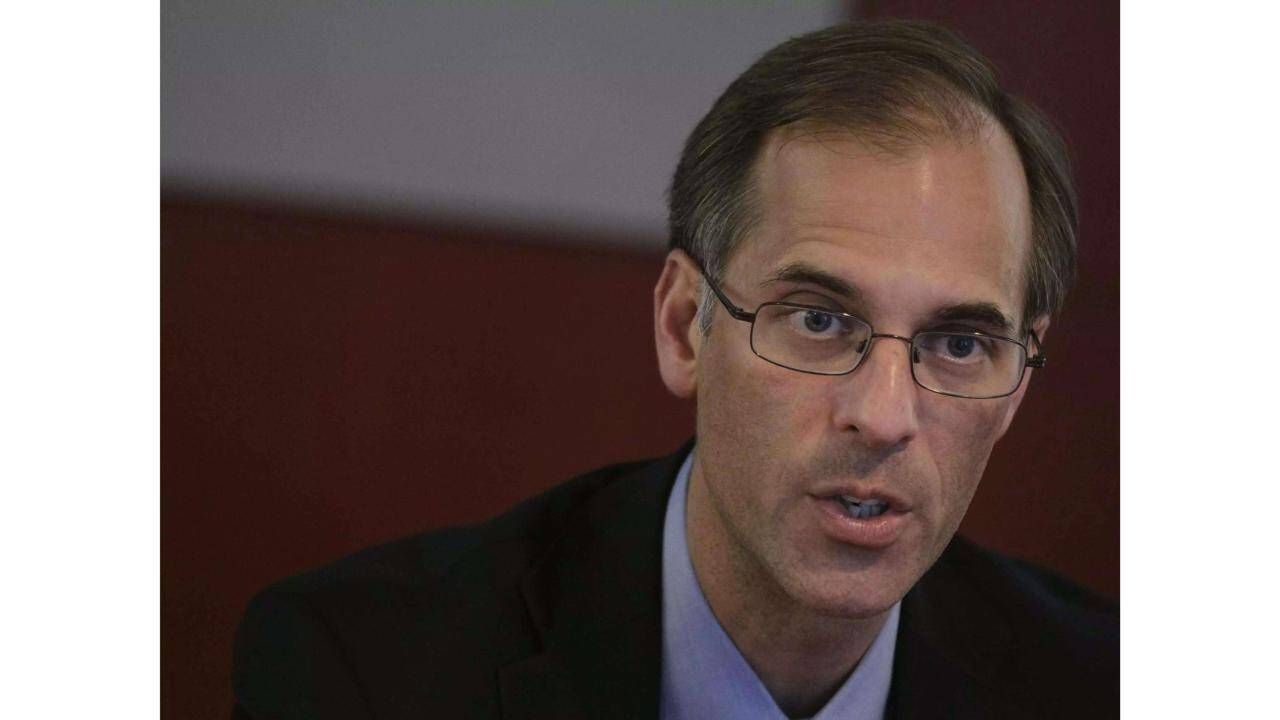
Moody’s chief economist Mark Zandi warned that the June 2026 US jobs report paints an overly rosy picture. He highlighted modest payroll gains, a sharp drop in labor‑force participation, and his “vicious‑cycle” metric showing unemployment above 5% as key warning signs.
Key Takeaways (मुख्य बिंदु)
- June payroll added only modest jobs, largely confined to healthcare.
- Declining labor‑force participation makes the falling unemployment rate misleading.
- Zandi’s adjusted “vicious‑cycle” measure pushes unemployment above 5%.
Overall Picture of the June Jobs Report
Mark Zandi, chief economist at Moody’s Analytics, took to X (formerly Twitter) to argue that the June 2026 US employment report is far more fragile than headline numbers suggest. While the headline unemployment rate nudged lower, it did so against a backdrop of a steep decline in labor‑force participation, masking the true health of the labour market.
Payroll Survey – Limited Growth
Zandi pointed out that the payroll (non‑farm payroll) survey recorded a gain of just about 150,000 jobs, and that the bulk of those positions came from the healthcare sector. Earlier months’ gains have been revised downward, erasing much of the earlier optimism. The concentration of hiring in a single sector raises questions about the breadth of the recovery.
Household Survey – A Persistent Drop
The household survey, which tracks employment from the perspective of workers, showed another sharp decline, a trend that has persisted throughout the year. Participation rates have fallen across most demographic groups, especially among workers younger than 35. Zandi warned that the declining participation rate, not a genuine surge in hiring, is the primary driver behind the lower unemployment headline.
Adjusted Unemployment – The “Vicious‑Cycle” Measure
To address the participation bias, Zandi highlighted his “vicious‑cycle” metric, which adjusts the unemployment rate for the long‑term trend in labor‑force participation. According to this measure, June’s adjusted unemployment rate rose above 5%. In other words, without the sharp drop in participation, the true unemployment level would be well over the 5% mark – a figure that policymakers cannot afford to ignore.
Broader Economic Commentary
Other economists echoed Zandi’s concerns. Laura Ullrich of Indeed Hiring Lab suggested that the participation decline may reflect a shrinking pool of available workers rather than weaker demand for labour. Meanwhile, ARK Invest’s Cathie Wood called the report “weird,” urging analysts to rely more on private‑sector data to gauge labour market health. The diverging views underscore a growing consensus: headline unemployment numbers alone are insufficient for policy decisions.