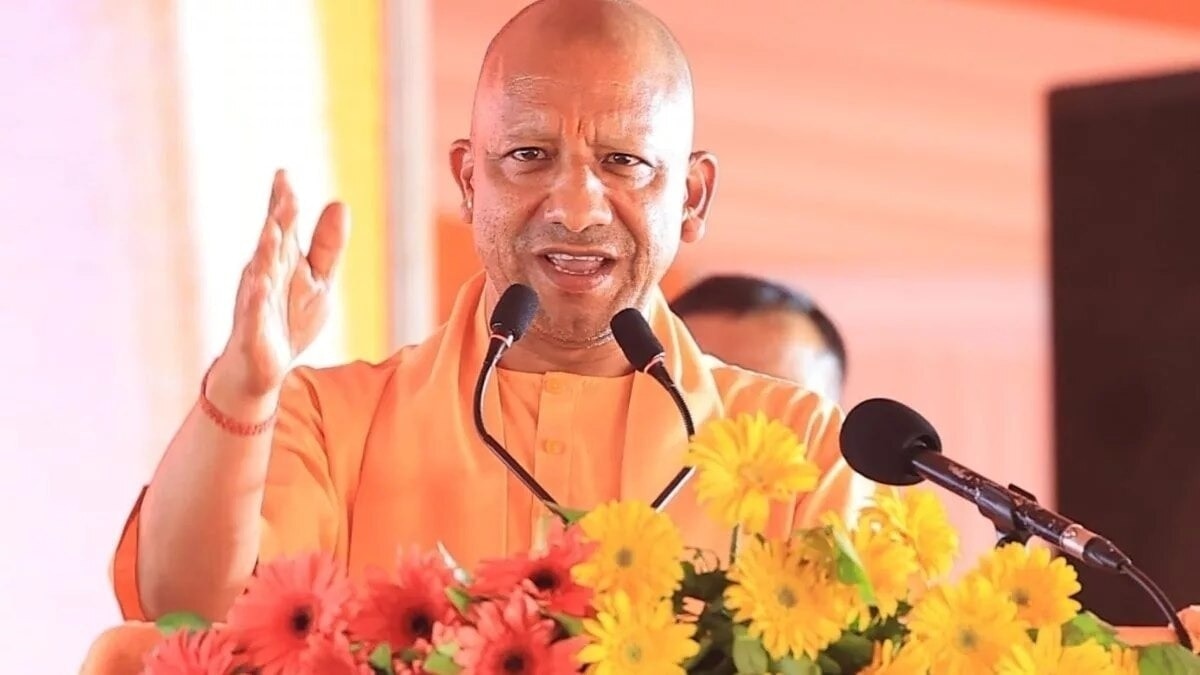
The Uttar Pradesh government has overhauled its MSME Promotion Policy, offering higher capital subsidies, interest rebates and a single‑window portal to attract investors and create jobs across the state. The move targets under‑developed regions and aims to balance industrial growth beyond traditional hubs.
मुख्य बिंदु (Key Takeaways)
- Up to 25% capital subsidy for enterprises in Bundelkhand and Purvanchal
- Additional 2% incentive for women and SC/ST entrepreneurs
- Single‑window MSME1Connect portal simplifies applications
The Uttar Pradesh MSME Promotion Policy, first launched in 2017 and refreshed in 2022, has been further expanded in 2026 under Chief Minister Yogi Adityanath's administration. Covering roughly 90 lakh MSME units — about 14 % of India's estimated 6.33 crore MSMEs — the revised framework seeks to spur fresh investment, fortify existing businesses, and generate sustainable employment across the state.
Targeted subsidies to bridge regional gaps
Recognising the uneven industrial landscape, the policy earmarks higher capital subsidies for enterprises located in less‑developed zones such as Bundelkhand and Purvanchal, offering up to 25 % support. In contrast, firms in Madhya‑ and Paschimanchal qualify for subsidies ranging from 10 % to 20 %. This regional differentiation is designed to push industrial activity beyond the traditional manufacturing belt of western Uttar Pradesh.
Special incentives for women and marginalized groups
Women entrepreneurs and businesses owned by Scheduled Caste (SC) and Scheduled Tribe (ST) members receive an extra two‑percent incentive, reinforcing the state's commitment to inclusive growth. Micro‑enterprises also benefit from interest subsidies that reimburse up to 50 % of the interest on eligible term loans for a maximum of five years, capped at ₹25 lakh per unit.
Streamlined access through MSME1Connect
To reduce bureaucratic friction, the government has integrated the entire application workflow into the MSME1Connect portal. Entrepreneurs can submit subsidy requests, track status, and complete verification online, eliminating the need for multiple departmental clearances and accelerating fund disbursement.
Broader economic implications
Traditional sectors such as handicrafts, carpet weaving, processed foods, engineering goods and ready‑made garments stand to gain from improved competitiveness and expanded market access. By coupling financial incentives with infrastructure support—like 50 % interest subsidies for projects in approved MSME parks—the policy aims to transform Uttar Pradesh into a diversified manufacturing hub, potentially reshaping the state's contribution to India's overall industrial output.