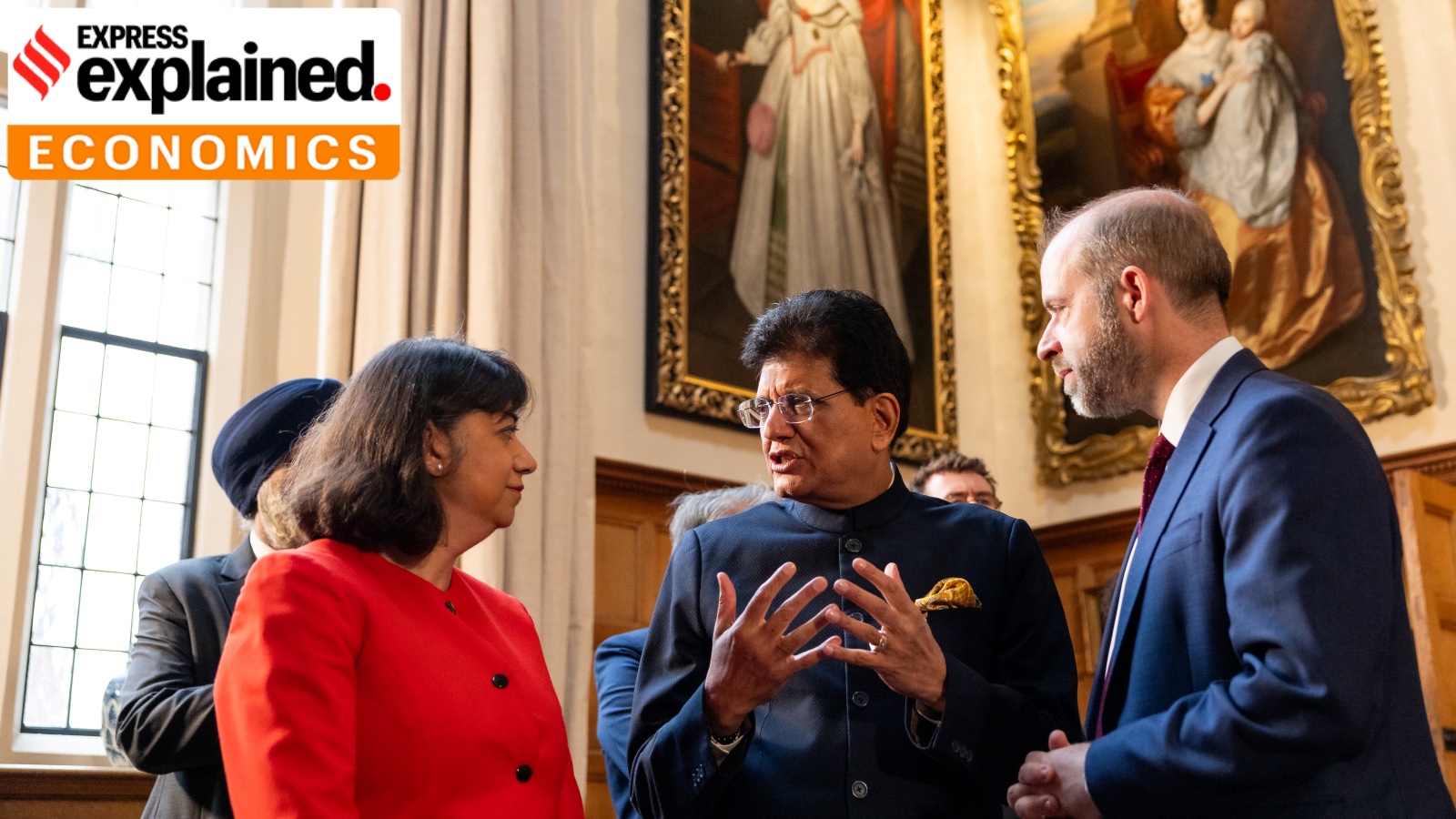
The landmark India-UK Free Trade Agreement has officially come into effect, marking a transformative era for bilateral trade and consumer markets.
Key Takeaways
- The India-UK FTA is India's first comprehensive trade deal with a developed nation, setting a precedent for future EU negotiations.
- Significant tariff reductions on British luxury goods, including cars and Scotch whisky, will benefit Indian consumers.
- Indian sectors like textiles, gems, jewelry, and footwear are poised for massive export growth in the UK market.
- Indian professionals in the UK will receive significant relief regarding social security contributions.
In an era of fracturing global trade orders, the India-UK Free Trade Agreement (FTA) officially came into force this Wednesday. Negotiated over a rigorous four-year period amidst political shifts in London, this deal represents India's first major comprehensive agreement with a developed economy. Beyond bilateral benefits, it establishes a strategic framework that will likely guide India's upcoming trade negotiations with the European Union (EU).
A Win for Consumers: Luxury Goods Become Affordable
For the Indian consumer, the FTA promises a significant reduction in the cost of premium imports. In a historic move, India has offered major concessions on imported automobiles and alcoholic beverages. British cars, which previously faced tariffs as high as 110%, will see duties slashed to 30% in the first year, eventually dropping to a mere 10% by the fifth year. Similarly, the tax on British Scotch whisky will see a phased reduction from 150% down to 40% over the next decade, opening up one of the world's fastest-growing spirits markets to UK exporters.
Boosting India's Manufacturing and Export Powerhouse
The agreement is a massive boost for India's labor-intensive sectors. The textile industry, currently facing 10% tariffs in the UK, will now compete on a much more level playing field with nations like Bangladesh. Furthermore, the UK has eliminated duties on Indian gems and jewelry (previously up to 12%) and footwear (previously up to 16%). In the heavy industry sector, the deal is expected to propel India's iron and steel exports from $850 million to well over the $1 billion mark, thanks to newly allocated quotas in the UK.
Streamlining Customs and Professional Mobility
To reduce bureaucratic friction, India has introduced a 'self-declaration of origin' system for UK exporters—a first in an Indian FTA. This move aims to expedite shipping and reduce reliance on traditional, slow-moving certification processes, aligning with New Delhi's broader goal of diversifying supply chains away from China and ASEAN nations. Additionally, the deal provides a massive relief for 75,000 Indian professionals and nearly 900 firms by exempting them from UK National Insurance contributions for a period of five years.
Navigating Future Hurdles
While the deal is a triumph, it is not without complexities. A significant victory for India is that the labor and environmental chapters remain non-binding, preventing these issues from becoming non-tariff barriers. However, the upcoming Carbon Border Adjustment Mechanism (CBAM) in the UK remains a looming challenge, as Indian exporters of carbon-intensive goods may still face costs that were not fully mitigated by this agreement.