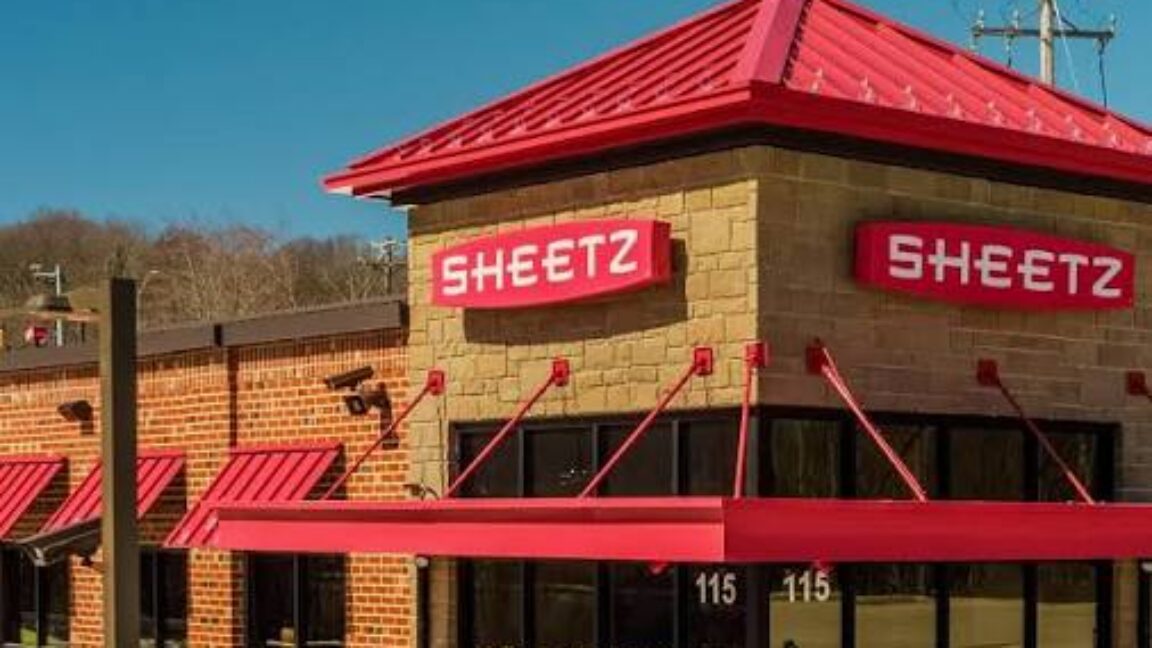
U.S. convenience‑store chain Sheetz is retiring VMware across its 838 locations in favor of StorMagic’s SvHCI platform. The move, driven by Broadcom‑related uncertainty, aims to complete migration within four months and transition roughly 11,000 virtual machines.
मुख्य बिंदु (Key Takeaways)
- Sheetz begins migration of 838 stores from VMware to StorMagic.
- 12‑14 VMs per store are being shifted, targeting about 11,000 VMs total.
- Broadcom’s uncertainty accelerates the timeline; full migration expected in four months.
U.S. convenience‑store chain Sheetz announced a sweeping migration of its 838 outlets from VMware virtualization to StorMagic’s SvHCI solution. The decision follows growing “too much uncertainty” surrounding Broadcom’s ownership of VMware, prompting Sheetz to seek a more predictable infrastructure partner.
Background
Since 2019, each Sheetz location has run two Dell R440/R450‑series servers hosting VMware vSphere workloads. While the setup delivered reliable point‑of‑sale performance, Broadcom’s acquisition of VMware introduced licensing and roadmap ambiguities that threatened long‑term stability.
Migration Details
According to Scott Robertson, infrastructure team manager, each store is transitioning 12‑14 virtual machines (VMs) from VMware to StorMagic’s hyper‑converged platform. An additional two VMs per store will be upgraded from Windows 10 to Windows 11 over the coming months. The company’s latest statement says more than 600 stores have already been migrated, averaging 200 locations per month.
Strategic Implications
The shift offers Sheetz three clear advantages: (1) detachment from Broadcom’s unpredictable policy environment, (2) cost‑effective scalability via StorMagic’s cloud‑native HCI, and (3) smoother adoption of future OS upgrades such as Windows 11. By moving roughly 11,000 VMs, Sheetz expects to lock in predictable operating expenses and reduce reliance on a single vendor.
Future Outlook
Sheetz aims to finish the migration across all 838 stores within the next four months, minimizing operational disruption while enhancing resilience. Industry analysts predict that this high‑profile migration will prompt other retail chains to reassess their virtualization strategies, especially as major tech consolidations continue to generate uncertainty.

