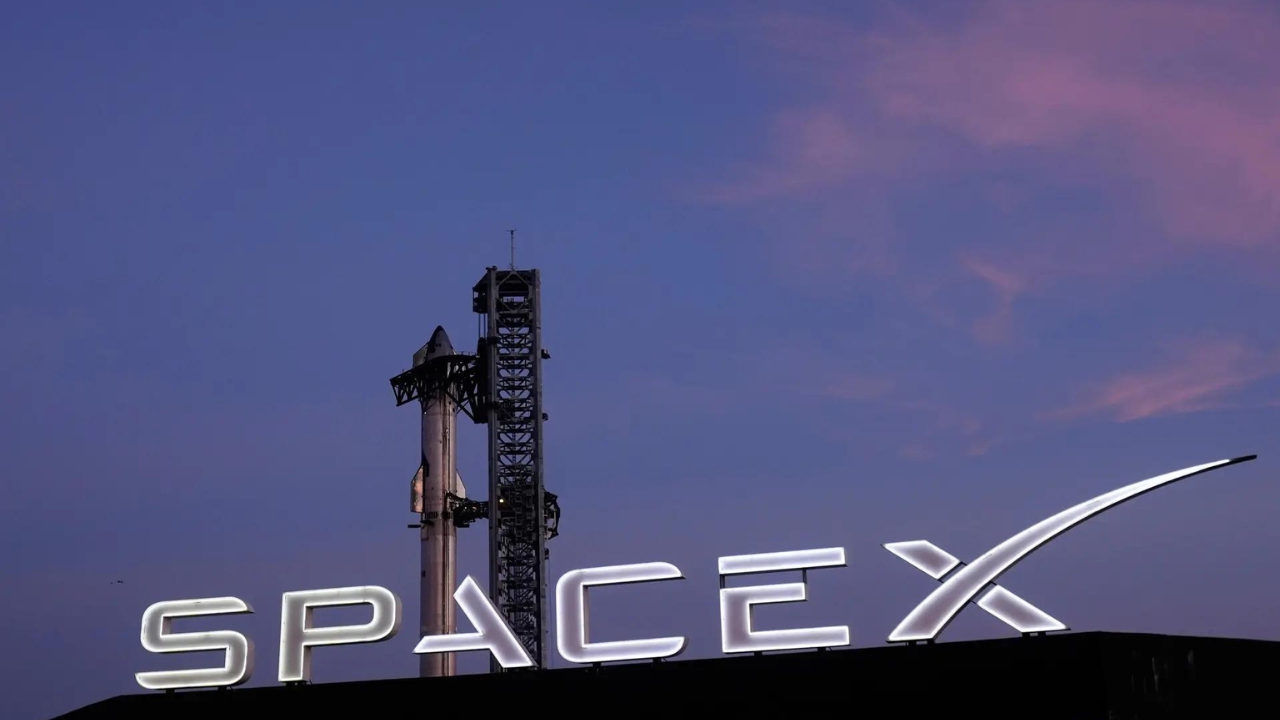
SpaceX shares have slipped below their initial public offering price for the first time, reflecting a cooling of investor enthusiasm amid macroeconomic shifts. Market analysts cite interest rate concerns and AI volatility as primary drivers.
Key Takeaways
- SpaceX shares have dropped below their IPO valuation for the first time.
- Economic factors like interest rate uncertainty and AI sector volatility are driving the decline.
- Investors are closely monitoring the upcoming first quarterly earnings report.
- The expiry of the IPO lock-up period and Starship test flights are critical upcoming milestones.
In a significant shift for the aerospace giant, SpaceX shares have fallen below their initial public offering (IPO) price for the first time since listing. This downturn has effectively wiped out the gains witnessed by investors shortly after the company went public, signaling a cautious shift in market sentiment toward high-growth, capital-intensive industries.
Macroeconomic Headwinds and Market Sentiment
Financial analysts suggest that the decline is not an isolated incident but a reflection of broader market trends. Persistent concerns regarding interest rate trajectories have made investors more sensitive to valuation models that rely heavily on future cash flows. Furthermore, the recent volatility observed in Artificial Intelligence (AI) stocks has triggered a rotation in investor portfolios, moving capital away from speculative growth sectors into more defensive positions.
Critical Financial Milestones Ahead
The scrutiny on SpaceX is set to intensify as the company prepares to release its first quarterly earnings report as a publicly traded entity. This report will be a litmus test for the company's operational efficiency and its ability to convert ambitious engineering milestones into sustainable revenue streams. Additionally, the upcoming expiry of the IPO lock-up period poses a potential supply-side risk, as early investors and insiders may seek to liquidate their holdings, potentially putting further downward pressure on the stock price.
The Intersection of Technology and Finance
Despite the financial turbulence, SpaceX's core mission remains focused on rapid technological advancement. The success or failure of upcoming Starship test flights will serve as a non-financial catalyst for the stock. While the market currently focuses on balance sheets and interest rates, the long-term valuation of SpaceX remains deeply tethered to its ability to dominate the launch services market and execute its interplanetary ambitions. Investors are now caught in a tug-of-war between technical potential and macroeconomic reality.

