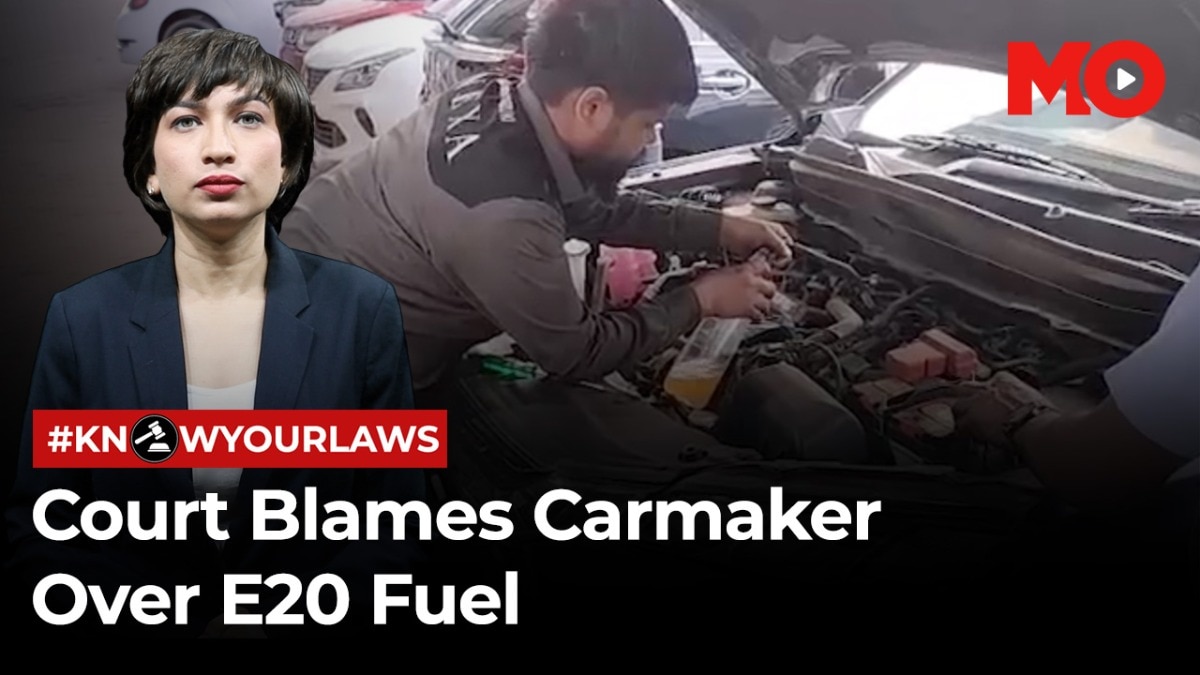
Following extensive damage caused by the new E20 fuel blend, Delhi's consumer court has mandated Maruti Suzuki to replace the affected vehicle entirely. The ruling underscores the broader ramifications of India's fuel transition on the automotive sector.
मुख्य बिंदु (Key Takeaways)
- Maruti Suzuki ordered to replace vehicle damaged by E20 fuel.
- Court mandates full refund and provision of a comparable replacement car.
- Case highlights the need for manufacturers to adapt to E20 fuel nationwide.
Delhi’s Consumer Court has issued a landmark judgment compelling Maruti Suzuki to replace a customer’s car after the vehicle suffered severe operational failures when run on the newly introduced E20 fuel blend (20% ethanol, 80% gasoline). The decision marks a pivotal moment for the Indian automotive industry, which is navigating the transition to greener fuels while safeguarding consumer rights.
Case Background
The dispute began when a Maruti owner reported repeated engine stalls, ignition glitches, and fuel‑system fouling after refueling with E20 in early 2023. Despite the customer’s detailed complaints, Maruti initially offered limited repairs and a modest reimbursement, prompting the owner to file a petition in the consumer court.
Court’s Ruling
Judging that Maruti had failed to demonstrate that its vehicles were fully compatible with the E20 blend, the bench held the manufacturer liable for the damage. Consequently, the court ordered Maruti to provide a brand‑new, like‑for‑like vehicle and to cover any ancillary expenses incurred by the consumer.
National Significance of E20 Fuel
India’s push to roll out E20 fuel nationwide, announced in 2023, aims to reduce dependence on pure gasoline and cut carbon emissions. However, the shift demands that automakers retrofit engines and fuel‑system components to handle higher ethanol concentrations. The Maruti case serves as a litmus test for how well the industry is prepared for this policy shift.
Implications for the Auto Industry
Beyond Maruti, the ruling sends a clear message to all vehicle manufacturers: non‑compliance with E20 specifications could trigger similar consumer litigation and costly replacements. Regulators may also tighten certification protocols, mandating rigorous pre‑launch testing for ethanol‑compatible models. In the long run, the decision could accelerate the development of more robust, ethanol‑friendly powertrains across the market.


