As critics claim ethanol-blended petrol is damaging engines and reducing mileage, the Petroleum Ministry asserts the program is backed by rigorous scientific trials and international standards.
Key Takeaways
- The Petroleum Ministry refuted claims of engine corrosion and mileage drops, citing extensive field trials.
- Studies by ARAI and the Indian Institute of Petroleum confirmed material compatibility.
- The program has saved India over ₹1.9 lakh crore in foreign exchange and supported farmers with ₹1.6 lakh crore in payments.
- Opposition leader Arvind Kejriwal plans to write to PM Modi, calling the policy an 'experiment' on the public.
The debate surrounding ethanol blending in petrol has intensified in India, pitting government economic and environmental goals against growing consumer anxieties. Amid widespread social media reports alleging that blended fuel corrodes engine components and significantly reduces mileage, the Union Ministry for Petroleum and Natural Gas has issued a formal clarification to debunk these assertions.
Rigorous Testing and Global Alignment
In a detailed note, the Ministry emphasized that the blending program is not an experimental leap but is aligned with international best practices seen in nations like Japan, Canada, the U.S., and Brazil. The government highlighted that the Automotive Research Association of India (ARAI), along with the Indian Institute of Petroleum and Indian Oil, conducted exhaustive studies. These trials included running cars for 40,000 km and two-wheelers for 20,000 km to ensure that the ethanol blend does not compromise metal or plastic compatibility within the engine.
Economic Impact and Energy Security
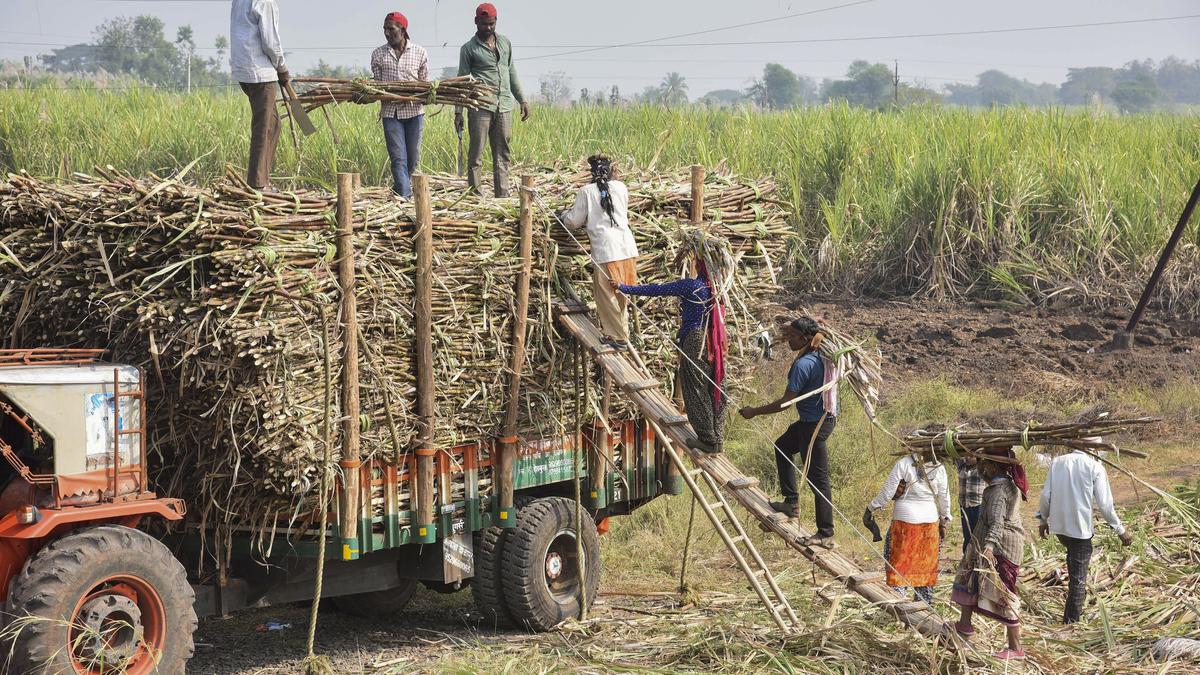
Beyond technicalities, the government views ethanol blending as a cornerstone of India's energy security. By substituting 310 lakh metric tonnes of crude oil imports, the initiative has significantly reduced the nation's dependency on foreign oil. The economic benefits are twofold: it has facilitated payments of over ₹1.6 lakh crore to farmers (primarily sugarcane growers) and saved the exchequer more than ₹1.9 lakh crore in foreign exchange. Furthermore, the high octane rating of ethanol is being marketed as an advantage for high-performance internal combustion engines.
Political Friction and Public Backlash
Despite the government's technical assurances, the political backlash is mounting. Arvind Kejriwal, leader of the Aam Aadmi Party (AAP), has accused the administration of treating the country as an 'experiment lab.' He claimed that the mandatory imposition of blended fuel is causing vehicles to break down and is causing widespread public anger. Kejriwal has announced his intention to escalate the matter by writing directly to Prime Minister Narendra Modi. Adding to the pressure, political commentators have called for protests, demanding that citizens be given the choice between pure petrol and blended alternatives.