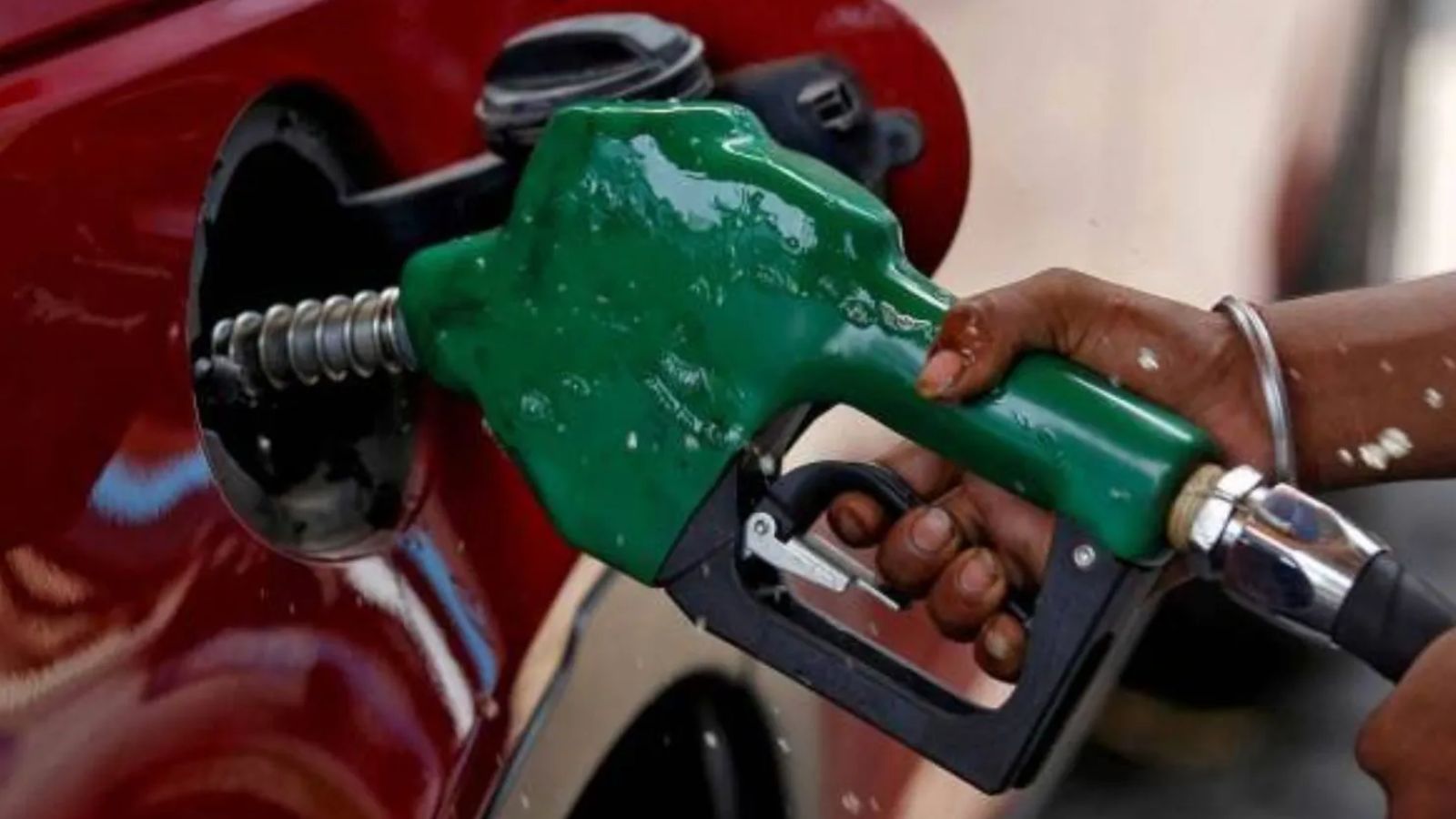
The Indian government has sharply increased the Special Additional Excise Duty (SAED) on diesel and aviation turbine fuel (ATF) exports to ₹15.5 and ₹14.5 per litre respectively, while reducing the levy on petrol exports to ₹2.5 per litre.
Key Takeaways
- Windfall tax (SAED) on diesel export hiked from ₹8.5 to ₹15.5 per litre.
- ATF export tax increased to ₹14.5 per litre, while petrol export levy cut to ₹2.5 per litre.
- Fortnightly revisions aim to curb super-normal exporter profits and ensure domestic supply amid West Asia tensions.
The Indian government has enforced a significant revision in the Special Additional Excise Duty (SAED) on petroleum exports, effective July 16, 2026. This move, executed through a notification from the Union Finance Ministry, sees a steep hike in windfall gains tax on diesel and aviation turbine fuel (ATF), while offering a marginal reduction on petrol export levies.
Specific Tariff Adjustments Detailed
Under the updated tax structure, the SAED on diesel exports has been elevated from ₹8.5 per litre to ₹15.5 per litre. Similarly, the windfall tax on ATF exports has experienced a sharp upward adjustment, rising to ₹14.5 per litre from the earlier rate of ₹7.5 per litre. Conversely, in a bid to ease pressure on certain export channels, the government slashed the export duty on petrol to ₹2.5 per litre from ₹4 per litre.
Geopolitical Context and Market Volatility
The rationale behind these bi-weekly adjustments lies in the volatile geopolitical landscape of West Asia. Since the escalation of regional conflicts, global crude oil prices have witnessed sharp fluctuations. The windfall tax, originally introduced in July 2022, serves as a crucial regulatory mechanism to prevent domestic oil producers and refiners from harvesting "super-normal profits" by exporting fuel to high-priced international markets while neglecting the domestic supply chain.
No Change in Domestic Consumption Rates
Crucially, the Finance Ministry clarified that these export-oriented tax revisions will have no bearing on the retail prices of petrol and diesel cleared for domestic consumption. Union Minister Hardeep Singh Puri previously noted that domestic fuel price relief for Indian consumers is contingent upon cheaper crude oil consistently reaching Indian refiners. By disincentivizing exports of critical fuels like diesel and ATF, the government ensures that domestic fuel pumps remain adequately stocked, preventing localized energy shortages.
Impact on Private Oil Refiners
Major private refiners such as Reliance Industries Limited (RIL) and Nayara Energy, which are significant exporters of refined petroleum products to European and Asian markets, will feel the immediate financial impact of these hiked duties. While the reduction in petrol export duty offers a minor cushion, the steep hikes on diesel and jet fuel are bound to squeeze export margins, forcing refiners to recalibrate their short-term trading strategies.