A prospective trade pact with the United States could boost Indian exports, yet the unpredictable policy climate in Washington demands careful navigation. New tariff proposals, forced‑labour clauses, and energy sanctions together reshape India's economic strategy.
Key Takeaways
- India is reviewing USTR's proposed tariffs and seeking adjustments.
- USTR's investigations into forced labour and excess manufacturing capacity could affect future duties.
- U.S. sanctions on Russian energy and the LPG import deal highlight India's need to diversify energy sources.
A comprehensive trade agreement with the United States—the world’s largest economy—offers a pathway to reduce the lingering uncertainty in Indo‑American relations while expanding bilateral commerce. However, realizing this potential requires deft handling of new tariff regimes and policy shifts emanating from an often‑unpredictable White House.
USTR Tariff Proposals and India's Response
The U.S. Trade Representative (USTR) has invoked Section 301 to threaten tariffs on 60 countries, including a 12.5 % levy on Indian goods. New Delhi has formally requested a detailed review, citing inconsistencies in the underlying assessments. Meanwhile, the Trump administration’s Section 122‑based 10 % universal tariff, set to expire on July 24, underscores the urgency for India to craft alternative strategies.
Forced‑Labour Clause and Capacity Investigations
In a move mirrored by Indonesia, Canada, Cambodia and Peru, the United States has added a forced‑labour provision to its foreign‑trade policy. India has pledged compliance, yet the USTR is also probing “structural excess capacity” in manufacturing sectors worldwide. Should this inquiry result in additional duties, Indian exporters could face heightened barriers.
Energy Sanctions and India's Diversification Efforts
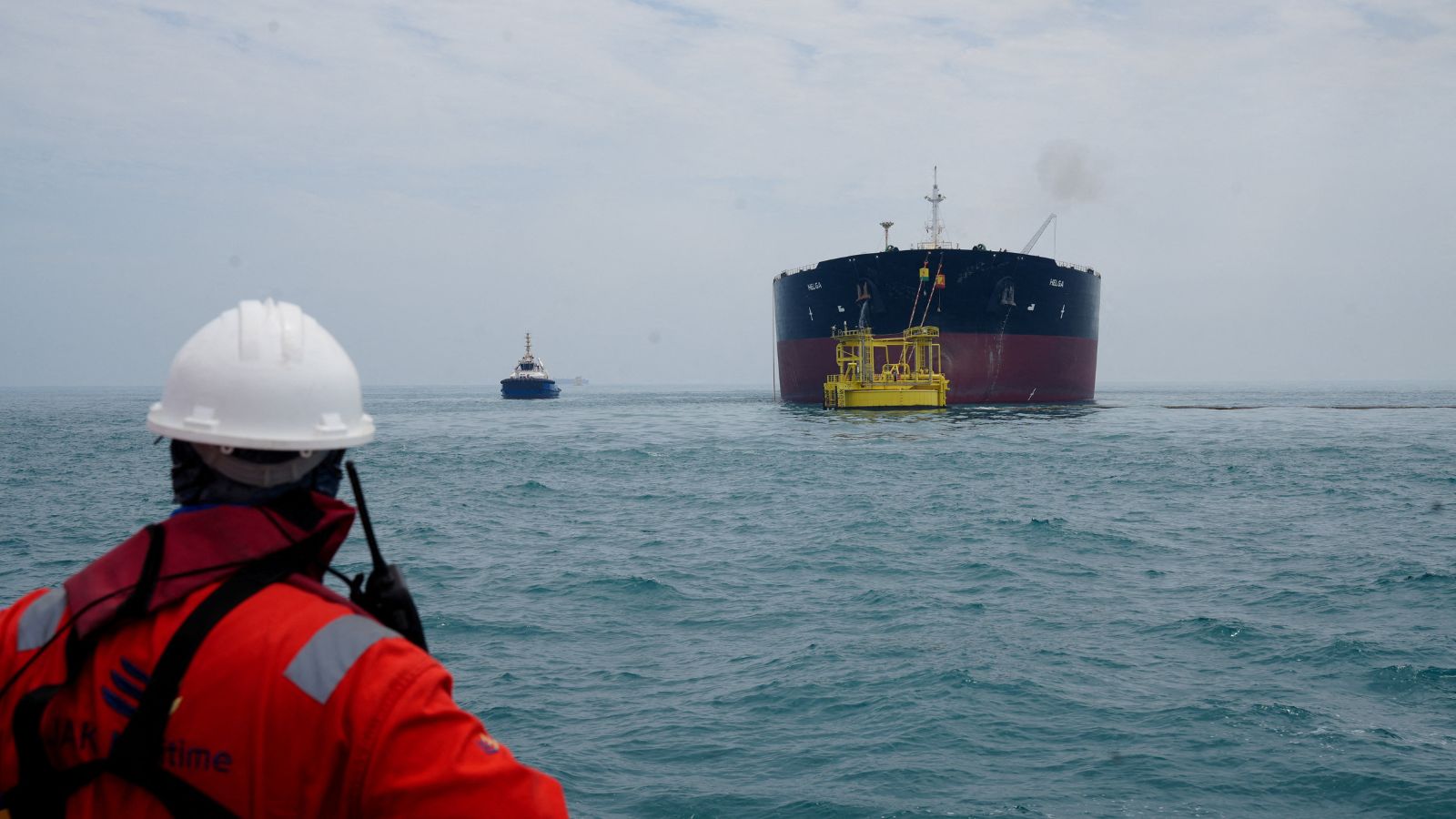
A recent U.S. Senate bill proposes up to 100 % tariffs on the top five buyers of Russian oil and gas—China, India, Slovakia, Hungary and Azerbaijan. Russian energy imports constitute a sizable share of India’s fuel basket. In response, Indian public‑sector enterprises have signed a deal to source 10 % of LPG requirements from the United States, aiming to mitigate energy‑security risks.
Strategic Path Forward: A Careful Balance
Recent agreements with the United Kingdom, Australia and the European Union have positioned India as a key node in global supply chains. A well‑structured U.S. pact could amplify these gains, but Washington’s pressure to extract concessions will persist. Delhi must therefore chart a course that expands market access while safeguarding national interests, all the while staying alert to the White House’s volatile policy environment.