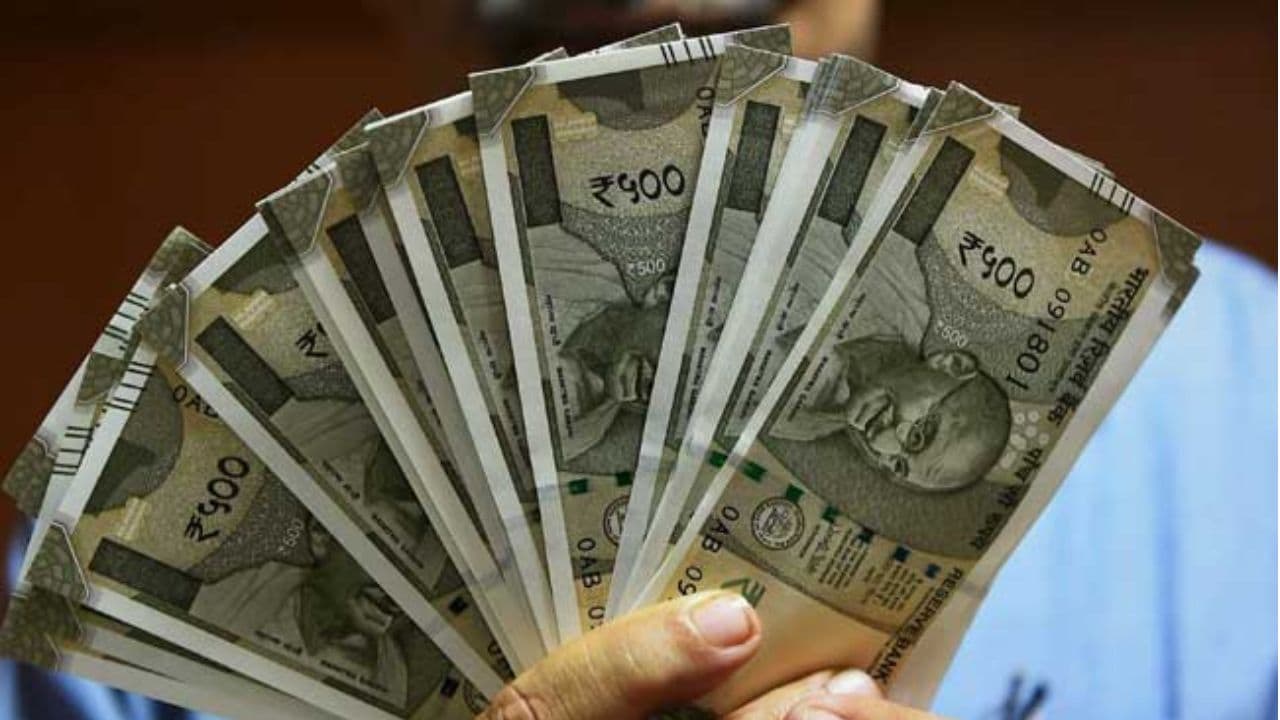
The 8th Pay Commission is set to impact 50 lakh employees and 65 lakh pensioners. Dive into the intricacies of the proposed Pay Scale Merger.
Key Takeaways
- The 8th Pay Commission will impact approximately 11.5 million central employees and pensioners.
- Employee unions are strongly advocating for a 'Pay Scale Merger.'
- The NC-JCM has urged the government to simplify promotion-related policies.
The anticipation surrounding the 8th Pay Commission (8th CPC) has reached a fever pitch. This upcoming commission is poised to deliver recommendations that will fundamentally reshape the financial landscape for nearly 50 lakh central government employees and approximately 65 lakh pensioners.
At the heart of the current discourse is the concept of 'Pay Scale Merger.' Employee unions are pushing for a restructuring that merges various grade pays and salary scales into a more streamlined and unified framework. The primary objective of this demand is to eliminate discrepancies in salary increments and ensure a more equitable progression through various administrative ranks.
Why This Matters
BozokMedia analysis shows that the implementation of the 8th Pay Commission is much more than a simple salary hike; it is a significant macroeconomic event. A successful merger of pay scales could boost the purchasing power of millions, thereby stimulating domestic consumption and driving economic growth.
However, the challenge lies in the fiscal implications. A substantial increase in salaries and pensions places an immense burden on the national exchequer. The government must navigate a delicate path between addressing the legitimate grievances of its workforce and maintaining strict fiscal discipline to manage the national deficit.
The structure of a Pay Commission is not merely about monetary adjustments; it is about redefining the dignity of public service and administrative efficiency.
Historical Background
The tradition of Central Pay Commissions in India is a cornerstone of public administration. Established periodically—typically every decade—these commissions are tasked with revising pay structures, allowances, and pensions to reflect the current cost of living. While the 7th Pay Commission brought significant changes, the current inflationary environment has led employees to demand more radical structural reforms through the 8th CPC.
| Feature | Current Status (7th CPC) | Proposed Demand (8th CPC) |
|---|---|---|
| Pay Structure | Complex Grade-Pay system | Unified Pay Scale Merger |
| Promotion Policy | Complex and time-consuming | Simplified and transparent |
| Affected Population | Approx. 1.15 Crore | Anticipated structural overhaul |
Frequently Asked Questions (अक्सर पूछे जाने वाले प्रश्न)
Question 1: What is the benefit of a Pay Scale Merger?
Answer: It aims to reduce pay disparities and create a more transparent and equitable salary progression across different cadres.
Question 2: Who will be the primary beneficiaries of the 8th CPC?
Answer: The primary beneficiaries are the 50 lakh serving central employees and 65 lakh pensioners.