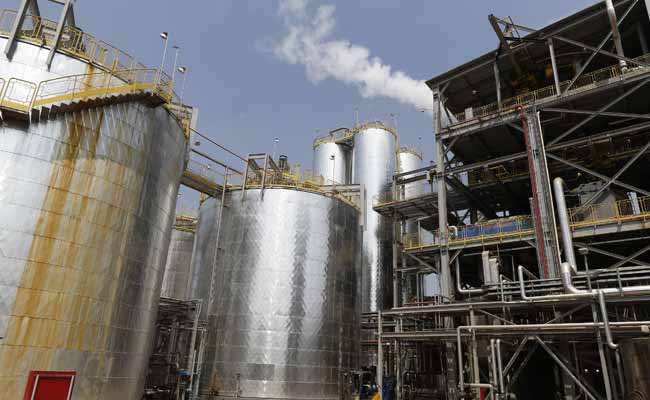
India hits its 20% ethanol blending target five years ahead of schedule, but the government maintains a cautious stance on further expansion.
New Delhi: In a significant update provided to the Rajya Sabha, the Union Minister announced that the government has not yet reached a decision regarding increasing ethanol blending targets beyond the current 20 percent threshold. This statement comes as India celebrates a massive milestone in its journey toward energy self-reliance.
The transition has been remarkable. According to official data, India's average ethanol blending level stood at a mere 1.53 percent in the 2013-14 fiscal year. Through a phased rollout spanning over two decades, the country has successfully scaled this up to 20 percent for the 2025-26 supply year. This achievement is notably five years ahead of the original schedule set by the government. To support this massive scale-up, state-run Oil Marketing Companies (OMCs) have procured a staggering 705.43 crore litres of ethanol.
Why This Matters (इसके मायने क्या हैं)
BozokMedia analysis shows that reaching the 20% blending mark is a double-edged sword for the Indian economy. On one hand, it drastically reduces the national dependency on expensive crude oil imports, helping to stabilize the current account deficit and protect the rupee. On the other hand, it provides a critical lifeline to the agricultural sector, turning surplus sugarcane and food grains into valuable fuel commodities.
However, the decision to pause at 20% suggests a strategic hesitation. Moving beyond 20% requires significant technological adjustments in vehicle engines and a massive expansion in feedstock production. If the government does not signal a clear roadmap for 25% or 30% blending, it might dampen the enthusiasm of private players and farmers who are looking for long-term certainty in the biofuels market.
The success of the 20% target demonstrates India's capability, but the next phase will depend on balancing fuel efficiency with agricultural sustainability.
Historical Background
The roadmap for ethanol blending in India has been a cornerstone of its biofuel policy for years. Initially, the focus was on reducing carbon emissions and providing an alternative to fossil fuels. Over the last decade, the government incentivized distilleries and encouraged farmers to diversify crops. This strategic shift has transformed India from a minor player in biofuels to a global leader in ethanol-blended petrol, fundamentally altering the energy landscape of the country.
| Metric | 2013-14 Status | 2025-26 Outlook |
|---|---|---|
| Average Blending % | 1.53% | 20% |
| Timeline Achievement | Baseline Year | 5 Years Ahead of Schedule |
| Procurement Scale | Minimal | 705.43 Crore Litres |
Frequently Asked Questions (अक्सर पूछे जाने वाले प्रश्न)
Question 1: Why did India achieve the target early?
Answer: A combination of aggressive policy implementation, increased distillery capacity, and massive procurement by state oil companies drove this early success.
Question 2: Will petrol prices decrease due to ethanol blending?
Answer: While ethanol is cheaper than pure gasoline, the impact on retail prices depends on global crude oil volatility and government taxation policies.

