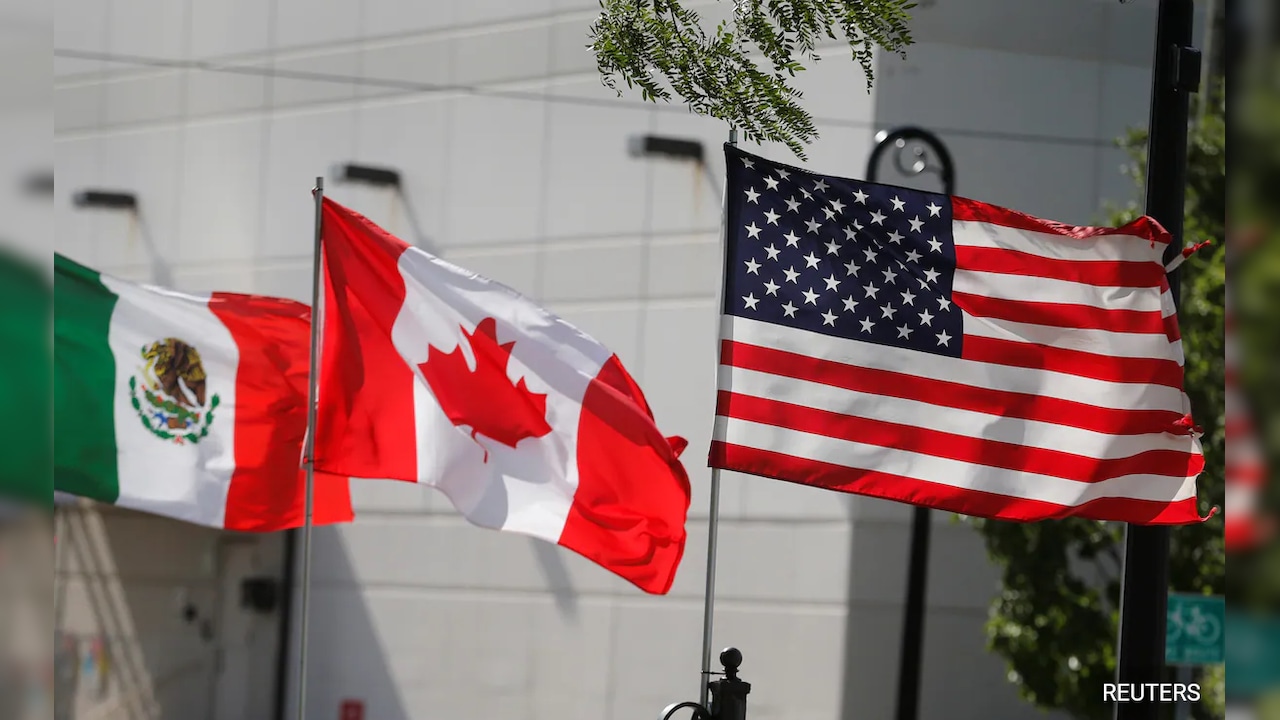
Following Donald Trump's aggressive announcement of a proposed 50 percent tariff on Canadian goods, Canada's special economic advisor Mark Carney has signaled readiness to intensify bilateral trade discussions. The move highlights escalating economic tensions between the North American neighbors as Canada seeks to protect its export-driven economy.
Key Takeaways
- Canada's Mark Carney expresses readiness to accelerate trade discussions with the US.
- Donald Trump has threatened a massive 50% tariff on various Canadian imports.
- Supply chain integration makes a trade war highly disruptive for both nations.
In a swift response to US President-elect Donald Trump's looming protectionist threats, Canada has declared its readiness to "intensify" trade negotiations. Mark Carney, a key economic advisor to Prime Minister Justin Trudeau and former Governor of the Bank of England and Canada, stated that Ottawa has already put forward constructive proposals to resolve ongoing disputes. This development comes as Washington prepares for a dramatic shift in its trade policies, threatening to levy a staggering 50 percent tariff on a wide array of Canadian products.
Historical Background
The trade relationship between the United States and Canada is one of the largest and most deeply integrated in the world, historically governed by the North American Free Trade Agreement (NAFTA) and its successor, the United States-Mexico-Canada Agreement (USMCA). Signed in 2018 during Trump's first term, the USMCA aimed to modernize trade but left several areas open to friction, including dairy, automotive parts, and softwood lumber. Trump’s latest tariff threats mark a return to the aggressive bilateral negotiation tactics that characterized his previous administration, potentially destabilizing cross-border supply chains that have been built over decades.
| Trade Aspect | Existing USMCA Rules | Trump's Proposed Tariffs |
|---|---|---|
| Tariff Rates | Zero-tariff access for most goods | Up to 50% duties on key Canadian imports |
| Supply Chain | Highly integrated, seamless border flow | Disrupted logistics and higher manufacturing costs |
| Dispute Resolution | Bilateral panels and institutional arbitration | Unilateral executive actions and pressure tactics |
Why This Matters
The escalation of trade tensions between the US and Canada could have severe ramifications for everyday consumers on both sides of the border. Canada is the primary source of energy, automotive parts, and agricultural products for many US states. A 50 percent tariff would inevitably lead to skyrocketing prices for American consumers, fueling inflation just as central banks are attempting to stabilize interest rates.
BozokMedia analysis shows that Canada's willingness to immediately return to the negotiating table is a strategic move to prevent a full-scale economic shock. By positioning itself as a cooperative partner ready to address American grievances, Ottawa hopes to carve out exemptions or modify the tariff structures before they are officially implemented, preserving its vital export market.
"A 50% tariff on Canadian goods is not just a tax on Canada; it is an economic self-harm mechanism for the US manufacturing sector, which relies heavily on integrated cross-border supply chains."
Frequently Asked Questions
1. Why is Donald Trump proposing a 50% tariff on Canadian goods?
Trump's proposed tariffs are aimed at addressing trade imbalances, protecting domestic US manufacturing, and forcing Canada to make concessions on border security, immigration, and specific trade sectors like agriculture.
2. How is Canada preparing to counter these tariffs?
Canada is utilizing high-profile economic figures like Mark Carney to lead diplomatic trade talks, offering compromise proposals on outstanding disputes while emphasizing the mutual economic damage a trade war would cause.

