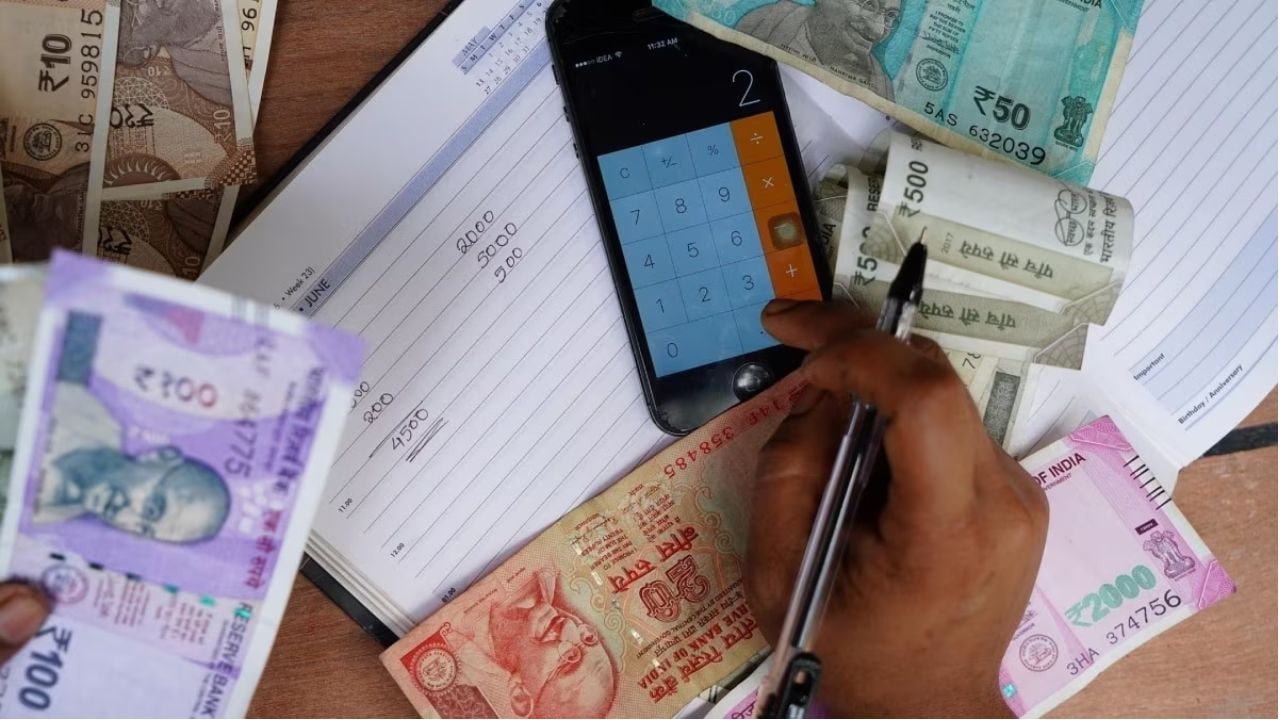
Taxpayers often log into the ITR portal in the last week of July, when mismatches in financial data surface. Early verification of AIS and Form 26AS can prevent penalties and delayed refunds.
Key Takeaways
- Filing ITR on time avoids hefty penalties.
- Review Annual Information Statement (AIS) and Form 26AS well before the deadline.
- Relying on deadline extensions can lead to financial loss.
Since the shift to a digital platform, filing an Income Tax Return (ITR) in India has become faster and more streamlined. Nevertheless, many taxpayers wait until the final week of July to log into the portal, a period when data mismatches often emerge. This last‑minute approach not only breaches the filing deadline but also delays the receipt of potential tax refunds.
The Annual Information Statement (AIS) and Form 26AS are the two cornerstone documents that provide a complete picture of a taxpayer’s income, deductions, and tax payments. Early scrutiny of these statements helps identify unexpected discrepancies—such as duplicate tax credits or missing exemptions—well before submission. When taxpayers depend solely on extensions, they frequently discover errors late, incurring additional penalties and interest.
Historical Background: India introduced electronic filing (e‑filing) in 2007, replacing paper returns with an online system. Initially, deadline extensions were granted only under exceptional circumstances like natural disasters. The COVID‑19 pandemic in 2020‑21 led to multiple nationwide extensions, reinforcing a misconception that extensions are routinely available. This belief continues to push many filers toward delayed submissions.
Why This Matters (इसके मायने क्या हैं)
BozokMedia analysis shows that late filing not only subjects individual taxpayers to penalties—typically 1% per month, up to 25%—but also imposes extra administrative costs on the government. On a macro level, delayed refunds constrain cash flow for consumers and small enterprises, affecting consumption and working‑capital dynamics.
Moreover, timely filing strengthens a culture of compliance, enhancing financial transparency and providing policymakers with accurate data. Reliance on extensions, especially among small‑scale taxpayers, amplifies financial risk and creates incentives for tax evasion.
"A few months of delay can cost taxpayers millions in penalties and interest; early AIS and Form 26AS checks are non‑negotiable," says chartered accountant Anita Sharma.
| Aspect | Early Filing | Extension Reliance |
|---|---|---|
| Penalty | Minimal or none | ~1% per month, up to 25% |
| Refund Processing | Fast (30‑45 days) | Delayed (90‑120 days) |
| Economic Impact | Cash flow stable | Cash flow disruption |
Frequently Asked Questions (अक्सर पूछे जाने वाले प्रश्न)
Q1: What happens if I miss even the extended deadline?
A: Under the Income Tax Act, a late filing penalty of 1% per month (capped at 25%) applies, along with interest on any tax due.
Q2: How can I verify my AIS and Form 26AS accurately?
A: Log into the Income Tax portal, select ‘View Form 26AS/Tax Credit Statement’, compare each transaction, and rectify any mismatches before filing.

