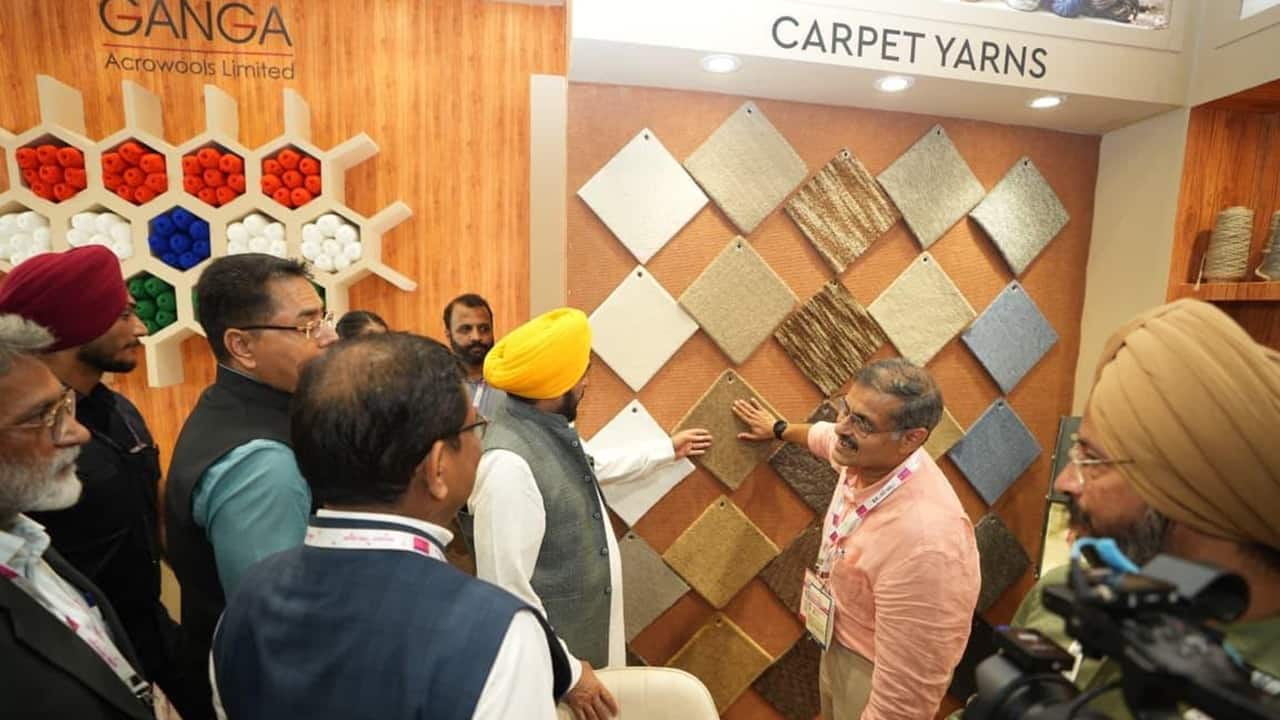
Chief Minister Bhagwant Singh Mann unveiled Punjab's new Industrial and Business Development Policy aimed at accelerating textile sector investment, employment, and exports. The policy promises time‑bound clearances via Single Window and Single Pen mechanisms.
Key Takeaways
- Punjab attracted ₹2 lakh crore of investment in the last four years
- New policy introduces Single Window, Single Pen and Red Card systems
- Complete textile value chain—from cotton to export—exists within the state
NEW DELHI – Punjab Chief Minister Bhagwant Singh Mann delivered a strong pitch at BharatTex 2026, positioning the state as India’s most promising destination for textile investment. He highlighted that Punjab offers an integrated ecosystem covering every step of the textile value chain, from cotton cultivation to global exports, making it a one‑stop hub for manufacturers.
Policy Background and Core Features
The state government has rolled out the Industrial and Business Development Policy (IBDP), designed to spur capital inflow, generate jobs, and boost exports. Central to the policy are the Single Window and Single Pen systems, which guarantee transparent, time‑bound approvals, eliminating bureaucratic delays that have traditionally deterred investors.
Impact on Investment and Employment
Over the past four years, Punjab has attracted roughly ₹2 lakh crore in investments and created about 5 lakh jobs. Mann stressed that treating entrepreneurs as partners—rather than revenue machines—has been pivotal. The Red Card mechanism now curtails unnecessary inspections, fostering a business‑friendly environment.
Government‑Industry Synergy
Emphasising collaboration, Mann said, “Punjab boasts the best entrepreneurial culture, skilled workforce, integrated value chain, and strategic location. I call on industry leaders, innovators, global brands, and technology firms to join us on this growth journey.” He underscored that the government’s role is to provide reasonable power tariffs, land facilitation, and a welcoming climate, positioning Punjab at the top of the Ease‑of‑Doing‑Business rankings.
Future Outlook
The state operates five power plants and draws on 7 million metric tonnes of coal from its dedicated Pachwara mine, ensuring competitive energy costs. Punjab also became the first Indian state to enact the Right to Business Act, further streamlining commercial operations. With these reforms, Punjab is poised to attract not only domestic investors but also multinational corporations seeking a reliable, cost‑effective textile hub.
In summary, Punjab’s strategic policy mix, robust infrastructure, and complete textile ecosystem collectively set the stage for the state to emerge as a global textile powerhouse.

