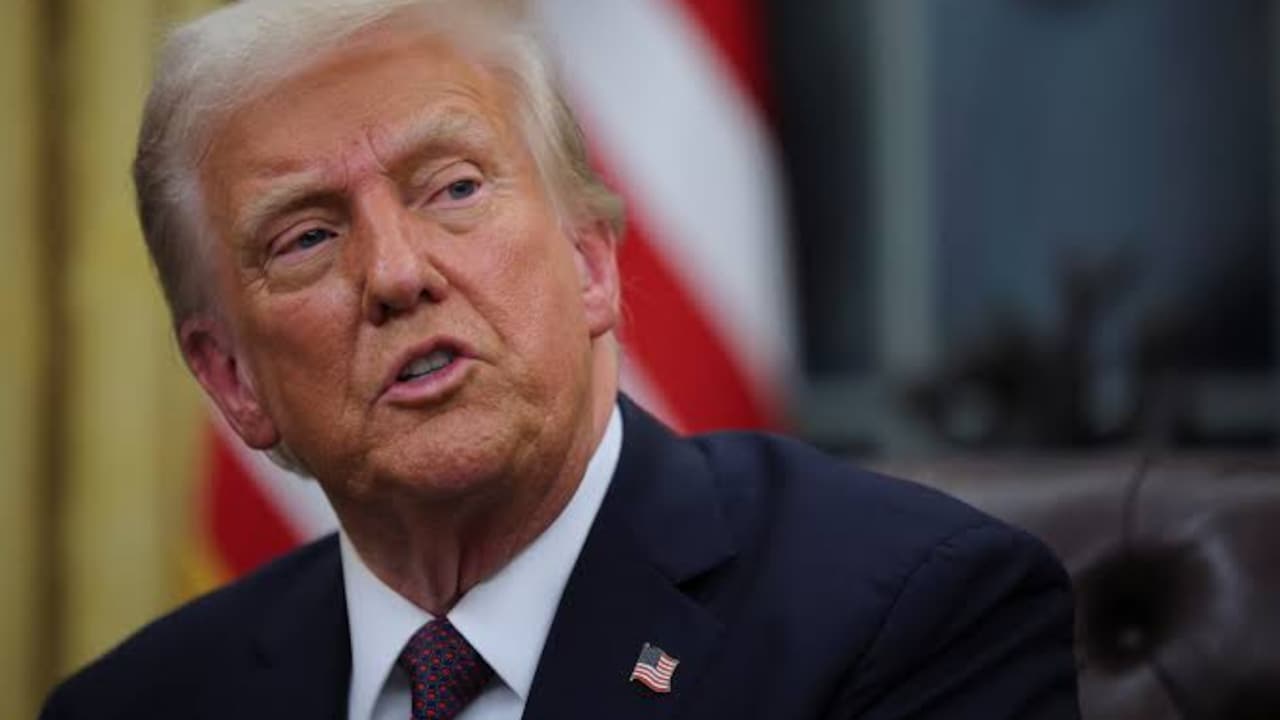
The United States has unveiled a new tariff framework for generic medicines, ranging from 0% to 200% duties. While the policy claims to protect American consumers, it threatens India's pharmaceutical export dominance.
Key Takeaways (मुख्य बिंदु)
- Trump proposes 0%‑200% tariffs on generic drugs
- India supplies roughly 40% of US generic volume
- Higher duties could erode Indian manufacturers' competitiveness
The United States announced a sweeping tariff proposal aimed at safeguarding American patients by imposing duties on imported generic medicines. The plan allows tariffs as low as 0% and as high as 200% on Indian‑origin generics, a range that could dramatically reshape market pricing.
Historical Background
India earned the nickname "pharmacy of the world" after liberalizing its pharmaceutical sector in the 1990s. Over the past two decades, it has become the primary source of low‑cost generics for the US, accounting for nearly 40% of the volume imported. This success rests on a robust regulatory framework, cost‑effective manufacturing, and extensive R&D capabilities.
Core Elements of the New Tariff Plan
The proposal is tiered into three distinct brackets:
- 0% tariff: Applied to generics that match US‑produced price points.
- 100% tariff: Targets medicines where cost differentials favor Indian producers, granting US firms a competitive edge.
- 200% tariff: Imposed on high‑margin generics, effectively doubling the import cost.
| Aspect | Current US Policy | Proposed Trump Tariff |
|---|---|---|
| Standard Duty Rate | Near‑zero or minimal | Variable 0%‑200% |
| Targeted Goods | All imported medicines | Specifically Indian generics |
| Objective | Maintain open market | Boost domestic production |
"If duties climb to 100% or beyond, Indian pharma firms will face a stark choice: relocate production or pass costs onto patients," says Dr. Anita Singh, senior pharmaceutical analyst.
Why This Matters (इसके मायने क्या हैं)
According to BozokMedia analysis, the tariff could not only curtail Indian export revenues but also raise drug prices for American consumers who rely on affordable generics. A surge in duties may force patients toward costlier brand‑name alternatives, affecting healthcare affordability.
From an economic standpoint, India's pharma sector generates roughly $30 billion annually, with about $12 billion flowing from the US market alone. Any tariff‑induced decline could jeopardize jobs, R&D investment, and broader export‑driven growth strategies.
Frequently Asked Questions (अक्सर पूछे जाने वाले प्रश्न)
Question 1: Will the tariff be implemented immediately?
Answer: The proposal is still at the draft stage; it requires congressional approval and public comment before any enforcement.
Question 2: How can Indian companies mitigate the impact?
Answer: Firms may diversify into alternative markets, streamline production costs, and lobby for regulatory concessions to offset tariff pressures.

