Tesla's Q2 profits fell by 12% following a massive 49% surge in R&D spending aimed at AI and autonomous robotaxi infrastructure.
Key Takeaways
- Tesla's Q2 profit dropped by 12% year-over-year.
- R&D spending saw a massive spike of 49%.
- Elon Musk is shifting focus toward AI and Robotaxi ecosystems.
- Revenue and vehicle sales outperformed Wall Street expectations.
Tesla has reported a complex financial quarter, where strong operational performance was overshadowed by aggressive strategic spending. The electric vehicle giant saw its second-quarter profit decline by 12%, a move primarily driven by a staggering 49% increase in Research and Development (R&D) costs. While vehicle sales and total revenue managed to beat Wall Street estimates, the heavy capital allocation toward future technologies has impacted the immediate bottom line.
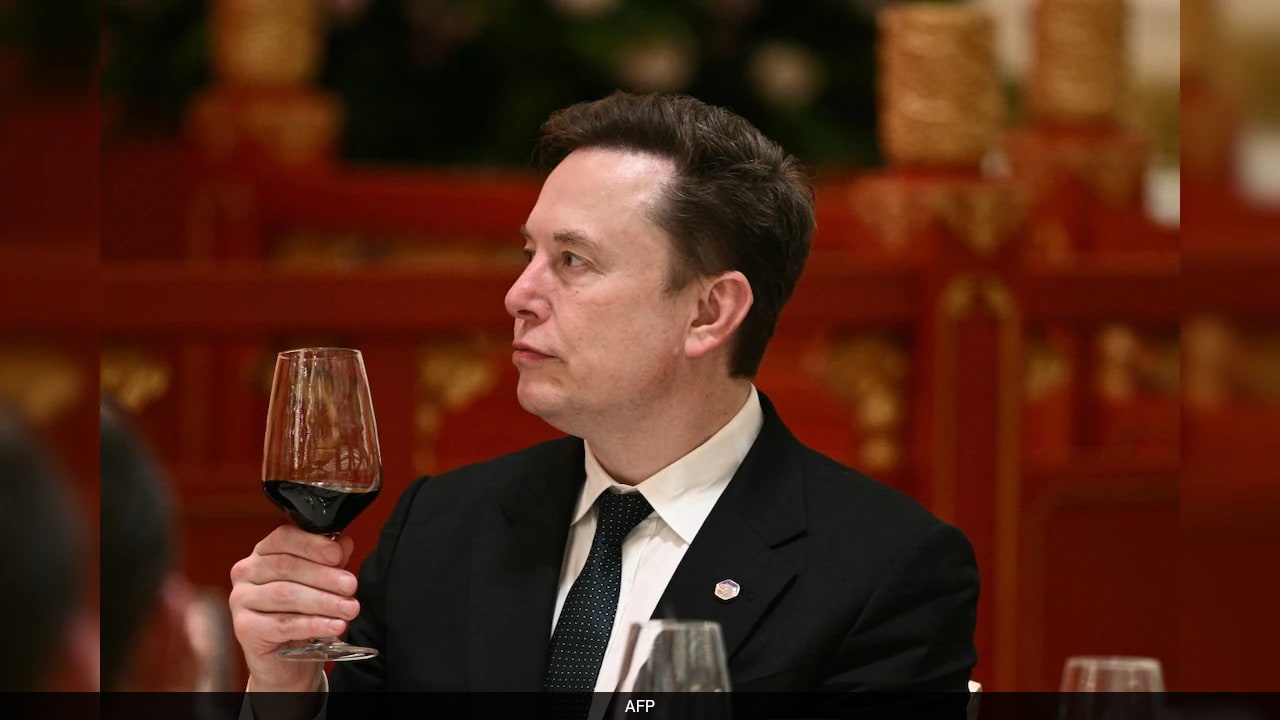
CEO Elon Musk remains undeterred by the short-term profit dip, asserting that the massive investment in Artificial Intelligence (AI) and Robotaxi infrastructure is essential for the company's evolution. Musk's vision is to transition Tesla from a traditional automaker into a dominant AI and robotics powerhouse, leveraging autonomous driving technology to create a new revenue stream through robotaxis.
Why This Matters (इसके मायने क्या हैं)
BozokMedia analysis shows that Tesla is undergoing a fundamental identity shift. By prioritizing AI over immediate profit margins, the company is attempting to leapfrog the entire automotive industry. If successful, Tesla will not just sell cars, but will own the autonomous mobility network of the future, commanding much higher valuations than traditional manufacturers.
For the broader economy and investors, this represents a high-stakes gamble on the future of mobility. A successful transition could spark a massive surge in tech-driven automotive stocks, while a failure could lead to significant volatility for Tesla and its ability to compete with low-cost EV manufacturers globally.
"Tesla is effectively trading current margins for future dominance in the autonomous era."
Historical Background
Since its inception, Tesla has consistently pushed the boundaries of what an automobile can be. From the early Roadster to the mass-market Model 3, the company has always integrated software more deeply than its competitors. The current pivot toward AI is the logical culmination of Tesla's long-standing goal to achieve Full Self-Driving (FSD) capabilities.
| Metric/Focus | Previous Era | Current/Future Strategy |
|---|---|---|
| Primary Driver | EV Hardware & Sales | AI & Autonomous Software |
| R&D Intensity | Moderate | Extremely High (+49%) |
| Business Model | Automobile Manufacturer | AI & Robotics Ecosystem |
Frequently Asked Questions (अक्सर पूछे जाने वाले प्रश्न)
1. Why did Tesla's profit decrease despite good sales?
Answer: The profit decrease was due to a 49% surge in R&D spending focused on AI and Robotaxis.
2. Is Tesla still a car company?
Answer: While currently a car manufacturer, Tesla is aggressively pivoting to become an AI and robotics company.